




Can I print on a rigid PVC sheet before vacuum forming?
Hey there! As a supplier of Rigid PVC Sheets for Vacuum forming, I get this question a lot. So, let's dig into whether you can print on a rigid PVC sheet before the vacuum - forming process.
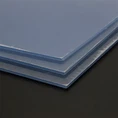
First off, let's understand what rigid PVC sheets are. They're tough, durable, and come in various types, like Vacuum Thermoforming Blister Packing PVC Rigid Transparent Plastic Sheet, White Opaque PVC Rigid Sheet, and High Transparent PVC Sheet For Folding Boxes. These sheets are super popular in industries for making all sorts of stuff, from packaging to display items.
Now, the big question: Can you print on them before vacuum forming? The short answer is yes, you can. But there are a few things you gotta keep in mind.
Printing Methods
There are different ways to print on rigid PVC sheets. Screen printing is a classic method. It's great because you can get really vibrant colors and thick ink layers. You can print all kinds of designs, from simple logos to complex patterns. The ink used in screen printing adheres well to the PVC surface, and it can withstand the heat and stretching during the vacuum - forming process to a certain extent.
Another option is digital printing. This method is more flexible, especially if you have small - batch orders or need quick turnaround times. Digital printers can reproduce high - resolution images accurately. However, the inks used in digital printing might be a bit more sensitive to the heat and stress of vacuum forming. You need to make sure the ink is formulated to handle these conditions.
Ink Compatibility
Not all inks are created equal when it comes to printing on PVC sheets before vacuum forming. You need to use inks that are specifically designed for PVC. These inks have good adhesion to the PVC surface, which is crucial. If the ink doesn't stick well, it'll start peeling off during the vacuum - forming process, and that's a huge headache.
Also, the inks need to be heat - resistant. Vacuum forming involves heating the PVC sheet to a certain temperature so it becomes pliable. If the ink can't handle the heat, it'll start to warp, fade, or even burn. So, always check with your ink supplier to make sure the ink you're using is suitable for both PVC and the vacuum - forming process.


Surface Preparation
Before you start printing, the surface of the PVC sheet needs to be clean and free of any contaminants. Even a tiny bit of dust or grease can affect the ink adhesion. You can clean the sheets with a mild detergent and then dry them thoroughly. Some printers also use a primer on the PVC surface to improve ink adhesion. This can be especially useful if you're using a type of ink that's a bit finicky.
Design Considerations
When you're designing your print for a PVC sheet that's going to be vacuum - formed, you need to think about how the design will change during the forming process. The sheet will stretch and deform, so your design might end up looking different than you expect. For example, if you have a detailed pattern with small elements, they might get distorted or stretched out.
It's a good idea to do some test prints and vacuum - form them to see how the design holds up. You can then adjust your design accordingly. You might need to make some elements larger or space them out more to account for the stretching.
Advantages of Printing Before Vacuum Forming
There are some real perks to printing on a rigid PVC sheet before vacuum forming. One big advantage is that it's generally easier to print on a flat surface. You don't have to worry about getting the ink onto a curved or irregularly shaped object. This can lead to more precise and consistent prints.
Another benefit is cost - efficiency. Printing on a flat sheet is often faster and requires less specialized equipment compared to printing on a formed object. So, if you're doing a large - scale production, it can save you both time and money.
Potential Challenges
Of course, there are also some challenges. As I mentioned earlier, the ink might not hold up well during the vacuum - forming process. You could end up with issues like ink cracking, peeling, or fading. And if you make a mistake in your print design, it can be difficult and costly to fix once the sheet has been formed.
Also, the vacuum - forming process can sometimes leave marks or blemishes on the printed surface. This is more likely if the forming temperature or pressure isn't set correctly. So, you need to have good control over the vacuum - forming parameters to minimize these issues.
Tips for Success
If you're going to print on a rigid PVC sheet before vacuum forming, here are some tips to help you out. First, do plenty of testing. Print a small batch of sheets and vacuum - form them to see how the print turns out. This will give you a chance to make any necessary adjustments to your printing process, ink, or design.
Second, work closely with your ink supplier and vacuum - forming equipment manufacturer. They can provide you with valuable advice and support. They might have some tricks up their sleeves that can help you get the best results.
Finally, keep good records of your printing and vacuum - forming processes. This will help you troubleshoot any issues that come up and make improvements over time.
In conclusion, printing on a rigid PVC sheet before vacuum forming is definitely doable, but it requires careful planning and attention to detail. If you get it right, you can create some really cool and high - quality products.
If you're interested in purchasing our Rigid PVC Sheets for Vacuum forming or have any questions about the printing and forming process, feel free to reach out. We're here to help you bring your ideas to life!
References
- Industry knowledge and experience from working with rigid PVC sheets for vacuum forming.
- Discussions with ink suppliers and vacuum - forming equipment manufacturers.