


What is the electrical insulation property of rigid PVC sheets for printing?
As a reliable supplier of Rigid PVC Sheets for Printing, I am often asked about the electrical insulation properties of these sheets. In this blog, I'll delve into the key aspects of the electrical insulation of rigid PVC sheets, which are crucial for many printing - related applications.
Understanding Rigid PVC Sheets for Printing
Rigid PVC sheets are well - known in the printing industry for their durability, smooth surface, and excellent printability. They are used in a wide range of applications, from advertising boards to indoor signage. But beyond their visual and mechanical properties, their electrical characteristics also play an important role, especially in environments where electrical safety is a concern.
Electrical Insulation Basics
Electrical insulation refers to the ability of a material to resist the flow of electric current. A good electrical insulator has high resistivity, which means it does not allow electrons to move freely through it. When it comes to rigid PVC sheets for printing, their electrical insulation property is determined by several factors.
One of the primary factors is the chemical composition of PVC (polyvinyl chloride). PVC is a polymer that has a relatively stable molecular structure. The long - chain polymer molecules in PVC have a strong bond, which restricts the movement of electrons. This results in a high resistance to the flow of electric current, making PVC a natural electrical insulator.
Measuring the Electrical Insulation of Rigid PVC Sheets
The electrical insulation of rigid PVC sheets is typically measured using parameters such as volume resistivity and surface resistivity. Volume resistivity is a measure of the resistance to current flow through the bulk of the material, while surface resistivity measures the resistance to current flow along the surface of the sheet.
For rigid PVC sheets used in printing, the volume resistivity is usually in the range of 10¹² - 10¹⁵ ohm - cm. This high volume resistivity indicates that very little current can pass through the sheet, making it an effective insulator. Surface resistivity, on the other hand, can vary depending on factors such as surface cleanliness and humidity. Under normal conditions, the surface resistivity of rigid PVC sheets is also quite high, typically in the order of 10¹² - 10¹⁴ ohm/square.
Factors Affecting Electrical Insulation
Although rigid PVC sheets have good inherent electrical insulation properties, several external factors can affect their performance.
Temperature: As the temperature increases, the electrical resistance of PVC sheets decreases. This is because higher temperatures provide more energy to the molecules in the PVC, allowing electrons to move more freely. In extreme cases, high temperatures can cause the PVC to degrade, further reducing its insulation properties. For printing applications, it is important to consider the operating temperature range to ensure that the electrical insulation of the PVC sheets remains within acceptable limits.
Humidity: Moisture can have a significant impact on the electrical insulation of PVC sheets. Water is a conductor of electricity, and when the surface of the PVC sheet is exposed to high humidity, a thin layer of water can form on it. This can reduce the surface resistivity of the sheet, allowing more current to flow along the surface. To mitigate this effect, proper storage and handling of the PVC sheets are essential, especially in humid environments.
Chemical Exposure: Exposure to certain chemicals can also affect the electrical insulation of rigid PVC sheets. Some solvents or chemicals can react with the PVC, altering its molecular structure and reducing its resistance to current flow. For example, strong acids or alkalis can cause degradation of the PVC, leading to a decrease in its electrical insulation properties.

Applications Benefiting from Electrical Insulation
The electrical insulation property of rigid PVC sheets for printing is beneficial in many applications.
Indoor Signage: In indoor environments, where there are often electrical wiring and equipment, using rigid PVC sheets for signage provides an added layer of electrical safety. Since these sheets do not conduct electricity easily, they reduce the risk of electrical shocks in case of accidental contact with electrical components.
Electrical Equipment Enclosures: Rigid PVC sheets can be used to create enclosures for electrical equipment. Their electrical insulation properties prevent the flow of current from the equipment to the outside, protecting users from potential electrical hazards. Additionally, the printability of these sheets allows for clear labeling and instructions on the enclosures.
Our Product Range
As a supplier, we offer a variety of rigid PVC sheets for printing, each with excellent electrical insulation properties. For instance, our 1mm Thick Transparent PVC Sheet is not only ideal for printing high - quality graphics but also provides reliable electrical insulation. It is suitable for applications where transparency is required, such as display cases and point - of - sale signage.
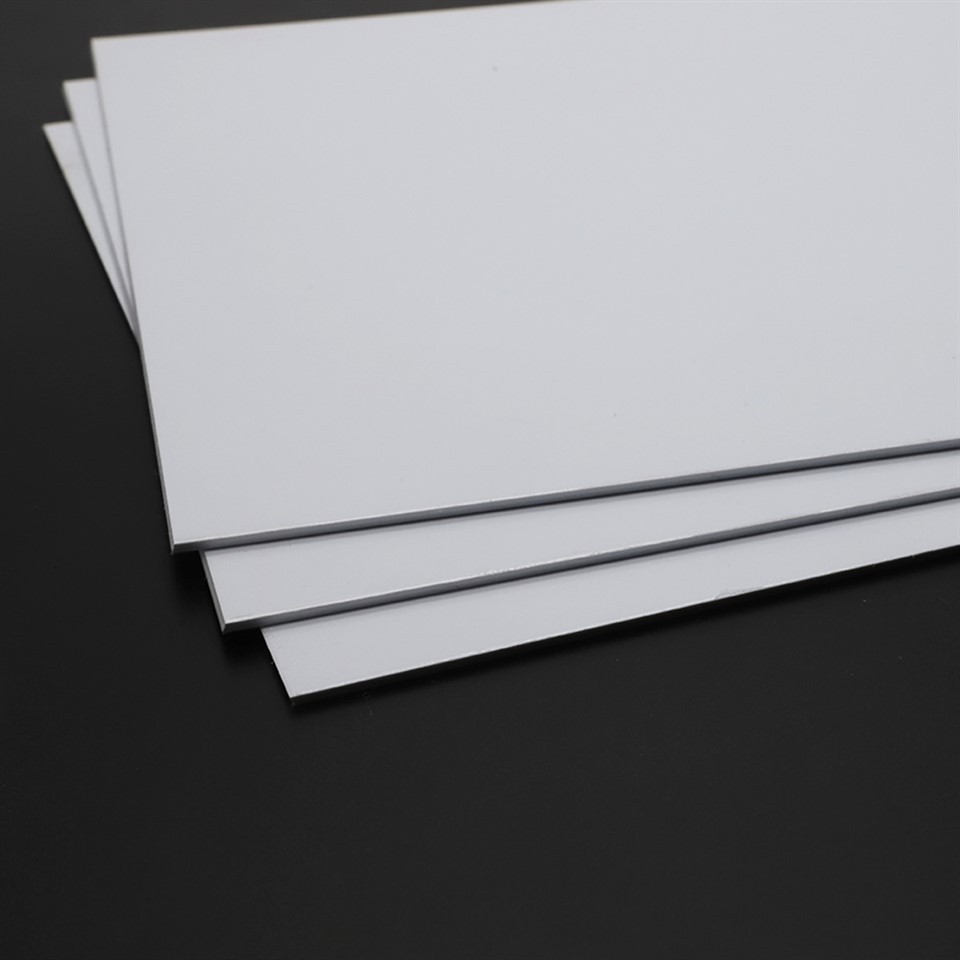
Our White PVC Sheet For Advertising Board is another popular product. The white surface provides a great base for printing vivid and sharp images, and its electrical insulation properties make it a safe choice for outdoor and indoor advertising boards.
If you need a thicker option, our White Thick Pvc Sheet is a great solution. It offers enhanced durability and excellent electrical insulation, making it suitable for heavy - duty applications.
Conclusion
The electrical insulation property of rigid PVC sheets for printing is an important characteristic that adds value to these products. With high volume and surface resistivity, they are effective insulators that can enhance electrical safety in various applications. However, it is important to consider factors such as temperature, humidity, and chemical exposure to ensure optimal performance.
If you are interested in our range of rigid PVC sheets for printing and would like to discuss your specific requirements, please feel free to contact us. We are more than happy to provide you with detailed product information and assist you in finding the best solution for your printing needs.
References
- ASTM D257 - 14 Standard Test Methods for DC Resistance or Conductance of Insulating Materials.
- "Polyvinyl Chloride (PVC) - Properties and Applications" by John V. Lyons.
- Technical literature from PVC resin manufacturers.