




When it comes to selecting the right plastic sheet for various applications, two popular choices often stand out: Transparent Rigid PETG Sheet and polycarbonate sheet. As a supplier of Transparent Rigid PETG Sheet, I have had the opportunity to work closely with these materials and understand their unique characteristics. In this blog post, I will delve into the differences between these two materials, exploring their properties, advantages, and suitable applications.
Material Composition and Structure
PETG, or polyethylene terephthalate glycol - modified, is a thermoplastic polyester. It is formed by modifying polyethylene terephthalate (PET) with glycol. This modification gives PETG better impact resistance and thermo - formability compared to regular PET. The molecular structure of PETG allows it to maintain transparency while being more flexible in processing.
On the other hand, polycarbonate is a group of thermoplastic polymers containing carbonate groups in their chemical structures. Polycarbonate is known for its high - performance properties, which are derived from its strong and complex molecular bonds. It has a linear structure with repeating carbonate units, which contributes to its excellent mechanical and optical properties.
Optical Properties
One of the most important aspects when choosing a transparent plastic sheet is its optical clarity. Transparent Rigid PETG Sheet offers excellent optical clarity, with a high light transmission rate, often above 90%. It provides a clear and distortion - free view, making it ideal for applications where visual presentation is crucial. Moreover, PETG has good resistance to yellowing over time, ensuring long - term clarity.
Polycarbonate also has outstanding optical clarity, with light transmission rates similar to PETG. However, polycarbonate is more prone to scratching. Even minor abrasions can affect its optical quality, which might be a concern in applications where the surface needs to remain pristine.

Mechanical Properties
In terms of impact resistance, polycarbonate is a clear winner. It is one of the strongest engineering plastics available, with an impact strength that is significantly higher than that of PETG. Polycarbonate can withstand high - energy impacts without cracking or shattering, making it suitable for applications where safety and durability are paramount, such as bullet - resistant windows, safety shields, and protective equipment.
PETG, while having decent impact resistance, is not as strong as polycarbonate. However, PETG has better tensile strength and stiffness compared to some other plastics. It can be easily formed and fabricated, and it retains its shape well after processing. PETG is also more resistant to stress cracking than some other thermoplastics, which makes it a reliable choice for various forming processes.
Chemical Resistance
PETG has good chemical resistance to a wide range of substances, including many common solvents, acids, and alkalis. This makes it suitable for applications where it may come into contact with different chemicals, such as in laboratory equipment or chemical storage containers. However, it is not completely immune to all chemicals, and prolonged exposure to certain aggressive solvents can cause swelling or degradation.
Polycarbonate has a more limited chemical resistance. It is sensitive to many organic solvents, which can cause stress cracking or even dissolve the material. Therefore, in applications where chemical exposure is a concern, careful consideration must be given to the type of chemicals involved when choosing between PETG and polycarbonate.
Thermo - formability
Transparent Rigid PETG Sheet is highly thermo - formable. It has a relatively low forming temperature, which allows for easy processing using common thermo - forming techniques such as vacuum forming, pressure forming, and bending. PETG can be formed into complex shapes with high precision, making it a popular choice for applications such as Rigid PETG Sheet for Vacuum forming. It also has good memory, which means it can hold its formed shape well.
Polycarbonate has a higher forming temperature compared to PETG. While it can also be thermo - formed, the process requires more energy and precise temperature control. Additionally, polycarbonate is more likely to shrink during the cooling process, which can make it more challenging to achieve accurate and consistent shapes.
Fabrication and Machining
PETG is easy to fabricate and machine. It can be cut, drilled, routed, and glued using standard tools and techniques. It has good adhesion properties, which makes it easy to bond with other materials or components. This ease of fabrication makes PETG a cost - effective option for small - scale and large - scale manufacturing processes.
Polycarbonate is more difficult to machine compared to PETG. Due to its high strength and toughness, it requires more powerful cutting tools and precise machining parameters. Machining polycarbonate can also generate a lot of heat, which may cause melting or warping if not properly managed.
Cost
Cost is often a deciding factor in material selection. Transparent Rigid PETG Sheet is generally more cost - effective than polycarbonate. The raw materials for PETG are less expensive, and its easier processing requirements also contribute to lower manufacturing costs. This makes PETG a popular choice for budget - conscious projects where high - end performance is not strictly necessary.
Polycarbonate, on the other hand, is a high - performance material, and its cost reflects its superior properties. The more complex manufacturing processes and the high - quality raw materials used in polycarbonate production result in a higher price point.
Applications
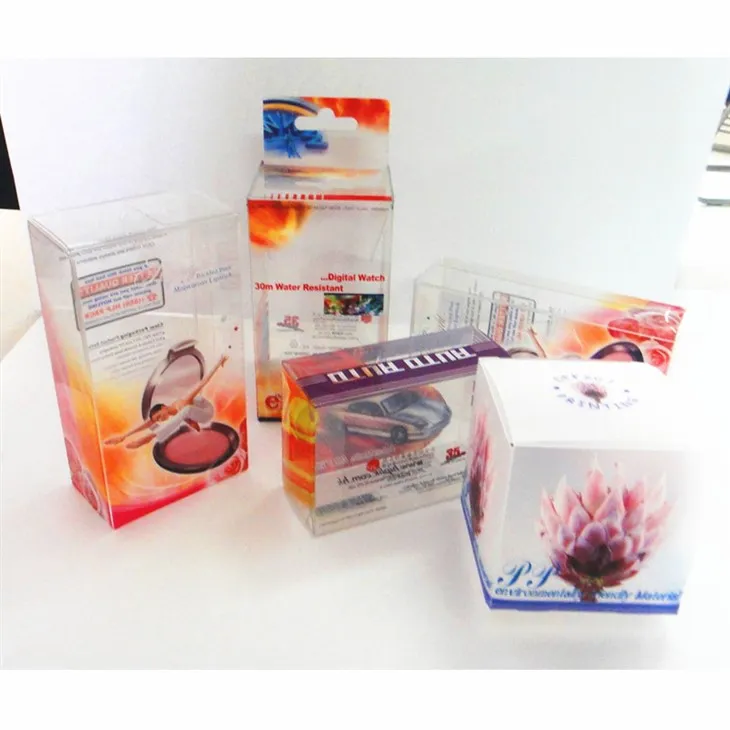
The unique properties of Transparent Rigid PETG Sheet make it suitable for a wide range of applications. For instance, it is commonly used in the packaging industry, especially for Rigid PETG Sheet for Folding Box. Its excellent formability and clarity make it ideal for creating attractive and functional packaging. PETG is also used in the printing industry, as Rigid PETG Plastic Sheet for Printing, because it can accept various printing methods and maintain high - quality prints.
Polycarbonate is widely used in applications where high impact resistance and safety are required. It is commonly found in automotive components, such as headlamp lenses and interior panels. Polycarbonate is also used in the construction industry for skylights, safety glazing, and partitions.
Conclusion
In summary, both Transparent Rigid PETG Sheet and polycarbonate sheet have their own unique advantages and disadvantages. PETG is a cost - effective option with good optical clarity, decent mechanical properties, and excellent thermo - formability. It is suitable for a wide range of applications, especially those where cost and ease of processing are important.
Polycarbonate, on the other hand, offers superior impact resistance and high - performance properties, but it comes at a higher cost and is more difficult to process. It is the preferred choice for applications where safety and durability under extreme conditions are crucial.
As a supplier of Transparent Rigid PETG Sheet, I understand the importance of choosing the right material for your specific needs. If you are interested in learning more about our Transparent Rigid PETG Sheet products or have any questions regarding material selection, please feel free to contact us for further discussion and procurement negotiation.
References
- "Plastics Technology Handbook" by Donald V. Rosato, David V. Rosato, and Dominick V. Rosato
- "Engineering Plastics: Properties and Applications" by Charles A. Harper