


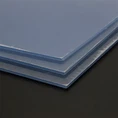


What is the Bending Strength of PVC Sheets?
As a dedicated PVC sheet supplier, I often get asked about the bending strength of PVC sheets. Understanding this property is crucial for anyone involved in projects that require PVC materials, whether it's for construction, signage, or packaging. In this blog post, I'll delve into the concept of bending strength, how it applies to PVC sheets, and factors that can influence it.
Understanding Bending Strength
Bending strength, also known as flexural strength, is a measure of a material's ability to resist deformation under bending forces. When a PVC sheet is subjected to a load that causes it to bend, the bending strength determines how much stress the sheet can withstand before it starts to crack or break. This property is essential because many applications of PVC sheets involve some degree of bending or flexing.
To put it simply, a higher bending strength means the PVC sheet can endure more bending without failing. For example, if you're using a PVC sheet to create a curved display stand, a sheet with high bending strength will be less likely to crack or break during the bending process or when in use.
Measuring Bending Strength
The bending strength of PVC sheets is typically measured using a three - point or four - point bending test. In a three - point bending test, the PVC sheet is placed on two supports, and a load is applied at the center of the sheet between the supports. The test continues until the sheet breaks or reaches a specified level of deformation. The maximum stress the sheet can withstand during this test is recorded as its bending strength.


The results of these tests are usually expressed in units of pressure, such as megapascals (MPa). Different grades and thicknesses of PVC sheets will have different bending strength values. Generally, thicker PVC sheets tend to have higher bending strength than thinner ones because they can distribute the bending forces over a larger cross - sectional area.
Factors Affecting the Bending Strength of PVC Sheets
1. PVC Resin Type
The type of PVC resin used in the manufacturing of the sheets plays a significant role in determining their bending strength. There are different grades of PVC resins, each with its own set of properties. For example, high - molecular - weight PVC resins tend to produce sheets with better mechanical properties, including higher bending strength. These resins have longer polymer chains, which can better resist the forces applied during bending.
2. Additives
Additives are often added to PVC during the manufacturing process to enhance certain properties. Plasticizers, for instance, are commonly used to make PVC sheets more flexible. However, an excessive amount of plasticizers can reduce the bending strength of the sheets. On the other hand, stabilizers can improve the heat and weather resistance of PVC sheets, which indirectly affects their long - term bending strength. Fillers can also be added to increase the stiffness and bending strength of PVC sheets, but if not properly dispersed, they can cause weak points in the material.
3. Manufacturing Process
The way PVC sheets are manufactured can also impact their bending strength. Extrusion is a common method for producing PVC sheets. The temperature, pressure, and speed during the extrusion process need to be carefully controlled. If the extrusion conditions are not optimal, the internal structure of the PVC sheet may be uneven, leading to reduced bending strength. Additionally, post - processing treatments such as annealing can improve the internal stress distribution in the sheet and enhance its bending strength.
4. Environmental Conditions
The environmental conditions in which the PVC sheets are used can affect their bending strength. High temperatures can cause PVC to become softer and more flexible, reducing its bending strength. Exposure to UV radiation over a long period can also degrade the PVC material, leading to a decrease in bending strength. Moisture can also have an impact, especially if the PVC sheet is not properly protected.
Bending Strength in Different Types of PVC Sheets
At our company, we offer a variety of PVC sheets, each with its own unique bending strength characteristics.
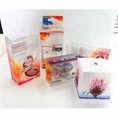
- High Transparent PVC Sheet For Folding Boxes: These sheets are designed for folding box applications, which require a certain level of flexibility and bending strength. They are made from high - quality PVC resin and are formulated to withstand the repeated bending and folding involved in the box - making process. The transparency of these sheets also makes them suitable for applications where visual appeal is important.
- White Opaque PVC Rigid Sheet: These rigid sheets have a relatively high bending strength, making them ideal for applications such as signage, display boards, and partitions. The white opaque finish provides a clean and professional look, and the high bending strength ensures that the sheets can maintain their shape and integrity even when subjected to some degree of stress.
- Rigid Clear PVC Sheet: These sheets combine the clarity of transparent PVC with the rigidity required for many applications. They have good bending strength, which makes them suitable for uses like protective barriers, machine guards, and architectural glazing.
Applications Based on Bending Strength
The bending strength of PVC sheets determines their suitability for different applications.
- Packaging: For packaging applications, such as blister packs and folding boxes, PVC sheets with moderate bending strength are preferred. They need to be flexible enough to be formed into the desired shape but strong enough to protect the contents inside.
- Construction and Architecture: In construction, PVC sheets are used for partitions, roofing, and cladding. High - bending - strength PVC sheets are required in these applications to withstand the structural loads and environmental stresses.
- Signage and Displays: Signage and display boards often need to be bent or shaped to create unique designs. PVC sheets with good bending strength are essential to ensure that the signs can be fabricated without damage and can maintain their shape over time.
Importance of Choosing the Right Bending Strength
Selecting the right PVC sheet with the appropriate bending strength is crucial for the success of any project. If you choose a sheet with too low a bending strength, it may break or deform during installation or use, leading to costly repairs or replacements. On the other hand, choosing a sheet with a much higher bending strength than necessary can be wasteful and increase the cost of the project.
As a PVC sheet supplier, we can help our customers choose the right sheet based on their specific requirements. We have a team of experts who can assess the needs of your project, including the amount of bending the sheet will be subjected to, the environmental conditions, and the budget, and recommend the most suitable PVC sheet with the appropriate bending strength.
Contact Us for Your PVC Sheet Needs
If you are in the market for PVC sheets and need to understand more about their bending strength or other properties, we are here to assist you. Whether you are working on a small - scale DIY project or a large - scale industrial application, we have a wide range of PVC sheets to meet your needs. Our team of professionals can provide you with detailed information about our products and help you select the right PVC sheet for your project.
We are committed to providing high - quality PVC sheets at competitive prices. Contact us today to start discussing your PVC sheet requirements and let's work together to find the best solution for your project.
References
- ASTM D790 - 17, "Standard Test Methods for Flexural Properties of Unreinforced and Reinforced Plastics and Electrical Insulating Materials"
- "Plastics Engineering Handbook", by Edward Baer and James C. Carlsson, which provides in - depth information on the mechanical properties of plastics, including PVC.
- Technical data sheets from PVC resin manufacturers, which often contain information on the properties of different grades of PVC resins and their impact on the final product's mechanical properties.