


Is PET film sheet UV-resistant?
As a trusted supplier of PET film sheets, I often encounter inquiries from customers about the UV resistance of our products. In this blog post, I aim to provide a scientific and detailed analysis of whether PET film sheets are UV-resistant, exploring the factors that influence their UV resistance and the applications where this property is crucial.
Understanding PET Film Sheets
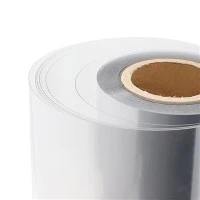
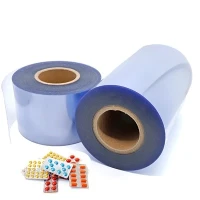
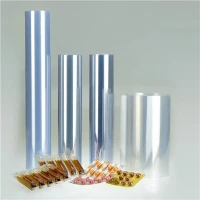
PET, or polyethylene terephthalate, is a widely used thermoplastic polymer known for its clarity, strength, and versatility. PET film sheets are manufactured by extruding PET resin into thin, flexible sheets that can be used in a variety of applications, including packaging, printing, and display. These sheets come in different thicknesses, grades, and finishes to meet the specific requirements of various industries.
UV Resistance in PET Film Sheets
The question of whether PET film sheets are UV-resistant is not a straightforward one. By nature, PET is not inherently highly UV-resistant. Ultraviolet (UV) radiation from the sun consists of UVA, UVB, and UVC rays, with UVA and UVB being the most relevant for materials exposed to sunlight. When PET film sheets are exposed to UV radiation over an extended period, several things can happen:
Degradation
UV radiation can cause the degradation of the PET polymer chains. This degradation can lead to a loss of mechanical properties such as tensile strength and elongation at break. The film may become brittle, crack, or lose its clarity over time. The chemical bonds in the PET structure are broken by the high - energy UV photons, initiating a process of oxidation and chain scission.
Discoloration
Another visible effect of UV exposure on PET film sheets is discoloration. The film may turn yellow or develop a hazy appearance, which can be a significant issue, especially for applications where optical clarity is essential, such as in packaging or display materials.
Factors Affecting UV Resistance of PET Film Sheets
However, the UV resistance of PET film sheets can be enhanced through various means:
Additives
One of the most common ways to improve the UV resistance of PET film sheets is by adding UV stabilizers or absorbers during the manufacturing process. These additives work by either absorbing the UV radiation and converting it into heat or by preventing the initiation of the degradation process. There are different types of UV stabilizers available, such as benzotriazoles and hindered amine light stabilizers (HALS). The choice and concentration of the additive depend on the specific requirements of the application, including the level of UV exposure and the desired service life of the product.
Coating
Applying a UV - resistant coating to the surface of the PET film sheet can also enhance its UV protection. These coatings can act as a barrier, preventing the UV radiation from reaching the underlying PET material. Some coatings are designed to absorb UV rays, while others reflect them. Coated PET film sheets can offer improved protection against discoloration and degradation, making them suitable for outdoor applications.
Applications Requiring UV - Resistant PET Film Sheets
Given the potential for UV - induced damage, there are several applications where UV - resistant PET film sheets are essential:
Outdoor Packaging
For products that are packaged and stored outdoors, such as agricultural products or construction materials, UV - resistant PET film sheets can protect the contents from UV damage. The packaging needs to maintain its integrity and appearance over an extended period, and UV resistance ensures that the film does not degrade or discolor, preserving the product's brand image and quality. Check out our Transparent APET Sheet For Folding Boxes And Printing for high - quality packaging solutions.
Outdoor Signage and Displays
PET film sheets are commonly used in outdoor signage and displays due to their clarity and printability. However, without proper UV protection, these signs and displays can quickly deteriorate under sunlight. UV - resistant PET film sheets can withstand long - term exposure to the elements, maintaining their color and visibility. Our PET Sheet For Printing And Folding Box is an excellent choice for such applications.
Solar Panel Backsheets
In the solar energy industry, PET film sheets are used as backsheets in solar panels. These backsheets need to provide electrical insulation and protection against environmental factors, including UV radiation. UV - resistant PET film sheets ensure the long - term performance and durability of solar panels by preventing degradation and maintaining the panel's efficiency. Our Transparent PET for Printing can be customized to meet the specific UV - resistance requirements of solar panel applications.


Assessing UV Resistance of PET Film Sheets
To determine the UV resistance of our PET film sheets, we conduct a series of tests. These tests typically involve exposing the film samples to artificial UV radiation in a controlled environment, simulating long - term outdoor exposure. The samples are then evaluated for changes in mechanical properties, color, and appearance over time.
We also provide detailed technical data sheets for our products, which include information on UV resistance, such as the expected service life under different levels of UV exposure. This information helps our customers make informed decisions about which product is best suited for their specific application.
Conclusion
In conclusion, while PET film sheets are not naturally highly UV - resistant, their UV resistance can be significantly improved through the use of additives and coatings. As a supplier, we offer a range of UV - resistant PET film sheets that are suitable for various applications, from outdoor packaging to solar panel backsheets.
If you are in need of high - quality PET film sheets with excellent UV resistance, we invite you to contact us for more information and to discuss your specific requirements. Our team of experts is ready to assist you in finding the perfect solution for your project.
References
- ASTM International. (20XX). Standard test methods for evaluating the effects of environmental factors on plastics.
- Wypych, G. (20XX). Handbook of UV Degradation and Stabilization. ChemTec Publishing.
- Zweifel, H., Maier, C., & Schiller, M. (20XX). Plastics Additives Handbook. Hanser Publishers.