


What is the difference between PET film sheet and other plastic films?
In the vast world of plastics, various types of films serve a multitude of purposes across different industries. Among them, PET (Polyethylene Terephthalate) film sheets have carved out a significant niche. As a PET film sheet supplier, I am often asked about the differences between PET film sheets and other plastic films. In this blog post, I'll delve into the unique characteristics of PET film sheets and contrast them with other common plastic films.
Physical and Chemical Properties
PET Film Sheets
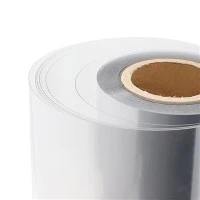
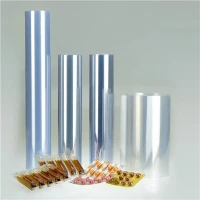
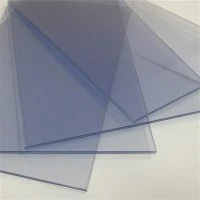
PET film sheets are known for their exceptional clarity and transparency. They offer a high level of gloss, which makes them ideal for applications where visual appeal is crucial, such as packaging for consumer products. This transparency allows consumers to clearly see the product inside the package, enhancing its marketability.
From a chemical perspective, PET is a thermoplastic polyester. It has a relatively high melting point, around 250 - 260°C, which gives it good heat resistance. This property enables PET film sheets to withstand high - temperature processing steps like thermoforming without significant deformation. Additionally, PET is resistant to many chemicals, including acids, alkalis, and solvents, within a certain concentration range. This chemical resistance makes it suitable for packaging products that may come into contact with various substances.
PET film sheets also have excellent mechanical properties. They possess high tensile strength, which means they can withstand stretching and pulling forces without tearing easily. This makes them reliable for applications where the film needs to hold up under stress, such as in industrial packaging or labeling.
Other Plastic Films
Let's take a look at some other common plastic films, such as PVC (Polyvinyl Chloride) and PE (Polyethylene).
PVC film is also transparent in most cases, but its transparency is often not as clear as that of PET film. It has a lower melting point compared to PET, around 100 - 260°C depending on the formulation. PVC is known for its flexibility, and it can be made into both rigid and flexible forms easily. However, PVC has a relatively poor heat resistance compared to PET. When exposed to high temperatures, it may release hydrochloric acid gas, which is not only harmful to the environment but also a potential safety hazard.
PE film comes in various types, including LDPE (Low - Density Polyethylene) and HDPE (High - Density Polyethylene). LDPE is very flexible and has good dielectric properties, making it suitable for applications like plastic bags. HDPE is more rigid and has higher strength. However, both types of PE films have relatively low melting points (around 105 - 135°C for LDPE and 120 - 130°C for HDPE) compared to PET. They also lack the chemical resistance of PET, being more susceptible to attack by certain solvents.
Applications
PET Film Sheets
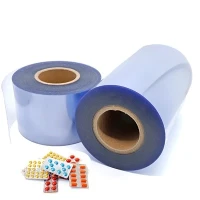
The unique properties of PET film sheets make them suitable for a wide range of applications. In the packaging industry, they are widely used for blister packing. Our Extrude Clear Pet 0.2mm Thick Rigid Film For Blister Packing is a prime example. Its clear and rigid nature allows for the safe and attractive packaging of small consumer goods, electronics, and pharmaceuticals.
PET film sheets are also used in food packaging. Our Food Grade APet Sheet meets the strict safety standards required for direct contact with food. It provides a barrier against oxygen, moisture, and light, which helps to preserve the freshness and quality of food products.
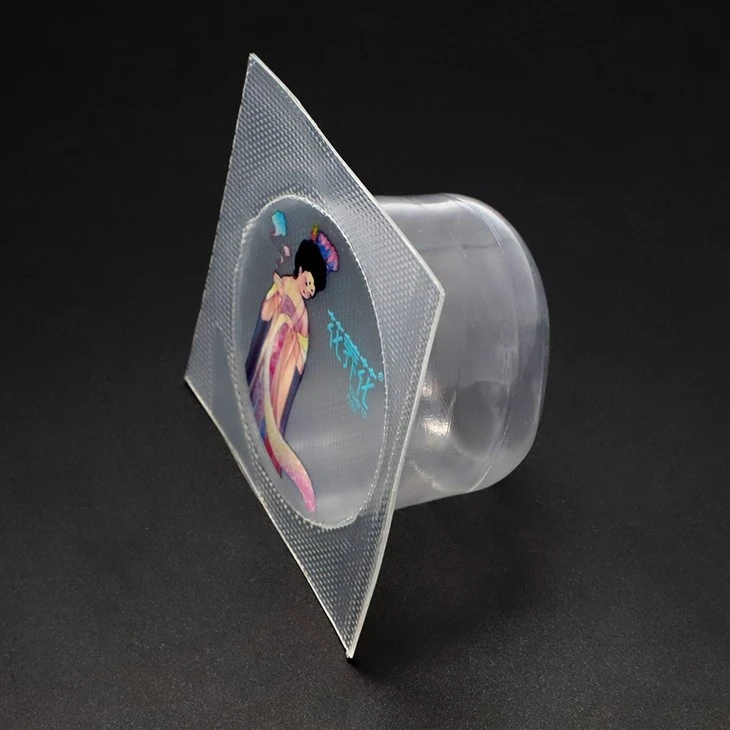
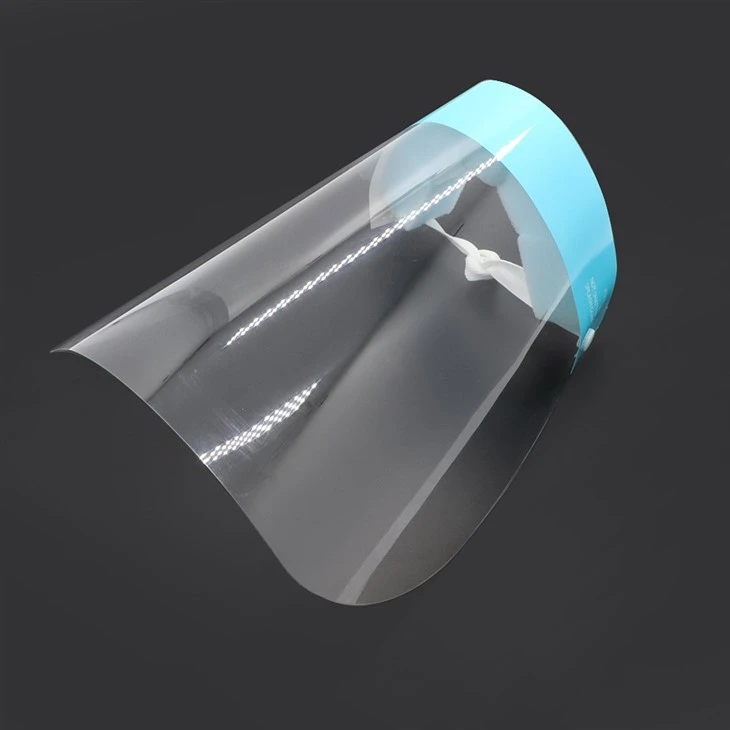
In the display and signage industry, PET film sheets are popular due to their high gloss and clarity. They can be printed on easily, making them suitable for creating eye - catching displays.
Other Plastic Films
PVC film is commonly used in the construction industry for applications such as window profiles and flooring due to its flexibility and durability. It is also used in the medical field for making IV bags and tubing. However, its environmental concerns have led to a decline in some of its applications in recent years.
PE film is ubiquitous in our daily lives. LDPE is used for making plastic bags, shrink wraps, and disposable gloves. HDPE is used for products like milk jugs, detergent bottles, and pipes. While PE films are cost - effective and widely available, their limited heat and chemical resistance restrict their use in more demanding applications.
Environmental Impact
PET Film Sheets
PET is a recyclable plastic. It can be recycled into new PET products, such as fibers for clothing, carpets, or new packaging materials. Recycling PET helps to reduce the amount of plastic waste in landfills and conserve natural resources. Many companies are now focusing on using recycled PET (rPET) in their products to meet sustainability goals.
Other Plastic Films
PVC is more difficult to recycle compared to PET. The presence of chlorine in PVC makes the recycling process more complex and costly. Additionally, the release of harmful chemicals during its disposal and recycling is a major environmental concern.
PE films are also recyclable, but the recycling rate is relatively low. The large volume of PE waste generated, especially from single - use plastic bags, has contributed to environmental pollution, such as plastic litter in oceans and landfills.
Cost - effectiveness
PET Film Sheets
The production cost of PET film sheets is relatively moderate. While it may be more expensive than some basic PE films, its superior properties often justify the cost. For example, its high strength and clarity can reduce the need for additional packaging materials, saving costs in the long run. The recyclability of PET also adds to its cost - effectiveness, as recycling can reduce raw material costs.
Other Plastic Films
PVC can be relatively inexpensive to produce, but the environmental costs associated with its disposal and recycling need to be considered. PE films, especially LDPE, are generally very cost - effective due to their simple production process and abundant raw materials. However, their limited performance in some applications may require the use of more quantities, which can offset the initial cost advantage in certain cases.
Conclusion
In conclusion, PET film sheets offer a unique combination of properties that set them apart from other plastic films. Their superior clarity, heat resistance, chemical resistance, mechanical strength, recyclability, and suitability for a wide range of applications make them a popular choice across many industries. Whether you are in the packaging, food, or display industry, PET film sheets can provide a reliable and cost - effective solution.
If you are interested in learning more about our PET film sheets, or if you have specific requirements for your business and want to discuss potential procurement, please feel free to start a conversation with us. We can provide detailed product information, samples, and customized solutions to meet your needs.
References
- Plastic Packaging Producers Association. Packaging Plastics: Properties and Applications. 2020.
- John Wiley & Sons. Polymer Science and Technology Handbook. Second Edition. 2019.
- Environmental Protection Agency. Plastic Recycling in the United States: Current Status and Future Trends. 2022.