


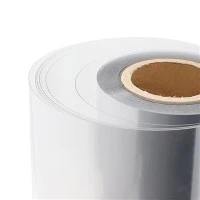
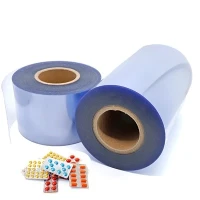
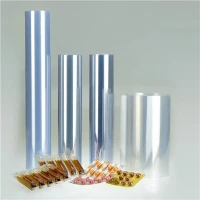

Hey there! I'm a supplier of Anti Fog Transparent PET Film Sheets, and I know firsthand how tricky it can be to transport these delicate materials without causing any damage. Over the years, I've learned a thing or two about the best ways to ensure your Anti Fog Transparent PET Film Sheets arrive at their destination in perfect condition. In this blog, I'm gonna share those tips with you.
Understanding the Material
First things first, let's talk a bit about Anti Fog Transparent PET Film Sheets. These sheets are made from polyethylene terephthalate (PET), which is a strong but also somewhat flexible plastic. The anti - fog feature makes them great for applications where moisture could be a problem, like in food packaging or display cases.
The transparency is super important, so even the slightest scratch or dent can ruin the sheet's appearance and functionality. That's why it's crucial to handle and transport them carefully.


Pre - Transport Preparation
Packaging
The key to safe transport starts with the right packaging. I always recommend using high - quality, protective materials. We usually wrap the sheets in a layer of soft, anti - static paper. This paper not only protects the sheets from scratches but also helps to prevent static electricity build - up, which can attract dust and debris.
After wrapping the sheets, we place them in custom - made cardboard boxes. These boxes are designed to fit the sheets snugly, so there's no room for them to move around during transit. The cardboard should be thick and sturdy enough to withstand a bit of rough handling.
Labeling
Proper labeling is also a must. On each box, we clearly mark "Fragile" and "Handle with Care." We also include arrows indicating which way is up, so the handlers know how to place the boxes correctly. This simple step can go a long way in reducing the risk of damage.
Choosing the Right Transport Method
Local Delivery
If you're making a local delivery, a van or a truck with a flatbed can work well. But make sure the vehicle's bed is clean and free of any sharp objects. You can also use padded dividers to separate the boxes and prevent them from hitting each other during the journey.
For short trips, you can even use a car, but again, make sure the sheets are properly secured and protected. I've seen some people try to transport the sheets in the backseat without any proper padding, and it often ends badly.
Long - Distance Shipping
For long - distance shipping, there are a few options. Air freight is fast, but it can be expensive. However, if you're in a hurry to get your products to the customer, it might be worth the cost. When shipping by air, the boxes are usually handled more gently, which reduces the risk of damage.
Sea freight is a more cost - effective option for larger shipments. But you need to be aware that the journey can be much longer, and the boxes will be exposed to more vibrations and movements. To protect the sheets during sea freight, we often use extra layers of packaging and secure the boxes tightly in the shipping container.
Courier Services
Courier services are another popular choice. Companies like FedEx or DHL have a reputation for handling packages carefully. But make sure to choose a service that offers insurance for fragile items. This way, if something does go wrong during transit, you'll be covered.
In - Transit Precautions
Temperature and Humidity
PET Film Sheets can be affected by extreme temperatures and humidity. High temperatures can cause the sheets to warp or become sticky, while low temperatures can make them brittle. That's why it's important to choose a transport method that can control the environment inside the vehicle or container.
If you're shipping during hot summer months, consider using a vehicle with air - conditioning. For cold winter months, insulation can help keep the sheets at a reasonable temperature.
Vibration and Shock
Vibrations and shocks during transit can also cause damage to the sheets. To minimize this, we use shock - absorbing materials in the packaging. For example, we'll sometimes add foam inserts or bubble wrap inside the boxes.
We also make sure that the boxes are stacked properly. They should be stacked in a way that distributes the weight evenly and reduces the risk of the top boxes crushing the bottom ones.
Handling at the Destination
Once the sheets arrive at their destination, proper handling is still crucial. The receiving staff should be trained on how to handle the boxes carefully. They should use a forklift or a pallet jack to move the boxes, rather than lifting them by hand, which can increase the risk of dropping them.
After opening the boxes, the sheets should be inspected immediately for any signs of damage. If any damage is found, the customer should contact us right away so we can work on a solution.
Related Products
If you're interested in other PET film sheet products, we also offer Vacuum Thermoforming Pet Rigid Sheet Film For Blister Packing, PET Sheet For Printing And Folding Box, and High Transparent Pet Plastic Sheet. These products are also made with high - quality materials and are suitable for a variety of applications.
Conclusion
Transporting Anti Fog Transparent PET Film Sheets without damaging them requires careful planning and attention to detail. From proper packaging and labeling to choosing the right transport method and taking in - transit precautions, every step matters.
If you're in the market for high - quality Anti Fog Transparent PET Film Sheets or any of our other related products, don't hesitate to reach out. We'd be more than happy to discuss your needs and provide you with a quote. Let's work together to ensure your projects are successful!
References
- Packaging Industry Handbook: Best Practices for Fragile Materials
- Transportation Safety Guidelines for Plastic Products