


As a supplier of Rigid PVC Sheets for Printing, I've witnessed firsthand the growing demand for these materials in various industries. One of the most common questions I receive is about how these sheets perform under long - term sunlight exposure, especially when used for printing. In this blog, I'll delve into the characteristics of rigid PVC sheets, their performance in sunlight, and the implications for long - term printing.
Understanding Rigid PVC Sheets
Rigid PVC sheets are a type of plastic material known for their durability, versatility, and ease of processing. They are made from polyvinyl chloride (PVC), a synthetic polymer that can be formulated to have different properties depending on the intended use. For printing applications, rigid PVC sheets offer a smooth surface that can hold high - quality prints, making them suitable for a wide range of products such as signage, displays, and packaging.
The Impact of Sunlight on Rigid PVC Sheets
Sunlight contains various types of radiation, including ultraviolet (UV) rays, visible light, and infrared (IR) radiation. Each of these components can have different effects on rigid PVC sheets over time.
UV Radiation
UV radiation is perhaps the most damaging component of sunlight for rigid PVC sheets. When PVC is exposed to UV rays, it can undergo a process called photodegradation. This process causes the polymer chains in the PVC to break down, leading to a variety of problems.
- Color Fading: One of the most noticeable effects of UV exposure is color fading. The pigments used in printed designs on rigid PVC sheets can be sensitive to UV radiation. Over time, the colors may become duller and less vibrant, which can significantly affect the visual appeal of the printed product.
- Surface Degradation: UV radiation can also cause the surface of the PVC sheet to become brittle and crack. This is because the breakdown of the polymer chains weakens the structure of the material. As a result, the sheet may lose its smoothness and develop a rough, pitted surface, which can further impact the quality of the print.
Visible Light and IR Radiation
While UV radiation is the primary cause of damage, visible light and IR radiation can also contribute to the degradation of rigid PVC sheets. Visible light can cause some degree of color fading, especially for certain types of pigments. IR radiation, on the other hand, can generate heat, which can lead to thermal expansion and contraction of the PVC sheet. This repeated expansion and contraction can cause stress on the material, potentially leading to warping or cracking.
Factors Affecting the Performance of Printed Rigid PVC Sheets in Sunlight
Several factors can influence how well printed rigid PVC sheets perform under long - term sunlight exposure.
Quality of the PVC Sheet
The quality of the PVC sheet itself plays a crucial role in its resistance to sunlight. Higher - quality sheets are often formulated with additives that can help protect against UV radiation. These additives, such as UV stabilizers, can absorb or reflect UV rays, reducing the amount of damage to the PVC.
Type of Printing Ink
The type of ink used for printing on the PVC sheet is also important. Some inks are more resistant to UV radiation than others. For example, UV - resistant inks are specifically designed to withstand sunlight exposure without fading or degrading quickly. Using high - quality, UV - resistant inks can significantly improve the longevity of the printed design on the PVC sheet.
Thickness of the PVC Sheet
Thicker PVC sheets generally offer better resistance to sunlight than thinner ones. A thicker sheet provides more material to absorb and disperse the energy from sunlight, reducing the impact on the surface and the printed design.
Strategies to Improve the Performance of Printed Rigid PVC Sheets in Sunlight
To ensure that printed rigid PVC sheets maintain their quality over long - term sunlight exposure, several strategies can be employed.
Use of UV - Resistant Coatings
Applying a UV - resistant coating to the printed PVC sheet can provide an additional layer of protection. These coatings can reflect or absorb UV radiation, preventing it from reaching the PVC and the printed ink. There are various types of UV - resistant coatings available on the market, and choosing the right one depends on the specific requirements of the application.
Proper Installation and Maintenance
Proper installation of the printed PVC sheets can also help improve their performance in sunlight. For example, ensuring that the sheets are installed in a way that allows for proper ventilation can help reduce the build - up of heat, which can contribute to thermal stress. Additionally, regular cleaning and maintenance of the sheets can remove dirt and debris that may accumulate over time and potentially accelerate the degradation process.
Applications of Rigid PVC Sheets for Printing
Rigid PVC sheets for printing have a wide range of applications, many of which involve long - term sunlight exposure.
Signage
Outdoor signage is one of the most common applications of printed rigid PVC sheets. Whether it's a storefront sign, a billboard, or a directional sign, these sheets need to withstand the elements, including sunlight. By using high - quality PVC sheets and UV - resistant inks, signage can maintain its visibility and attractiveness for an extended period.
Displays
Trade show displays, exhibition stands, and point - of - sale displays often use printed rigid PVC sheets. These displays are typically placed in areas where they are exposed to sunlight, either directly or indirectly. Ensuring that the sheets can perform well under sunlight is essential to make a lasting impression on potential customers.

Packaging
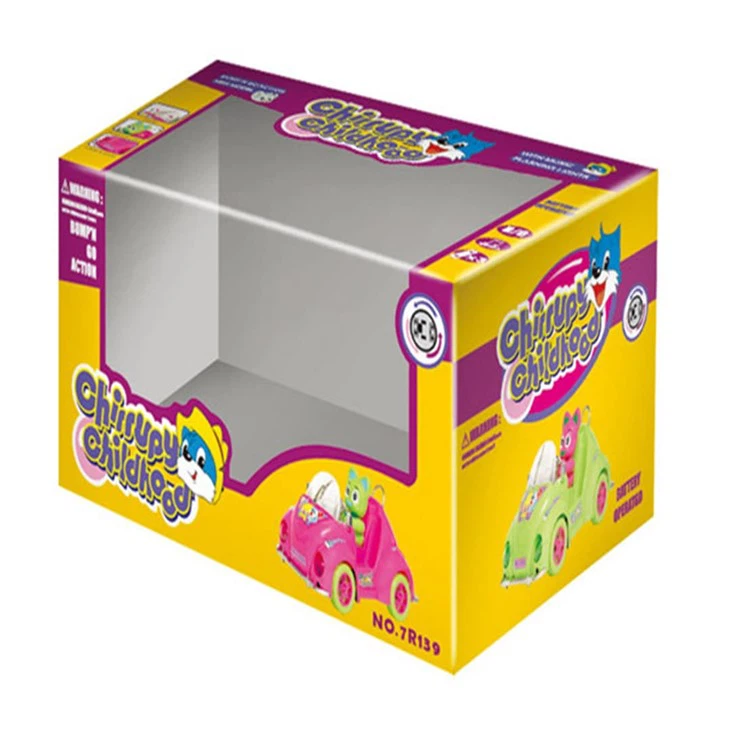
Rigid PVC sheets are also used in packaging applications, such as PVC Plastic Transprent Packing Box and Thin PVC Sheet Like Window for Box Packaging. While packaging may not be exposed to sunlight for as long as signage or displays, it still needs to maintain its appearance and integrity. For example, products that are stored in a warehouse with windows or are transported in vehicles with sunlight exposure require packaging that can withstand these conditions.
Conclusion
In conclusion, rigid PVC sheets for printing can perform well under long - term sunlight exposure if the right measures are taken. By understanding the impact of sunlight on PVC sheets, considering the factors that affect their performance, and implementing strategies to improve their resistance, it's possible to create high - quality printed products that can withstand the elements. Whether you're in the signage, display, or packaging industry, choosing the right PVC sheets and printing techniques is crucial for achieving long - lasting results.
If you're interested in learning more about our Rigid PVC Sheets for Printing or have any questions about their performance under sunlight, we'd love to hear from you. Feel free to reach out to us to discuss your specific requirements and explore how our products can meet your needs. We're committed to providing high - quality materials and excellent customer service to help you achieve your printing goals.
References
- ASTM International. (2023). Standard Test Methods for Outdoor Weathering of Plastics. ASTM D1435 - 23.
- Plastics Industry Association. (2022). PVC Materials: Properties and Applications.
- Smith, J. (2021). UV Degradation of Polyvinyl Chloride: A Review. Journal of Polymer Science, 59(12), 1567 - 1578.