


Hey there! As a supplier of rigid PETG sheets for vacuum forming, I often get asked if these sheets can be used for making automotive parts. Well, let's dive right into it and see if rigid PETG sheets are a good fit for automotive vacuum forming.
What is Rigid PETG Sheet?
First off, let's talk a bit about what rigid PETG sheets are. PETG stands for polyethylene terephthalate glycol - modified. It's a thermoplastic that combines the best of both worlds. It's tough, transparent, and has excellent chemical resistance. This makes it a popular choice in a variety of industries, from packaging to signage.
Why Consider Rigid PETG for Automotive Parts?
1. Durability
Automotive parts need to be able to withstand a lot. They're exposed to all sorts of environmental factors, like heat, cold, and UV rays. Rigid PETG sheets are pretty durable. They can handle a fair amount of wear and tear without cracking or breaking easily. This means that parts made from PETG are likely to last longer, which is a big plus for automotive applications.
2. Transparency
In some automotive applications, transparency is key. For example, headlight covers or instrument panel covers need to be clear so that the lights can shine through or the driver can see the gauges. Rigid PETG sheets offer high transparency, which makes them a great option for these types of parts.
3. Formability
One of the main advantages of using rigid PETG sheets for vacuum forming is their formability. Vacuum forming is a process where a heated plastic sheet is placed over a mold and then a vacuum is applied to suck the sheet onto the mold, taking its shape. PETG sheets heat up evenly and can be easily formed into complex shapes, which is crucial for creating custom automotive parts.
Potential Challenges
1. Temperature Resistance
While PETG is relatively heat - resistant, it may not be suitable for parts that are exposed to extremely high temperatures. For example, parts near the engine or exhaust system may get very hot, and PETG could start to deform at high temperatures. So, it's important to consider the operating temperature of the automotive part before choosing PETG.
2. Chemical Compatibility
Automotive fluids like gasoline, oil, and coolant can be harsh on plastics. PETG has good chemical resistance, but it's still important to test the compatibility of the PETG sheet with the specific automotive fluids it will come into contact with. If there's a risk of chemical degradation, it might not be the best choice for that particular part.
Real - World Applications
There are actually quite a few automotive parts that can be made using rigid PETG sheets through vacuum forming.
1. Interior Trim
Interior trim pieces, such as door panels, dashboard covers, and center console parts, can be made from PETG. The sheet's ability to be formed into different shapes and its attractive appearance make it a good option for enhancing the interior of a vehicle.
2. Light Covers
As mentioned earlier, headlight and taillight covers can be made from PETG. The transparency of the material allows for maximum light transmission, while its durability ensures that the covers can withstand the elements.
Our Rigid PETG Sheets
At our company, we offer a range of rigid PETG sheets that are perfect for vacuum forming automotive parts. We have different thicknesses and finishes to suit various applications.
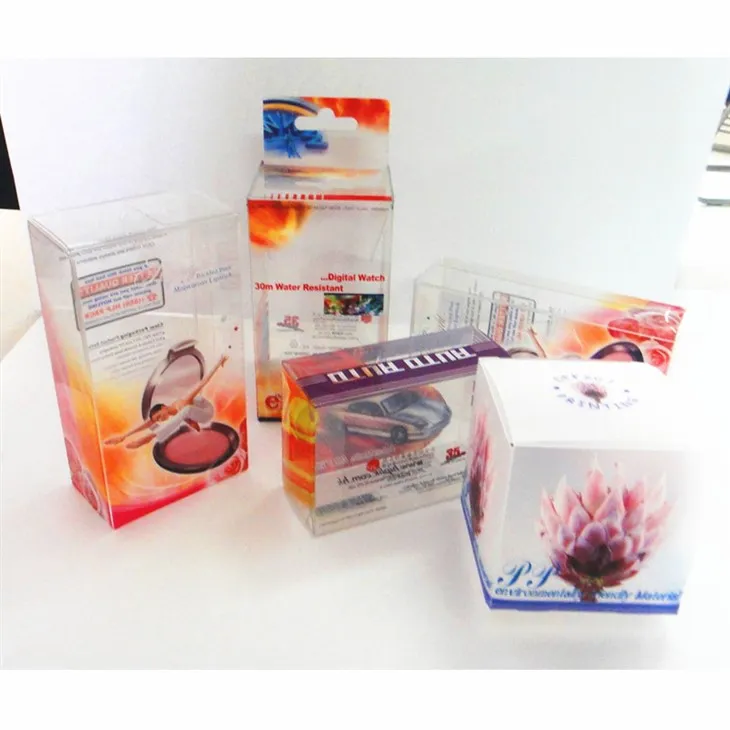
If you're interested in using our sheets for folding boxes, check out our Rigid PETG Sheet for Folding Box. For printing applications, we also have Rigid PETG Plastic Sheet for Printing. And if you need transparent sheets with PE films, take a look at our Transparent Rigid PETG Sheet PE Films.

How to Decide if PETG is Right for Your Automotive Parts
If you're thinking about using rigid PETG sheets for your automotive vacuum - forming project, here are some steps to help you decide:
1. Evaluate the Requirements
First, figure out what the part needs to do. Consider factors like temperature, chemical exposure, and mechanical stress. If the part needs to withstand high temperatures or harsh chemicals, you might need to look at other materials.
2. Test the Material
Before committing to a large - scale production, it's a good idea to test the PETG sheet. You can make a prototype of the part and see how it performs under real - world conditions. This will give you a better idea of whether PETG is the right choice.
3. Consult with Experts
If you're still not sure, don't hesitate to reach out to us. We have a team of experts who can help you determine if our rigid PETG sheets are suitable for your automotive parts.
Conclusion
So, can you use a rigid PETG sheet for vacuum forming automotive parts? The answer is yes, in many cases. Rigid PETG sheets offer a combination of durability, transparency, and formability that make them a viable option for a variety of automotive applications. However, it's important to carefully consider the specific requirements of the part and test the material to ensure it meets your needs.
If you're interested in learning more about our rigid PETG sheets for automotive vacuum forming or have any questions, feel free to get in touch with us. We're here to help you make the best choice for your project.
References
- "Plastics for Automotive Applications" - Industry Report
- "Thermoplastics Handbook" - Technical Publication