


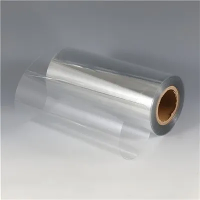
Hey there! As a supplier of Transparent PET for Printing, I often get asked if it's possible to print on transparent PET with a UV printer. Well, the short answer is yes, you can! But there's a bit more to it than just that, so let's dive in and explore this topic in detail.
Understanding Transparent PET
First off, what exactly is transparent PET? PET, or polyethylene terephthalate, is a thermoplastic polymer resin. It's widely used in various industries because of its excellent properties like high clarity, good chemical resistance, and strong mechanical strength. Transparent PET sheets are commonly used for packaging, signage, and printing applications.
When it comes to printing, transparent PET offers a smooth surface that can hold ink well, and it provides a clear and vibrant backdrop for printed images. Whether you're looking to print labels, promotional materials, or even custom designs on packaging, transparent PET can be a great choice.
How UV Printing Works
UV printing is a modern printing technology that uses ultraviolet light to dry or cure ink as it's printed onto a surface. Unlike traditional printing methods where the ink dries through evaporation, UV printing uses UV lamps to instantly harden the ink. This process has several advantages.
For starters, it allows for high - quality, detailed prints. The UV light cures the ink almost immediately, which means there's less chance of smudging or blurring. It also enables printing on a wide range of materials, including transparent PET. Since the ink is cured quickly, you can print on surfaces that might not be suitable for traditional printing methods due to their sensitivity to solvents or long drying times.
Printing on Transparent PET with a UV Printer
Now, let's talk about the actual process of printing on transparent PET with a UV printer.
Surface Preparation: Before printing, it's crucial to ensure that the surface of the transparent PET is clean and free of dust, grease, or any other contaminants. A simple wipe with a mild cleaning solution and a lint - free cloth can do the trick. This step is essential because any impurities on the surface can affect the adhesion of the ink.
Ink Selection: Not all UV inks are created equal. You need to choose an ink that is specifically formulated for printing on plastics, like transparent PET. These inks are designed to adhere well to the surface and provide long - lasting, fade - resistant prints. Some inks also offer additional features such as scratch resistance, which can be beneficial if the printed PET will be handled frequently.
Printer Settings: Adjusting the printer settings correctly is key to getting a good print. You'll need to set the right resolution, speed, and ink density based on the type of image you're printing and the characteristics of the transparent PET. Higher resolutions will generally result in more detailed prints, but they may also take longer to print.
Test Prints: It's always a good idea to do a test print on a small piece of transparent PET before starting a large - scale printing job. This allows you to check the color accuracy, ink adhesion, and overall print quality. You can make any necessary adjustments to the printer settings or ink selection based on the results of the test print.
Advantages of Printing on Transparent PET with a UV Printer
There are several benefits to using a UV printer to print on transparent PET.
Vibrant Colors: UV inks are known for their ability to produce bright and vivid colors. When printed on transparent PET, the colors really pop, making your printed materials stand out. Whether it's a colorful label or an eye - catching promotional sign, the high - quality prints from a UV printer can make a big impact.
Durability: UV - printed images on transparent PET are highly durable. The cured ink is resistant to scratches, abrasions, and fading, which means your printed materials will look good for a long time. This is especially important for applications where the printed PET will be exposed to the elements or regular handling.
Versatility: You can print a wide variety of designs and images on transparent PET using a UV printer. From simple text and logos to complex graphics and photos, the possibilities are endless. This makes it a great option for businesses looking to create unique and customized printed materials.


Challenges and Considerations
While printing on transparent PET with a UV printer has many advantages, there are also some challenges and considerations to keep in mind.
Cost: UV printers and UV inks can be more expensive than traditional printing equipment and inks. However, the high - quality results and durability of UV - printed materials often justify the cost, especially for businesses that require long - lasting and professional - looking prints.
Adhesion Issues: Although UV inks are designed to adhere well to plastics, there can still be adhesion problems if the surface of the transparent PET is not properly prepared or if the wrong type of ink is used. It's important to follow the manufacturer's recommendations for surface preparation and ink selection to ensure good adhesion.
Environmental Impact: UV inks and the UV curing process have a relatively low environmental impact compared to some traditional printing methods. However, it's still important to consider the disposal of used inks and any waste generated during the printing process.
Our Products
As a supplier of Transparent PET for Printing, we offer a range of high - quality products. You can check out our Plastic PET Sheet, which is perfect for a variety of printing applications. Our Transparency PET Sheet for Box Folding is ideal for creating custom - made boxes with beautiful printed designs. And our Transparent APET Sheet For Folding Boxes And Printing offers excellent clarity and strength for both folding boxes and printing purposes.
Contact Us for Procurement
If you're interested in purchasing our Transparent PET products for your printing needs, we'd love to hear from you. Whether you have questions about the printing process, need advice on product selection, or are ready to place an order, feel free to reach out. We're here to help you get the best results for your printing projects.
References
- Smith, J. (2020). The Basics of UV Printing. Printing Industry Journal.
- Johnson, A. (2019). PET Plastics in Packaging: Properties and Applications. Plastic Technology Review.