


Hey there! As a supplier of Transparent PET for Printing, I often get asked about safety precautions for transparent PET printing. It's a crucial topic, especially when you're dealing with materials that are used in various applications, from packaging to signage. So, let's dive right in and talk about what you need to know to keep things safe during the printing process.
Understanding Transparent PET
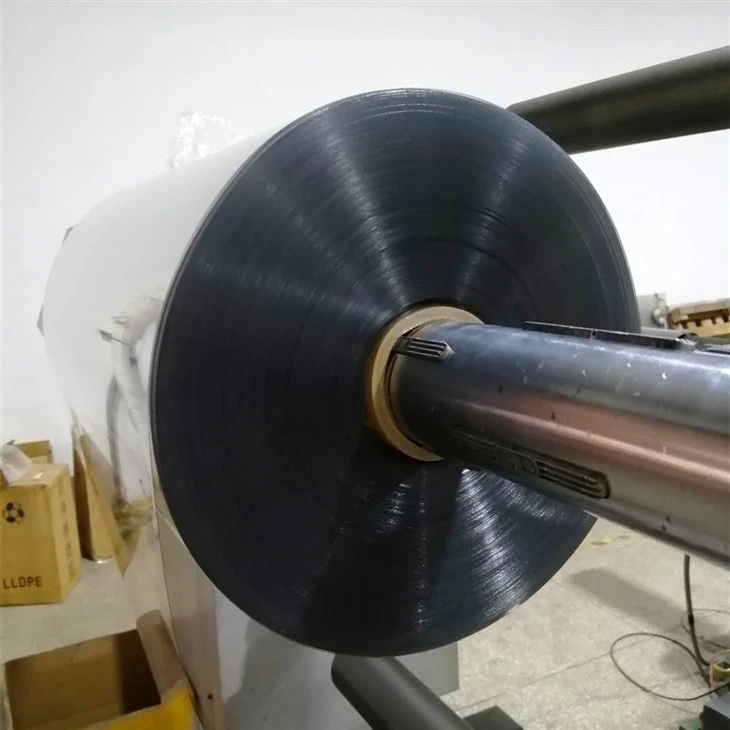
First off, let's quickly go over what transparent PET is. PET stands for polyethylene terephthalate, which is a type of thermoplastic polymer resin. Transparent PET is known for its excellent clarity, strength, and chemical resistance. It's widely used in printing because it provides a smooth surface for high - quality printing results. We offer different types of transparent PET products, such as Transparent PET Thick Plate, Rigid Transparent PET Sheet, and High Transparent Pet Plastic Sheet.

Pre - Printing Safety Precautions
Storage
Proper storage of transparent PET is the first step in ensuring safety. PET sheets should be stored in a cool, dry place away from direct sunlight. Exposure to high temperatures can cause the sheets to warp or deform, which not only affects the quality of the print but can also be a safety hazard during handling. Also, make sure to store the sheets in a way that they are not damaged by sharp objects or heavy items. Stacking them neatly on a flat surface is a good idea.
Handling
When handling transparent PET sheets, always wear gloves. This not only protects your hands from any sharp edges but also prevents fingerprints and dirt from getting on the sheets. Fingerprints can cause printing issues, such as uneven ink adhesion. Also, use proper lifting techniques when moving large or heavy sheets. Bend your knees, keep your back straight, and lift with your legs to avoid back injuries.
Printing Process Safety Precautions
Ink Selection
The type of ink you use is crucial for both the quality of the print and safety. Make sure to choose inks that are compatible with transparent PET. Some inks may contain harmful chemicals, such as volatile organic compounds (VOCs). VOCs can be released into the air during the printing process and can cause respiratory problems, headaches, and other health issues. Look for low - VOC or VOC - free inks. These inks are not only better for the environment but also safer for the people working in the printing area.
Printing Equipment
Regular maintenance of your printing equipment is essential. Check the printers, cutters, and other machinery for any signs of wear and tear. Loose parts or malfunctioning equipment can pose a safety risk. Make sure all safety guards are in place and functioning properly. For example, the guards on the printer's moving parts prevent fingers and clothing from getting caught in the machinery. Also, follow the manufacturer's instructions for operating the equipment. Overloading the printer or using it in an incorrect way can lead to accidents.
Ventilation
Good ventilation is a must in the printing area. As mentioned earlier, some inks can release harmful fumes. Having proper ventilation systems, such as exhaust fans or air purifiers, helps to remove these fumes from the air. This reduces the risk of inhaling harmful chemicals and keeps the working environment safe. Ensure that the ventilation systems are clean and functioning efficiently.
Post - Printing Safety Precautions
Drying and Curing
After printing, the transparent PET sheets need to be dried and cured properly. Follow the recommended drying and curing times for the ink and the PET material. Incomplete drying or curing can cause the ink to smudge or peel off. Also, some curing processes may involve heat, so make sure to use appropriate safety measures when handling the heated sheets. Wear heat - resistant gloves and use tongs to move the sheets.
Cutting and Finishing
If you need to cut the printed PET sheets, use sharp and appropriate cutting tools. Dull blades can cause uneven cuts and may require more force, increasing the risk of injury. Make sure the cutting surface is stable and clean. After cutting, remove any sharp edges or burrs to prevent cuts during further handling or packaging.
Environmental Considerations
As a supplier, we're also concerned about the environmental impact of transparent PET printing. PET is a recyclable material, and we encourage our customers to recycle any waste PET sheets. When it comes to inks, choosing eco - friendly options further reduces the environmental footprint. By taking these steps, we can contribute to a more sustainable future while ensuring safety in the printing process.
Conclusion
In conclusion, there are several safety precautions to consider when it comes to transparent PET printing. From proper storage and handling to choosing the right inks and maintaining equipment, every step plays a crucial role in keeping the printing process safe. Whether you're a small - scale printer or a large - scale manufacturer, following these safety guidelines will not only protect your workers but also ensure high - quality printing results.
If you're interested in our Transparent PET for Printing products and want to discuss your specific requirements, feel free to reach out. We're here to help you find the best solutions for your printing needs.
References
- General knowledge about PET materials and printing processes.
- Industry best practices for safety in plastic printing.