


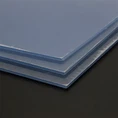
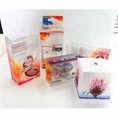


Hey there! I'm a supplier of PVC film sheets, and today I wanna chat about one of the most common questions I get asked: Are PVC film sheets resistant to chemicals?
Let's start by getting a bit technical. PVC, or polyvinyl chloride, is a synthetic plastic polymer. It's known for being pretty tough and versatile, which is why it's used in so many different industries. But when it comes to chemical resistance, it's not a one - size - fits - all situation.
General Chemical Resistance of PVC Film Sheets
PVC film sheets have a certain level of resistance to a variety of chemicals. For instance, they're generally resistant to water, weak acids, and weak alkalis. This makes them a great choice for applications where they might come into contact with these substances.
Take the food packaging industry, for example. PVC film sheets can be used to wrap food products. They're resistant to the natural acids and moisture present in many foods, so they can keep the food fresh and protected. Also, in the medical field, PVC is used for various purposes. Rigid PVC Film For Medicinal blister packaging is a prime example. It needs to be resistant to the chemicals in the medications, as well as any disinfectants used during the packaging process.


Limitations in Chemical Resistance
However, PVC film sheets aren't invincible. They have their limits when it comes to chemical exposure. Strong acids and alkalis can break down the PVC over time. For example, concentrated sulfuric acid or sodium hydroxide can cause the PVC to degrade. The chemical reaction can lead to changes in the physical properties of the film, like loss of flexibility, discoloration, or even cracking.
Organic solvents are another area of concern. Solvents such as acetone, toluene, and chloroform can dissolve or swell PVC film sheets. If you're using PVC in an environment where it might come into contact with these solvents, you're gonna have some problems. The film can lose its structural integrity, and it won't be able to perform its intended function.
Factors Affecting Chemical Resistance
Several factors can affect how well PVC film sheets resist chemicals. The first one is the formulation of the PVC. Different manufacturers might use different additives and plasticizers in their PVC production. These additives can change the chemical resistance of the final product. For example, some plasticizers can make the PVC more flexible but might also make it more susceptible to certain chemicals.
The thickness of the PVC film sheet also matters. Thicker sheets generally have better chemical resistance than thinner ones. A thicker sheet can provide a greater barrier against chemical penetration. So, if you need high - level chemical resistance, you might wanna consider using a thicker PVC film.
Another factor is the duration and intensity of chemical exposure. Short - term exposure to a moderately reactive chemical might not cause significant damage, but long - term exposure can be a different story. Continuous contact with a chemical can gradually wear down the PVC, even if it's a chemical that the PVC is supposed to be somewhat resistant to.
Real - World Applications and Chemical Resistance
Let's look at some real - world applications and how chemical resistance plays a role. In the construction industry, PVC film sheets are used for waterproofing and insulation. They need to be resistant to water, as well as any chemicals present in the building materials or the environment. For example, in a basement where there might be some groundwater seepage with a slightly acidic or alkaline pH, the PVC film should be able to withstand that without degrading.
In the automotive industry, PVC film sheets can be used for interior trim and upholstery. They need to be resistant to body oils, cleaning agents, and any chemicals that might be present in the car's interior environment. If the PVC isn't resistant to these chemicals, it can start to look shabby and wear out quickly.
Clear Transparent And Colorful PVC Film Roll For Pharmaceutical Packing is another important application. Pharmaceutical products often contain a variety of chemicals, and the PVC film used for their packaging must protect them from external contaminants while also being resistant to the chemicals within the product itself.
Testing for Chemical Resistance
As a supplier, I understand the importance of ensuring that our PVC film sheets meet the required chemical resistance standards. We conduct a series of tests to evaluate the chemical resistance of our products. One common test is the immersion test. We immerse samples of the PVC film in different chemicals for a specific period and then observe any changes in the film's properties.
We also use spectroscopic analysis to determine if there are any chemical changes in the PVC after exposure. This helps us to accurately assess the level of chemical resistance and make any necessary adjustments to our production process.
Conclusion and Call to Action
In conclusion, PVC film sheets have a certain degree of chemical resistance, but they also have their limitations. The key is to understand the specific chemicals the PVC will be exposed to and choose the right type of PVC film sheet for the application.
If you're in the market for PVC film sheets and need them to have a specific level of chemical resistance, don't hesitate to reach out. We have a wide range of PVC film sheets, including Transparent Rigid Plastic PVC Sheet, that can be tailored to your needs. Whether you're in the food, medical, construction, or automotive industry, we can provide you with the right product. Let's have a chat about your requirements and see how we can work together to get you the best PVC film sheets for your project.
References
- "Polyvinyl Chloride (PVC) Handbook" by Charles A. Daniels
- Journal of Applied Polymer Science, various issues on PVC chemical resistance studies