


Achieving high-quality, crystal-clear, and durable products through the thermoforming process is a common goal, yet challenges like cracking, uneven walls, and stress whitening can hinder results. The path to success lies in mastering several interdependent factors, starting with the fundamental choice of material. Understanding how to select and process the optimal PET Sheet for Thermoforming is the first step toward manufacturing excellence.
1. Choosing the Right PET Sheet for Thermoforming
The quality of your final product is directly influenced by the quality of the raw material you start with.
Material Type and Grade:
- APET Sheet: This is the most common and user-friendly type of PET Sheet for Thermoforming. Its wide processing window (typically 160°C - 180°C) and superior clarity make it ideal for food packaging and blisters.
- RPET Sheet: Utilizing recycled content makes your process more sustainable. However, it is crucial to source your RPET Sheet for Thermoforming from a reliable supplier to ensure consistent melt flow and avoid contaminants that weaken the structure.
- Custom Formulations: For specific needs like enhanced toughness or specialty barriers, working with your PET sheet manufacturer on a custom grade can provide the perfect solution.
Inherent Sheet Properties:
- Consistency is King: Variations in the intrinsic viscosity (IV) of the PET Sheet for Thermoforming can lead to inconsistent melt strength, causing some batches to form perfectly while others fail.
- Thickness Uniformity: A high-quality PET Sheet for Thermoforming must have excellent gauge consistency. Any variation will cause uneven heating and stretching, resulting in weak spots and defective parts.
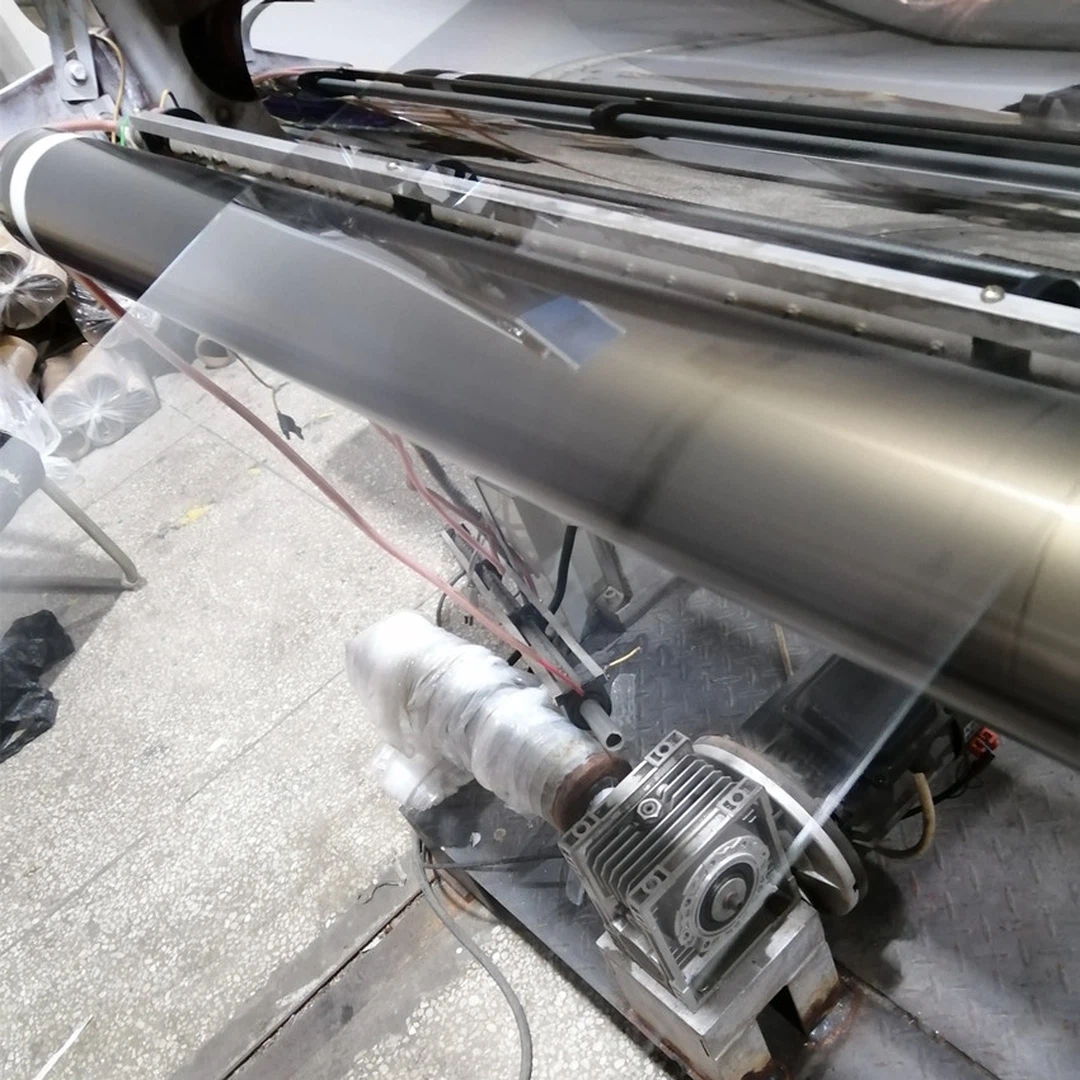
2. Thermal Processing: Mastering the Heat
Precise thermal control is what transforms a rigid sheet into a malleable product.
- The Thermal Window: The ideal thermoforming temperature for PET typically falls between 160°C and 180°C. Staying within this range ensures the material has optimal melt strength for deep draws without sagging or degrading.
- The Role of Drying: PET is hygroscopic. Therefore, pre-drying your PET Sheet for Thermoforming is a non-negotiable step to prevent hydrolysis, which causes molecular weight drop, leading to brittleness and yellowing during heating.
3. Tooling and Mold Design
Even the best PET Sheet for Thermoforming cannot compensate for a poorly designed mold.
- Draft Angles: Incorporate sufficient draft (≥1°) on mold walls to facilitate easy part ejection and prevent scratching.
- Generous Radii: Sharp corners create stress concentration points. Using radii ensures uniform material distribution and prevents the sheet from thinning out or cracking in corners.
- Vacuum Hole Design: Properly sized and located vacuum holes are critical for quickly and accurately forming the PET Sheet for Thermoforming into the mold's details, especially in deep-draw applications.
Conclusion
Superior PET Thermoforming is not the result of a single factor, but a symphony of the right material, precise thermal management, and well-engineered tooling. Investing in a high-quality, consistent PET Sheet for Thermoforming from a trusted supplier provides the stable foundation upon which all other process parameters can be successfully built.
Experience the Difference Premium Materials Make.
Get your free sample pack and put our PET Sheet for Thermoforming to the test. See firsthand how superior consistency and performance can elevate your products.