


The plastic industry plays a crucial role in modern society, with its products widely used in various fields of daily life, significantly improving the quality of human life. The following is the main role of the plastic industry in improving the quality of life and its multidimensional analysis:
1, Convenience and safety in daily life
Lightweight and durable consumer goods
Plastic products, such as food packaging, daily necessities, and furniture, greatly simplify daily life due to their lightweight, easy to clean, and corrosion-resistant properties. For example, plastic wrap extends the shelf life of food and plastic containers facilitate storage and transportation.
Medical plastics (syringes, infusion bags) have the characteristics of sterility and disposable use, reducing the risk of medical infections.
Hygiene and Health Security
Disposable medical devices and protective equipment (such as masks and gloves) have become key epidemic prevention materials during the epidemic, and the barrier function of plastics effectively blocks the spread of pathogens.
Plastic filters in water purification equipment help remove pollutants and improve drinking water safety.
2, The driving force behind technological and industrial progress
In the field of electronics and communication
Plastic is the core material for the casing and insulation of electronic products such as mobile phones and computers, and its insulation and lightweight properties support the popularity of portable devices.
The plastic coating of optical fiber cable protects signal transmission and promotes the development of high-speed Internet.
Automotive and Transportation Innovation
Lightweight automobiles (with plastic components accounting for 50%) reduce fuel consumption and carbon emissions, promoting green travel.
Engineering plastics such as polycarbonate in high-speed trains and airplanes enhance safety and comfort.
3, Sustainable Development and Environmental Innovation
Breakthrough in biodegradable plastics
Biobased plastics (such as PLA) and photo degradable materials reduce the environmental burden of traditional plastics and support a circular economy.
Recycling technologies, such as chemical depolymerization, convert waste plastics into renewable resources and reduce petroleum dependence.
Energy efficiency improvement
Plastic thermal insulation materials (such as polyurethane foam) are used for building energy conservation to reduce heating/cooling energy consumption.
Plastic components in solar panels reduce the production cost of clean energy.
4, Economic and social benefits
Low cost and universality
The low production cost of plastics makes essential items such as water purification equipment and agricultural films more accessible, benefiting low-income groups.
Plastic toys, stationery, etc. reduce the cost of children's education and promote global education equity.
Employment and industrial chain drive
The plastic industry covers the production, processing, and recycling of raw materials, creating a large number of job opportunities, especially in developing countries.
5, Future challenges and balanced development
Despite the significant contribution of plastics, environmental issues such as microplastic pollution still need to be addressed through technological innovation and policy regulation. Future development directions include:
Green design: developing plastic products that are easier to recycle;
Alternative materials: promoting biodegradable plastics in the ocean;
Public education: Advocate for rational use and classified recycling.
summarize
The plastic industry has become an indispensable pillar of modern civilization through its multifunctionality, economy, and technological adaptability. Its value is not only reflected in convenience, but also continuously promotes social progress through innovation in fields such as healthcare, energy, and environmental protection. In the future, we need to seek a balance between convenience and sustainability to maximize their positive impact.

Clear PVC film
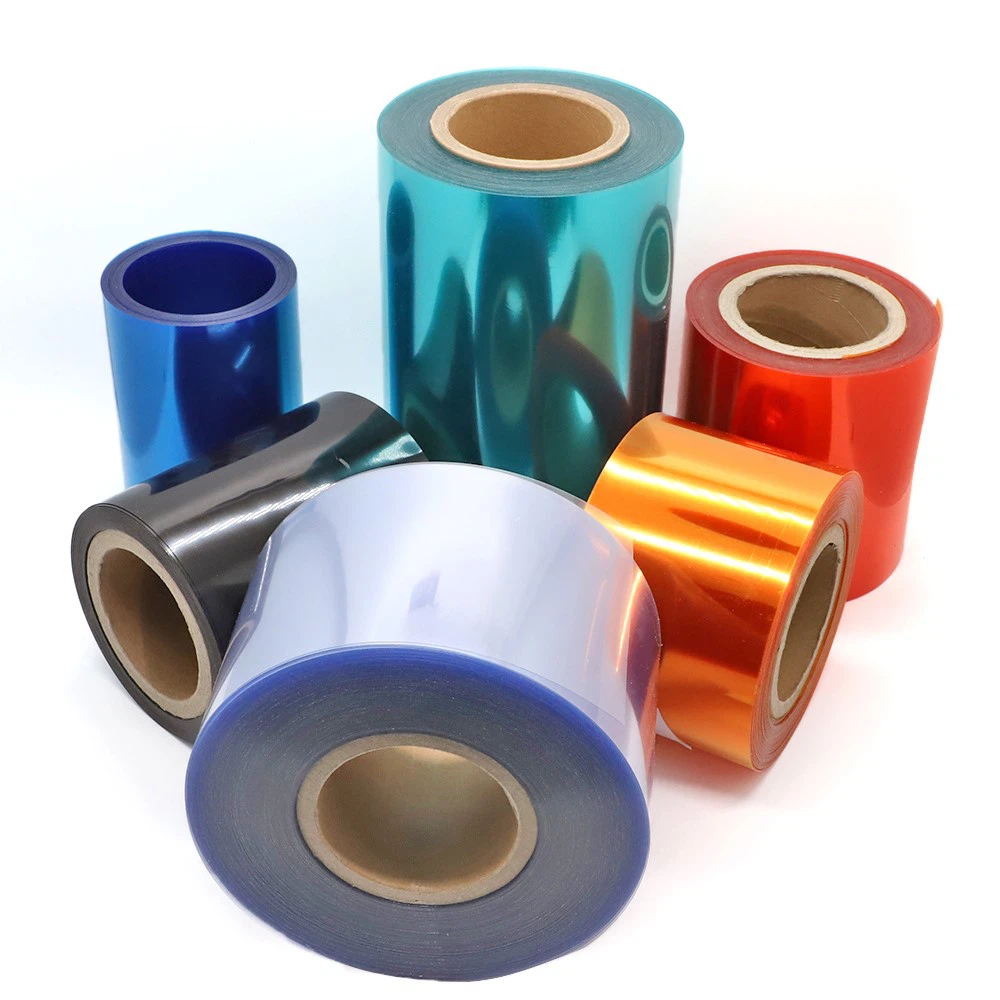
Colorful PVC film

Thick clear PVC sheet
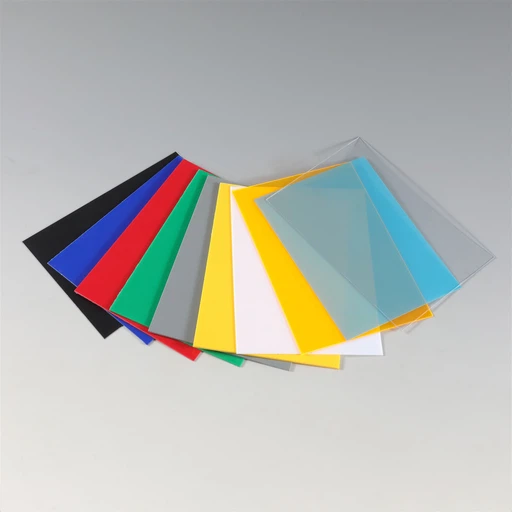
Colorful PVC sheet

Pharmaceutical PVC Film

Frosted PVC sheet (Small dot)

Frosted PVC sheet ( Big dot)

Clear PET film

Clear PET sheet