


1. Introduction
In the global packaging industry, blister packaging has become a standard solution for products that require visibility, protection, and hygiene - from pharmaceuticals and electronics to consumer goods.
Two of the most widely used materials for blister forming are Rigid PVC Film and PETG.
While both materials offer high transparency and formability, they differ significantly in processing behavior, mechanical properties, cost, and environmental aspects.
This article provides a practical, data-driven comparison to help manufacturers and buyers choose the right film for their application.
2. Material Overview
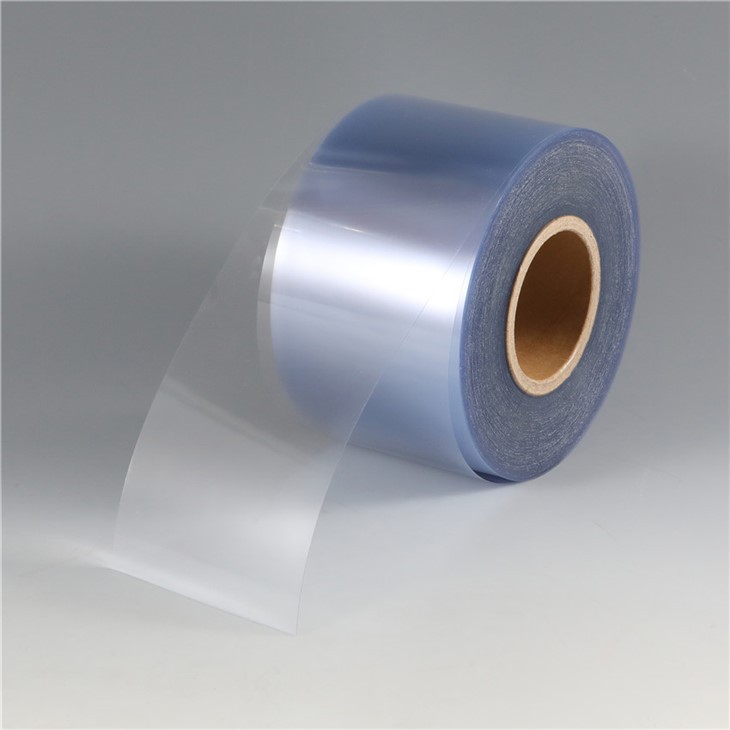
(1) Rigid PVC Film
Rigid PVC (Polyvinyl Chloride) is a calendered or extruded thermoplastic film known for its excellent clarity, stiffness, and cost-efficiency.
It has been the industry standard for blister packaging for decades, especially in pharmaceuticals and consumer goods.
Key advantages include:
- Excellent transparency (≥88%)
- Low forming temperature (120–140°C)
- Good chemical and moisture resistance
- Strong sealing compatibility with aluminum foil and other substrates
- Cost-effective for mass production
(2) PETG Film
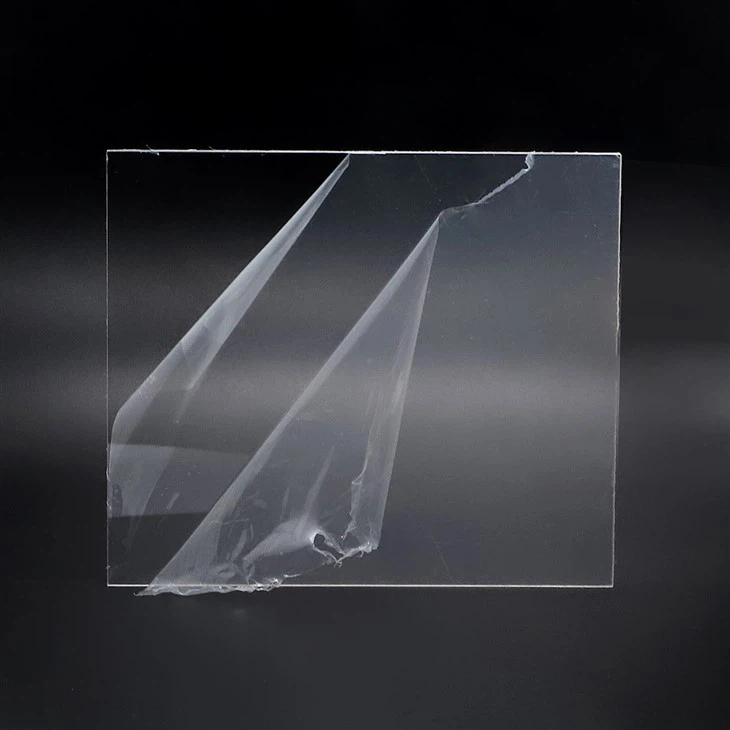
PETG is a glycol-modified polyester that offers high impact strength, gloss, and chemical resistance.
Compared with standard PET, PETG has better thermoformability and does not require pre-drying before forming, making it suitable for deeper or more complex packaging shapes.
Key advantages include:
- High clarity (≥90%) and gloss
- Impact resistance 3–5× higher than PVC
- 100% recyclable (no chlorine content)
- Suitable for high-end transparent packaging
3. Processing Comparison
Property |
Rigid PVC Film | PETG Film |
|---|---|---|
Forming Temperature |
120–140°C | 150–180°C |
Forming Depth |
Moderate | Deep / complex shapes |
Shrinkage Control |
Stable | Requires controlled cooling |
Sealing |
Excellent with aluminum or paper | Requires PET-compatible sealing layer |
Cutting & Trimming |
Easy | Higher toughness - slower cutting speed |
Antistatic / Anti-fog Additives |
Widely available | Available but more costly |
PVC film's lower forming temperature makes it energy-efficient and well-suited for high-speed thermoforming machines.
PETG, while more durable, demands tighter temperature control to avoid whitening or stress cracking during forming.
4. Mechanical & Optical Properties
Property |
Rigid PVC | PETG |
|---|---|---|
Transparency |
Excellent | Superior |
Gloss |
High | Very High |
Impact Resistance |
Medium | Excellent |
Flexibility |
Limited | High |
Dimensional Stability |
Excellent | Good |
Chemical Resistance |
Good | Excellent |
Heat Resistance |
Up to 60°C | Up to 70°C |
Scratch Resistance |
Moderate | Good |
PETG provides better impact and scratch resistance, ideal for premium packaging that needs both durability and aesthetics.
PVC, however, maintains superior stiffness and dimensional accuracy, making it ideal for blister packs that require precise forming and sealing.
5. Environmental and Regulatory Aspects
Environmental considerations increasingly influence material selection.
- PVC contains chlorine, which raises concerns about incineration and recycling. However, modern rigid PVC films are now phthalate-free and RoHS compliant, with recycling rates improving in closed-loop production systems.
- PETG is a non-chlorinated polymer and fully recyclable, aligning better with EU and North American environmental regulations.
For pharmaceutical packaging, both materials can meet FDA and EU Pharmacopeia standards when produced using medical-grade resin.
6. Cost and Market Positioning
| Factor | Rigid PVC | PETG |
|---|---|---|
| Raw Material Cost | Low | 30–50% higher |
| Energy Consumption | Lower | Higher (due to higher forming temp) |
| Market Focus | Mass production, cost-sensitive | High-end retail, display packaging |
| Recyclability | Medium (requires separation) | Excellent |
PVC's lower cost and energy efficiency make it the preferred choice for large-scale production lines, especially in pharmaceuticals and food trays.
PETG is often chosen for premium consumer electronics or cosmetic packaging, where visual appearance and toughness justify higher costs.
7. Application Recommendations
| Application | Recommended Material | Reason |
|---|---|---|
| Pharmaceutical blister packs | Rigid PVC / PVC+PVDC | Dimensional precision, cost-effective |
| Consumer electronics packaging | PETG | High impact strength, gloss finish |
| Food trays and display boxes | PVC / PETG hybrid | Balance between clarity and rigidity |
| Cosmetic packaging | PETG | High transparency and premium surface finish |
| Stationery and office products | PVC | Easy processing and economical |
8. Conclusion
Both Rigid PVC Film and PETG Film play vital roles in the global blister packaging market.
PVC remains the most cost-effective and widely used material, ideal for mass production, high sealing precision, and consistent forming quality.
PETG, on the other hand, caters to high-end, sustainability-conscious brands seeking superior aesthetics and recyclability.
Ultimately, the choice depends on application priorities -PVC for efficiency and stability; PETG for performance and perception.
As a leading manufacturer of PVC, PETG, PET, and various other films and sheets for packaging, printing, and thermoforming, we provide reliable materials to meet all your production needs.
Contact us for more details and customized specifications.