


PVC (polyvinyl chloride) and PET (polyethylene terephthalate) are two widely used plastic materials in the packaging industry, each with its own characteristics and applications. Here is a comparison of their features and common uses:
1. PVC (polyvinyl chloride)
Features:
Chemical stability: Resistant to acids, alkalis, and oils, suitable for food and chemical packaging.
High transparency: Can be made into transparent or colored packaging.
Flexibility: Softness and hardness can be adjusted with plasticizers (e.g., soft PVC for shrink wrap).
Barrier properties: Moderate barrier to oxygen and water vapor, better than PE but not as good as PET.
Cost-effective: Relatively low price.
Common packaging applications:
Food packaging: Cling film, trays, bottle caps.
Pharmaceutical packaging: Blister packaging (aluminum-plastic board for tablets).
Household products: Cosmetic bottles, shampoo bottles (hard PVC).
Industrial packaging: Shrink wrap, labels.
Disadvantages:
Environmental issues: Contains chlorine, which can produce dioxins when burned; difficult to recycle (requires separate sorting).
Plasticizer risk: Some phthalate plasticizers may migrate (must meet standards for food contact).
2. PET (polyethylene terephthalate)
Features:
High transparency and gloss: Often used for packaging that needs to display contents (e.g., beverage bottles).
High strength: Good impact resistance, suitable for pressure-resistant scenarios like carbonated drink bottles.
Excellent barrier properties: Strong barrier to CO2 and oxygen, extending food shelf life.
Temperature tolerance: Can withstand -40°C to 70°C, but deforms at high temperatures (not suitable for boiling water).
Recyclability: Widely recycled (e.g., PET bottles can be turned into fibers or new bottles).
Common packaging applications:
Beverage bottles: Mineral water, carbonated drinks (accounts for most global PET use).
Food containers: Salad boxes, microwave trays (good oil resistance).
Household product packaging: Cosmetic bottles, transparent jars.
Films: Packaging for electronics or gifts (e.g., APET sheets).
Disadvantages:
Higher cost: Raw material prices are generally higher than PVC.
Not heat resistant: Regular PET is not suitable for hot liquids (requires CPET or heat-resistant layers).
3. Key Comparison between PVC and PET
Properties PVC PET
Environmental impact Difficult to recycle, toxic when burned Easy to recycle, preferred for environmental reasons
Transparency High, customizable colors Very high, excellent optical performance
Hardness Can be soft or hard (depends on plasticizers) Usually hard, good elasticity
Chemical resistance Excellent (resistant to oils, acids, and alkalis) Good (not resistant to strong alkalis)
Cost Low Medium to high
4. Selection Recommendations
Choose PVC: For low cost, flexibility required (e.g., cling film), pharmaceutical blister packs.
Choose PET: For high transparency, strength needed, or recycling requirements (e.g., beverage bottles), high food contact safety standards.
Eco-friendly alternatives: Consider bio-based PET or biodegradable materials (e.g., PLA) to reduce environmental impact.
5. Environmental Trends
PVC: Certain uses restricted in regions like the EU (e.g., toys, food packaging), need to comply with REACH regulations.
PET: Promoting a 'bottle-to-bottle' circular economy, brands like Coca-Cola commit to using recycled PET (rPET).
Select based on specific needs (cost, performance, environmental impact) and ensure compliance with local regulations (e.g., food contact material standards).
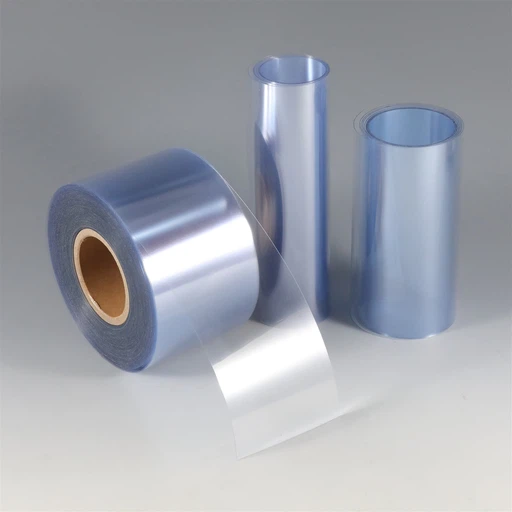
Clear PVC film
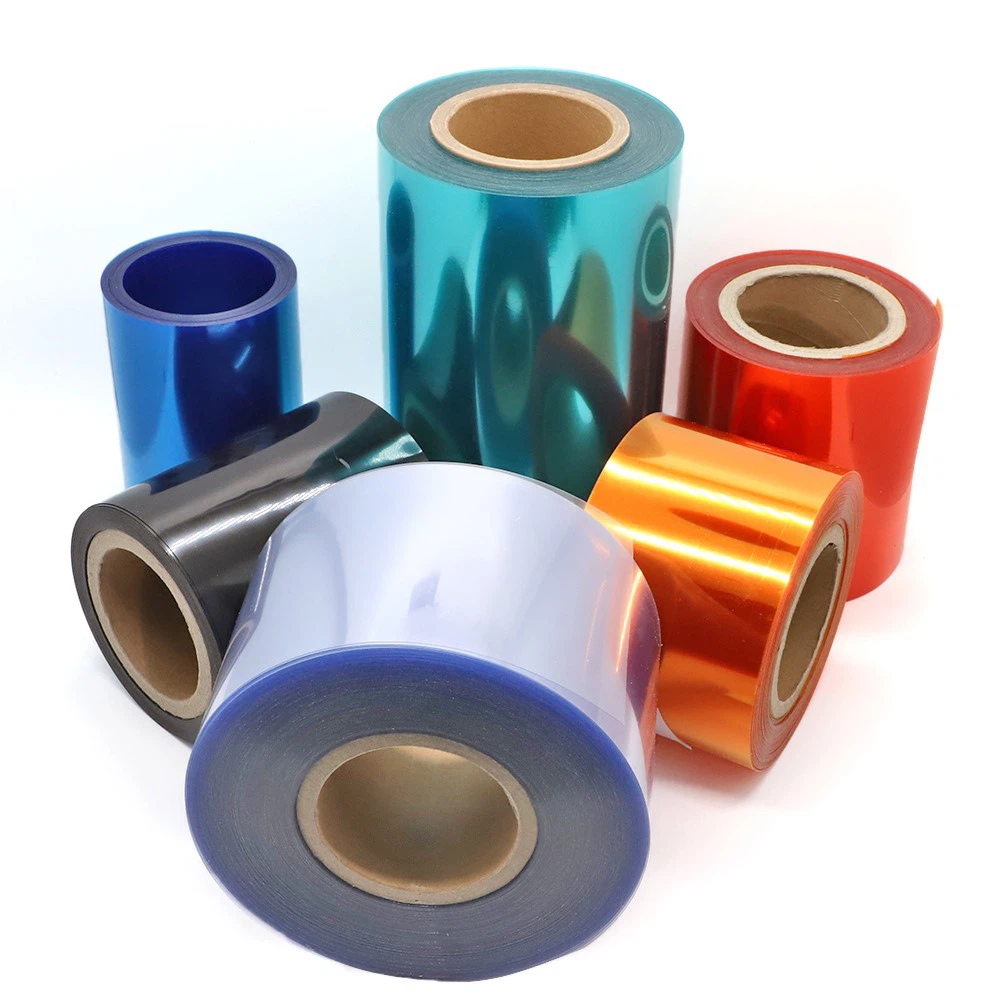
Colorful PVC film
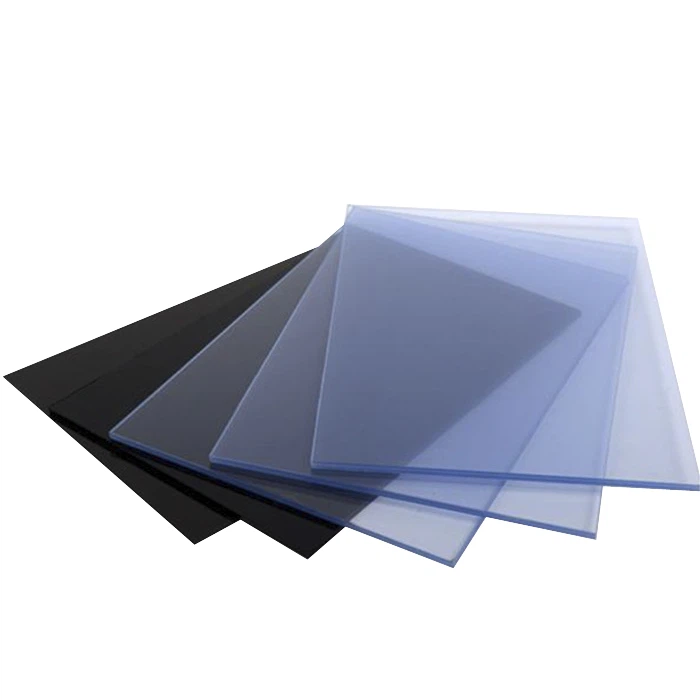
Thick clear PVC sheet
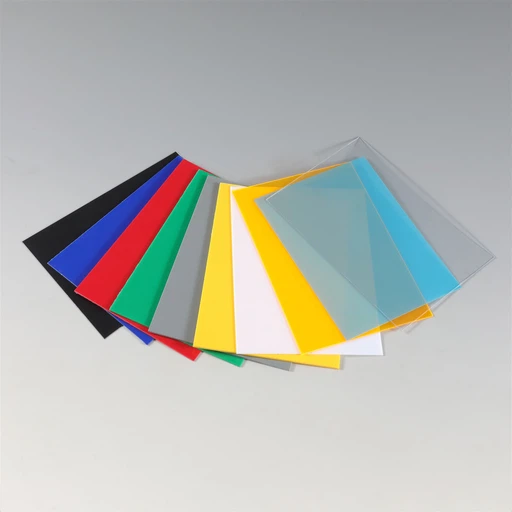
Colorful PVC sheet

Pharmaceutical PVC Film

Frosted PVC sheet (Small dot)
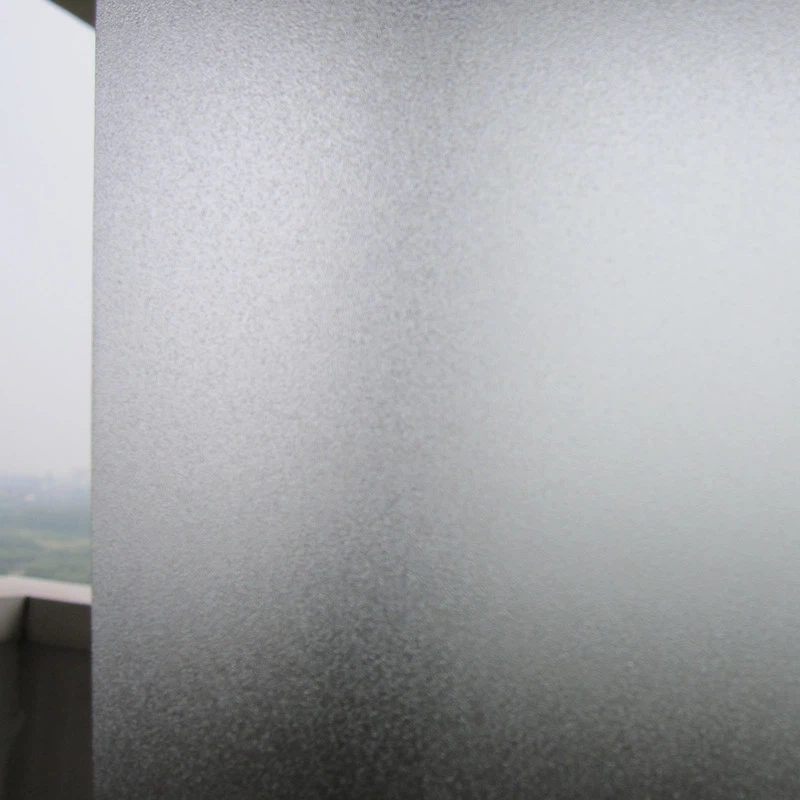
Frosted PVC sheet ( Big dot)

Clear PET film

Clear PET sheet