


The HM Revenue and Customs (HMRC) announced that the Plastic Packaging Tax (PPT) will undergo significant adjustments in April 2027. This update includes the chemical recycling content in the statistics and excludes the pre consumption recycling content, which will have an impact on the UK plastic packaging industry. Adjustment content: The core change of the "one plus one reduction" policy update is the introduction of the Mass Balance Approach (MBA) as the calculation method for regeneration content. Starting from April 2027, the recycled plastic content generated by chemical recycling will be officially included in the statistics of plastic packaging tax recycled content. This method is a chain of custody model that allows companies to calculate the recycled content through quality balance when mixing recycled materials with raw materials. Due to the fact that the products of chemical recycling are often mixed with raw materials, it is difficult to physically track recycled materials, making this method particularly suitable for chemical recycling technology. In this way, the statistical scope of plastic packaging tax recycling content will expand from traditional physical recycling to two major fields: physical recycling and chemical recycling, further quantifying the sustainability of packaging. Meanwhile, the pre consumption regeneration content will be excluded from the statistical scope. This adjustment will have an impact on flexible packaging companies that rely on pre consumer materials, such as manufacturers of plastic bags and functional films. If they are unable to increase the recycling content to 30% before the implementation of the new regulations, they will be subject to a plastic packaging tax of £ 223.69 per ton (equivalent to RMB 2157.92). In recent years, as global environmental awareness has increased, countries have implemented policies to address plastic pollution. Data shows that plastic packaging accounts for 44% of the domestic plastic usage in the UK, and constitutes 67% of the main source of plastic waste. A large amount of packaging uses new materials, and the use of recycled plastics is insufficient. In this context, the UK will implement a plastic packaging tax from April 1, 2022, imposing taxes on plastic packaging and products that use less than 30% recycled plastic, in order to improve the level of plastic waste recycling and strengthen the management of importers. Industry impact and future trends: For flexible packaging companies that rely on pre consumer materials (such as plastic bag and functional film manufacturers), if they cannot adjust their production mode in a timely manner after the implementation of the new regulations, increase the proportion of chemically recycled materials, and reach the 30% recycling content standard, they will face high tax burdens. However, through the conservation of materials method, companies have also gained certain benefits. Enterprises can use chemically recycled materials more flexibly, simplify the accounting process for recycled plastic ratios, and reduce compliance costs. From a policy-making perspective, the UK government, after extensive consultation, has decided to adopt neutral scientific technology to exclude chemical recycling products used for fuel or energy production, ensuring that chemical recycling technology focuses on the recycling of plastic packaging. In addition, the UK plans to align with the chemical recycling description proposed by the EU Chemical Recycling Alliance, while the EU is still evaluating whether to use the fuel exclusion method of mass conservation to calculate the regeneration content. Future UK policies may be influenced by EU related decisions. Source: New Perspectives on Plastic Recycling.
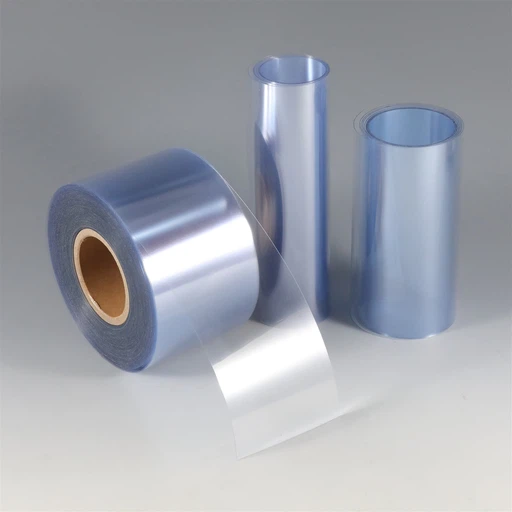
Clear PVC film
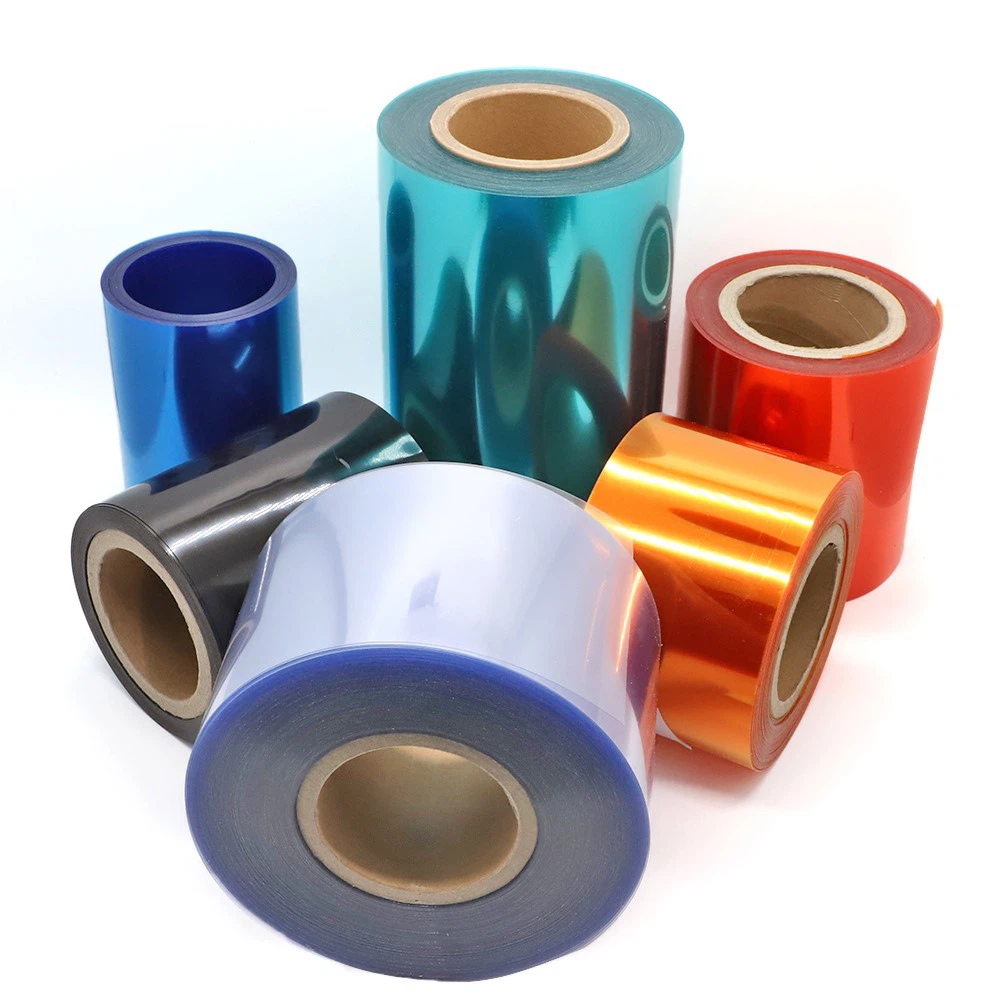
Colorful PVC film
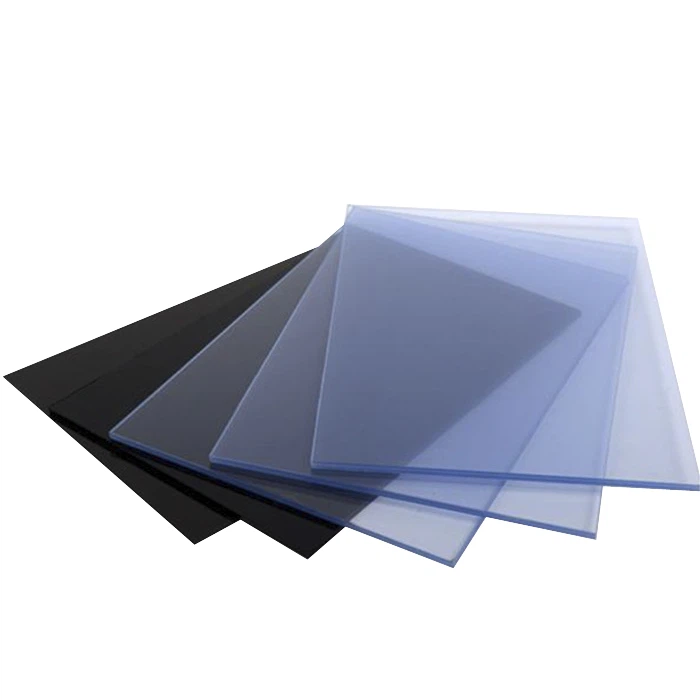
Thick clear PVC sheet
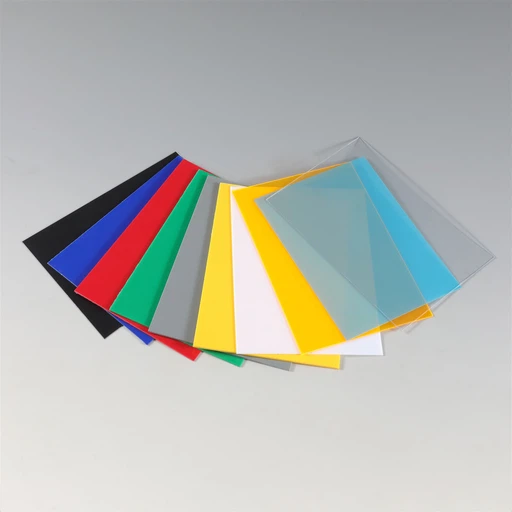
Colorful PVC sheet

Pharmaceutical PVC Film

Frosted PVC sheet (Small dot)

Frosted PVC sheet ( Big dot)

Clear PET film

Clear PET sheet