


Thermoforming PET sheet is widely used in food packaging, medical trays, electronics, and various consumer products. Its clarity, toughness, and cost-effectiveness make it a preferred choice for manufacturers worldwide. However, when the sheet is not processed under the right conditions, defects such as whitening, bubbles, thinning, warping, or cracks can appear. These problems increase scrap rate and slow down production.
Below is a practical guide to help manufacturers and overseas buyers understand how to prevent the most common thermoforming defects when working with PET sheet.
1. Control the Drying Process Properly
Although PET has low moisture absorption, even small amounts of moisture can cause bubbles or haze during heating.
How to avoid defects:
Pre-dry PET sheet at 65–70°C for 2–4 hours if stored in humid conditions.
Keep sheet rolls sealed until use to prevent moisture pickup.
Ensure the workshop temperature and humidity are stable.
Defects prevented: Bubbles, haze, fogging on formed parts.
2. Maintain Stable Heating Temperature
Uneven or excessive heating is one of the major causes of whitening, thinning, and deformation.
Recommended practices:
Use gradual heating to avoid sudden temperature jumps.
Keep upper and lower heaters balance within 5–8°C difference.
Adjust heating zones according to sheet thickness (thicker sheet requires deeper heating).
Make sure infrared heaters are clean and consistent in output.
Defects prevented: Whitening, excessive thinning, warpage, poor surface gloss.
3. Optimize Mould Temperature and Cooling
PET forms best when both mould temperature and cooling rate are controlled.
Key recommendations:
Keep mould temperature at 15–25°C for general packaging.
Increase mould temperature for deeper draws to reduce internal stress.
Ensure cooling channels are unobstructed for consistent heat removal.
Avoid rapid cooling - it may lead to stress marks or cracks later.
Defects prevented: Cracking, internal stress, poor detail definition.

4. Ensure Proper Sheet Thickness and Uniformity
PET sheet with large thickness variations will form unevenly and create weak spots.
Quality checkpoints:
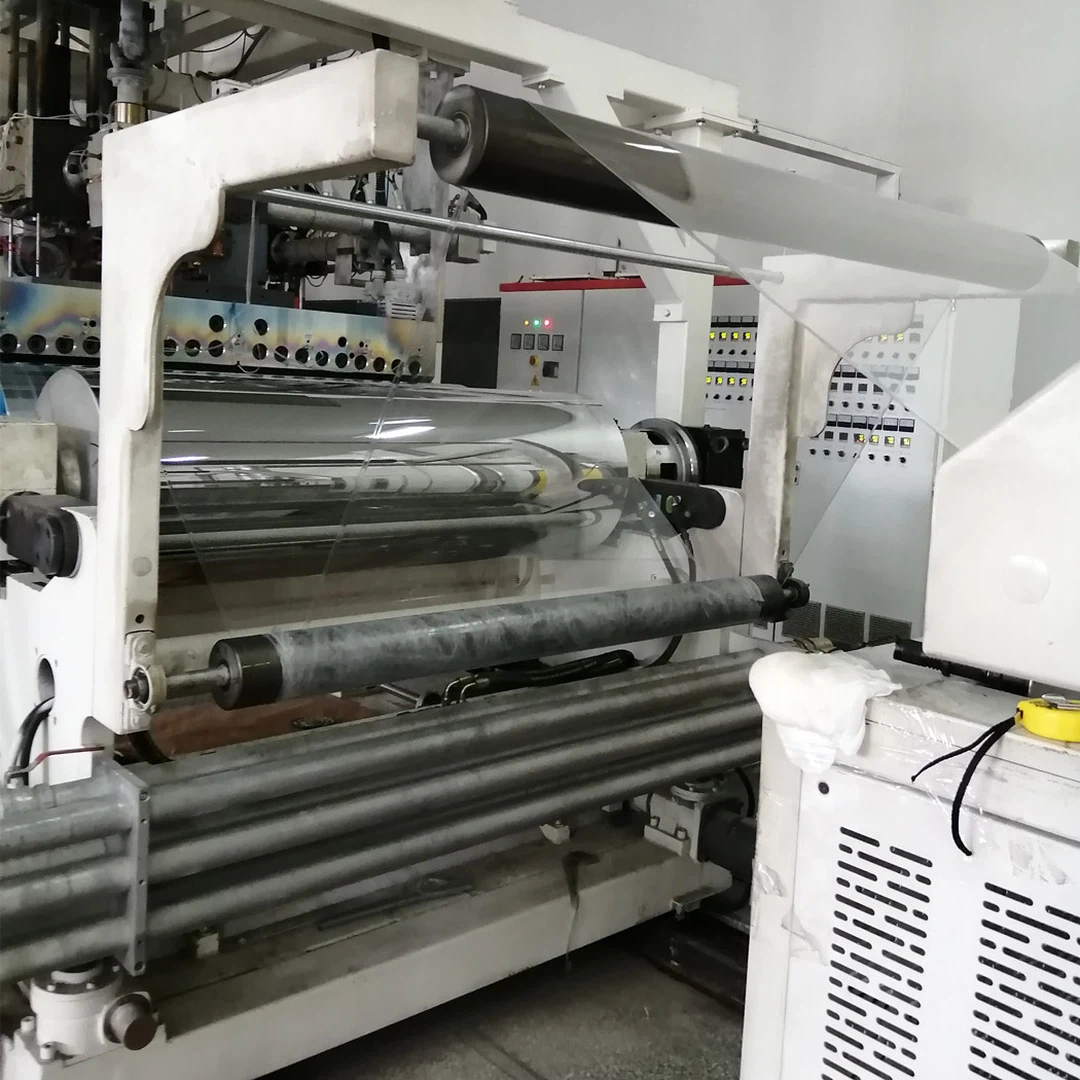
Check thickness tolerance regularly during extrusion.
Avoid using sheet with more than ±3–5% variation, depending on spec.
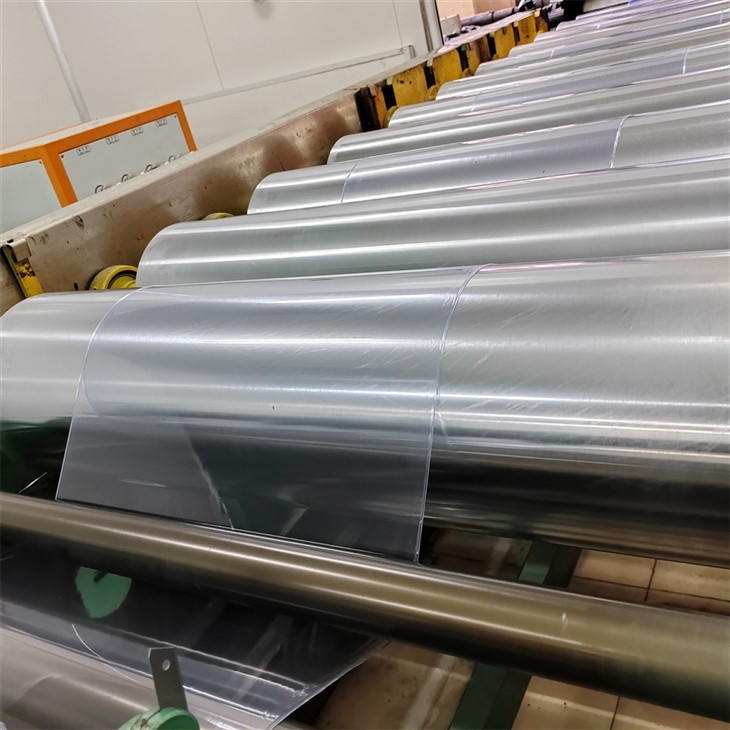
Use materials from reliable manufacturers with controlled extrusion lines.
Defects prevented: Thinning, uneven walls, incomplete forming.
5. Adjust Forming Pressure and Vacuum
If vacuum or pressure is not optimized, the sheet may fail to follow the mould fully, resulting in soft corners or distortion.
Best practices:
Ensure vacuum holes are clean and unobstructed.
Increase vacuum pressure for deep-draw products.
Delay vacuum slightly to allow even stretching before pulling into the mould.
Maintain adequate air pressure for pressure-forming systems.
Defects prevented: Incomplete forming, soft corners, loss of detail, wrinkles.
6. Reduce Stress by Avoiding Over-Stretching
PET can turn white or crack when stretched beyond its safe ratio.
Practical tips:
Reduce mould depth or redesign radii if parts often crack.
Pre-stretch the sheet using plug-assist for deeper cavities.
Use plug materials with low friction to avoid stress marks.
Defects prevented: Whitening, cracks, uneven distribution.
7. Keep the Production Environment Clean
Dust or small particles on the sheet can burn or create marks during forming.
Recommendations:
Maintain a cleanroom-style thermoforming area if possible.
Use anti-static treatment to reduce dust attraction.
Wipe heating plates and mould surfaces regularly.
Defects prevented: Black spots, burn marks, surface imperfections.
8. Select High-Quality PET Sheet
Many thermoforming issues originate from inconsistent materials rather than the forming process itself.
What to look for when sourcing PET sheet:
Good clarity and low crystallinity
Consistent thickness tolerance
High-quality virgin raw material
Smooth surface without gels or contaminants
Certificates such as FDA, EU food contact compliance, etc.
High-quality sheet reduces scrap and ensures stable production, especially for food and medical packaging.
Conclusion
Preventing defects during thermoforming of PET sheet requires not only optimized processes but also the selection of stable, high-quality raw materials and a reliable supplier. By coordinating multiple aspects - from drying and heating to vacuum control and mold design - manufacturers can significantly improve efficiency, reduce scrap rate, and ensure that formed parts maintain clarity and structural integrity.
Our company specializes in the production of PET and PVC sheets, offering reliable extrusion technology, stable quality control, and flexible customization options. Our materials are widely used in food packaging, medical trays, electronics, and other industrial applications.
If you need custom PET sheet specifications, thermoforming-grade materials, or technical support, please feel free to contact us anytime.