


As global food safety regulations intensify and consumer expectations rise, packaging materials are undergoing a dramatic shift. Among all plastic packaging solutions, PET (Polyethylene Terephthalate) sheets are quickly becoming the preferred choice for food manufacturers worldwide. Their clarity, strength, recyclability, and compliance with food-contact standards position PET as a modern, high-performance material capable of meeting both regulatory and operational demands.
This article explains why PET sheets are dominating food-grade packaging and how they help manufacturers improve quality, efficiency, and sustainability.
1. Excellent Food-Contact Safety and Regulatory Compliance
One of the core reasons PET sheets lead the food packaging market is their proven safety profile. PET is chemically inert and does not release harmful substances during processing, storage, or heating under normal food-contact conditions. It is widely approved by:
- FDA (U.S. Food & Drug Administration)
- EU Regulation (EC) No 10/2011
- China National GB Standards
- Global pharmaceutical and food packaging authorities
This high degree of compliance gives food manufacturers confidence when exporting products worldwide.
2. Superior Transparency and Visual Appeal
In modern retail environments, appearance influences purchasing decisions. PET sheets offer exceptional optical clarity, allowing consumers to clearly see the food inside while enhancing shelf presentation. Compared with PVC or PP, PET provides:
- Ultra-high transparency
- Glossy, premium surface
- Excellent resistance to whitening or hazing
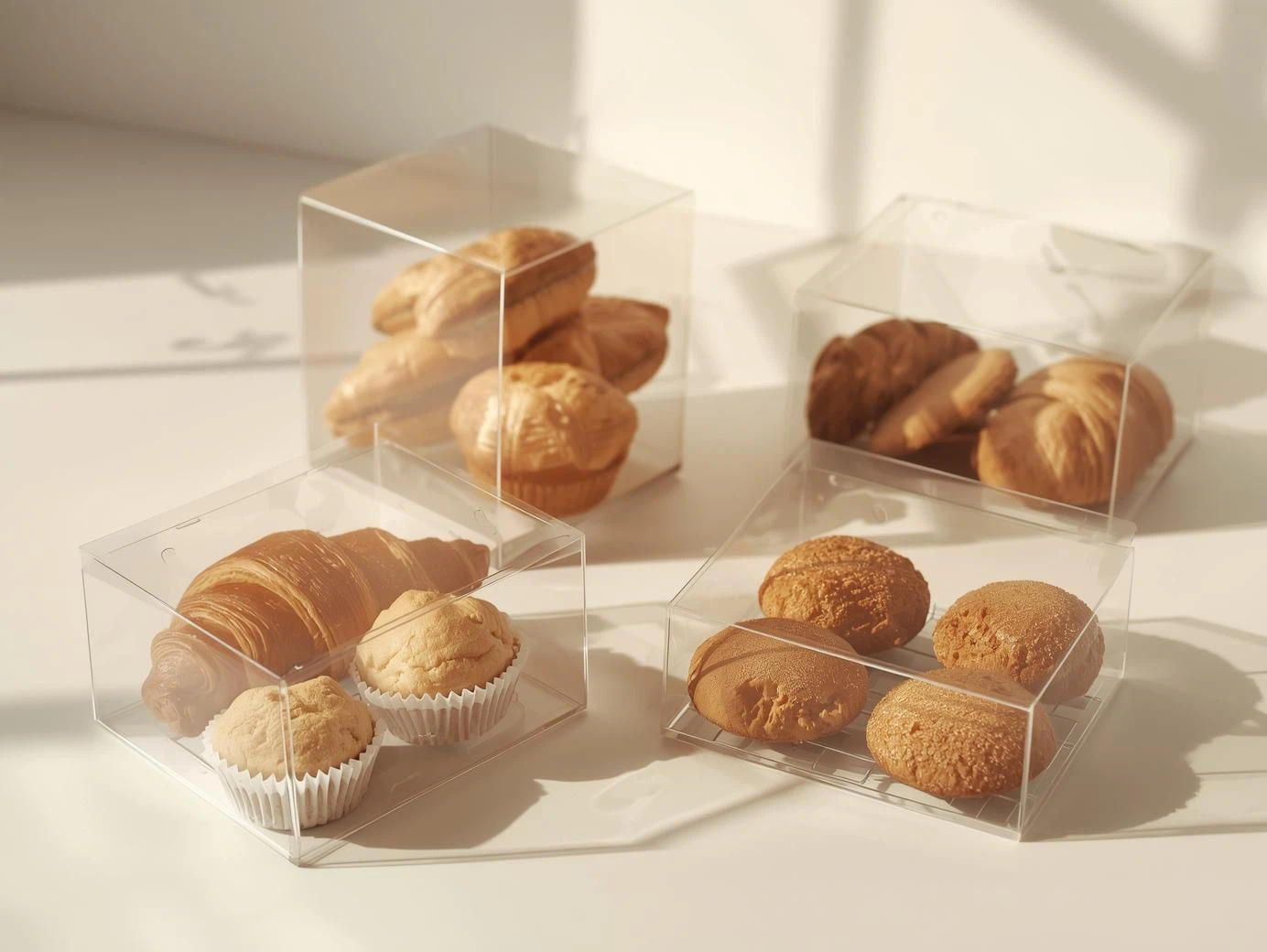
Whether used in bakery boxes, fresh fruit packaging, salad containers, or thermoformed trays, PET delivers a clean and appealing look that strengthens a brand's image.
3. Outstanding Mechanical Strength and Thermoforming Performance
Food manufacturers prefer PET sheets because of their robust physical performance. PET provides a unique combination of rigidity and impact resistance, ensuring protection during transportation, stacking, and cold storage.
Key advantages include:
- High impact strength
- Stable forming behavior
- Good dimensional accuracy
- Resistance to cracking or deformation
PET sheets perform exceptionally well in deep-draw thermoforming, making them suitable for complex shapes such as blister packs, trays, and clamshell packaging.


4. Excellent Barrier Properties for Food Preservation
Freshness is a critical factor in packaged foods. PET sheets deliver reliable barrier performance that helps extend shelf life:
- Strong resistance to moisture
- Improved oxygen barrier compared with many plastics
- Good aromatic and chemical resistance
These characteristics allow PET to maintain food quality, flavor, and safety - especially for bakery, dried food, frozen food, and fresh produce packaging.
5. Lightweight and Cost-Efficient for Large-Scale Manufacturing
PET sheets offer impressive strength-to-weight ratio, enabling manufacturers to reduce material usage without compromising performance. Benefits include:
- Lower transportation costs
- Reduced carbon footprint
- Higher productivity on high-speed packaging lines
- Better yield during thermoforming
As global supply chain costs fluctuate, PET provides a stable and reliable choice for mass-production environments.
6. Fully Recyclable and Environmentally Responsible
Sustainability has become a decisive factor in packaging material selection. PET is one of the most widely recycled plastics in the world, with established recycling systems across Europe, North America, and Asia.
Advantages of PET in sustainability efforts:
- 100% recyclable
- Recycled PET (RPET) can re-enter production
- Lower environmental impact compared with PVC or other plastics
- Compliant with global sustainability guidelines
For food manufacturers aiming to enhance ESG performance, PET aligns well with long-term sustainability goals.
7. Versatility Across a Wide Range of Food Applications
PET sheets are used in almost every major food segment, including:
- Fresh fruit and vegetable trays
- Bakery and confectionery boxes
- Salad and deli containers
- Meat, poultry, and seafood trays
- Frozen food packaging
- Ready-to-eat meal containers
- Blister packs and clamshell packaging
Their adaptability allows manufacturers to standardize packaging production and simplify material sourcing.


Conclusion: PET Sheets Are Setting the Standard for Modern Food Packaging
The combination of safety, clarity, strength, barrier performance, and sustainability has made PET sheets the leading choice for global food-grade packaging. As consumer expectations evolve and environmental regulations tighten, PET provides a future-ready solution that supports safe and efficient food production.
Yangzhou Jinfeng New Material Co., Ltd. is committed to supplying high-quality PET sheets for food, pharmaceutical, electronics, and various industrial applications. With advanced imported equipment, a 20,000-ton annual capacity, and strict quality standards, we support manufacturers worldwide with stable, reliable, and customized packaging materials.
If you need food-grade PET sheets, custom specifications, thermoforming materials, or technical guidance, feel free to contact us anytime.