


PVC sheets are one of the most widely used materials in blister packaging for pharmaceuticals, medical devices, food, and consumer products. Their good thermoformability, transparency, and cost-effectiveness make them a popular choice.
However, when PVC sheet quality or processing conditions are not properly controlled, a range of problems can occur during blister forming and sealing. These issues not only affect packaging appearance but can also lead to sealing failures, product rejection, and increased production costs.
Below are the most common PVC sheet issues in blister packaging-and how to prevent them.
1. Poor Thermoforming (Incomplete or Uneven Forming)
PVC sheets fail to fully form into cavities, resulting in shallow blisters, uneven wall thickness, or distorted shapes.
Common Causes
- Inconsistent sheet thickness
- Low plasticizer compatibility or poor resin formulation
- Incorrect heating temperature or uneven heating
- PVC sheet with insufficient thermoforming range
How to Avoid It
- Use PVC sheets with tight thickness tolerance
- Select PVC grades specifically designed for blister thermoforming
- Optimize forming temperature and dwell time
- Work with suppliers that provide thermoforming performance data
2. Whitening or Stress Marks After Forming
White stress marks or haze appear around corners or deep-drawn areas after forming, affecting product appearance.
Common Causes
- Excessive stretching during forming
- Low-impact or brittle PVC formulation
- Sheet aging or improper storage conditions
How to Avoid It
- Choose high-impact modified PVC sheets
- Reduce draw ratio or adjust mold design
- Store PVC sheets in controlled temperature and humidity environments
- Avoid using aged or improperly stored materials
3. Poor Heat Sealing Performance
Blisters fail seal strength tests or experience delamination from aluminum foil or lidding materials.
Common Causes
- Incompatible PVC surface properties
- Contaminated or uneven sheet surface
- Incorrect sealing temperature, pressure, or dwell time
How to Avoid It
- Use PVC sheets with optimized sealing layers
- Ensure clean, dust-free sheet surfaces
- Match PVC sheet specifications with foil coating types
- Perform sealing parameter validation during production setup
4. Yellowing or Loss of Transparency
PVC sheets turn yellow or lose clarity during forming or after storage, reducing shelf appeal.
Common Causes
- Poor thermal stability
- Low-quality stabilizers in PVC formulation
- Excessive forming temperature
- Long-term exposure to heat or UV light
How to Avoid It
- Use PVC sheets with high-quality thermal stabilizers
- Avoid overheating during thermoforming
- Store sheets away from direct sunlight and heat sources
- Request transparency and aging test reports from suppliers
5. Surface Defects (Scratches, Bubbles, or Black Spots)
Visible surface defects appear on finished blisters, leading to cosmetic rejection.
Common Causes
- Contaminated raw materials
- Poor extrusion process control
- Inadequate handling or protective packaging
How to Avoid It
- Source PVC sheets from manufacturers with clean production environments
- Use protective films during transportation and storage
- Implement strict incoming material inspection procedures
6. Dimensional Instability After Forming
Blister cavities shrink, warp, or deform after forming, causing issues during filling or sealing.
Common Causes
- Internal stress within the PVC sheet
- Improper cooling during extrusion
- Inconsistent forming or cooling conditions
How to Avoid It
- Use PVC sheets with controlled internal stress levels
- Ensure proper cooling during both extrusion and forming
- Allow formed blisters to stabilize before downstream processes
Quality PVC Sheets Make the Difference
Many blister packaging problems are not caused by equipment, but by inconsistent PVC sheet quality or mismatched material specifications. Choosing the right PVC formulation, maintaining stable processing parameters, and working with a reliable supplier are key to avoiding production disruptions and quality issues.
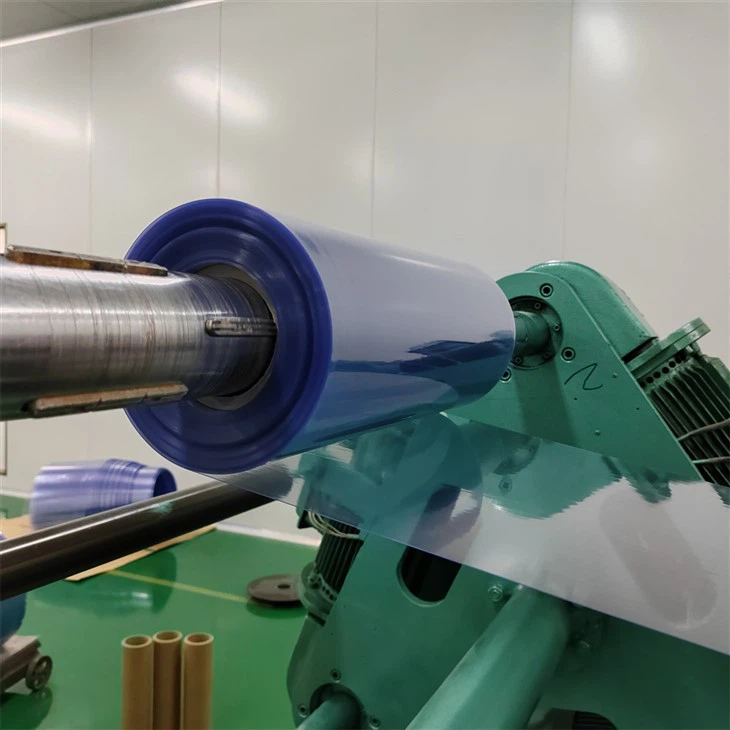

At Yangzhou Jinfeng New Material Co., Ltd., we manufacture Pharmaceutical PVC Film. With stable raw materials, advanced extrusion lines, and strict quality control, we help customers achieve consistent forming performance, reliable sealing, and high visual clarity.
Contact us today to discuss material selection, request samples, or receive technical support tailored to your application.