


Hey there! As a supplier of Matt Rigid Plastic PVC Sheets, I've gotten a ton of questions about what tools are needed to cut these sheets. So, I thought I'd put together this blog to share everything I know.
Understanding Matt Rigid Plastic PVC Sheets
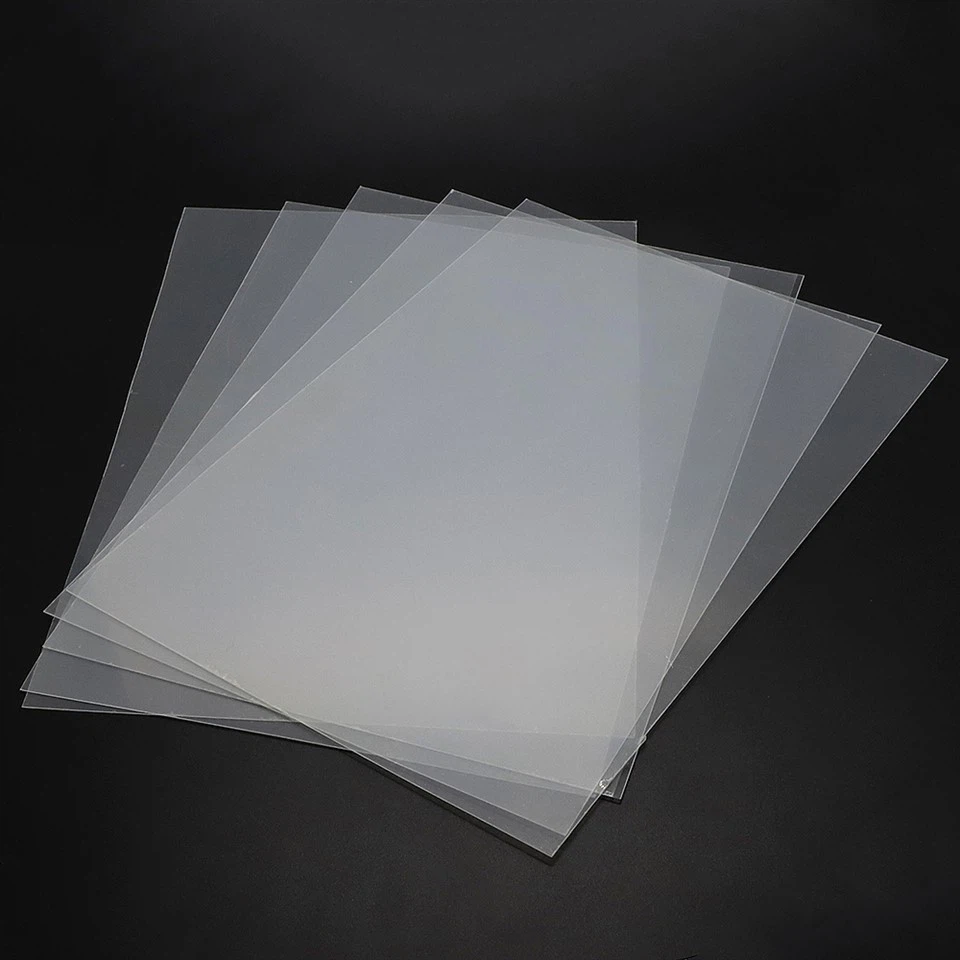
First off, let's talk a bit about the sheets we're dealing with. Our Matt Rigid Plastic PVC Sheet for Offset Printing, Rigid Matte Pvc Sheet For Printing, and Matt PVC Plastic Sheet with Multi - Colored are known for their durability, smooth finish, and versatility. They're used in a wide range of applications, from signage to display boards, and even in some DIY projects. But to get the most out of these sheets, you need to cut them properly.
Tools for Cutting Matt Rigid Plastic PVC Sheets
1. Utility Knife
A utility knife is probably the most basic and commonly used tool for cutting PVC sheets. It's affordable, easy to find, and relatively simple to use. You'll want to choose a utility knife with a sharp, replaceable blade. The sharp blade ensures a clean cut through the PVC sheet.
Here's how you use it: First, measure and mark the area where you want to cut on the PVC sheet. Then, place a straightedge or a ruler along the marked line. Hold the straightedge firmly in place and run the utility knife along it, applying firm pressure. You may need to make a few passes to cut all the way through, especially if the sheet is thick. One thing to note is that utility knives are better for thinner sheets. If you're dealing with thicker PVC sheets, you might run into issues with the blade not making a full cut.
2. Jigsaw
A jigsaw is a great tool for making curved or irregular cuts on Matt Rigid Plastic PVC Sheets. It has a reciprocating blade that moves up and down, allowing you to follow the shape you've drawn on the sheet.
Before you start cutting, make sure you have the right blade for cutting PVC. A fine - tooth blade works best as it reduces the chance of chipping. Secure the PVC sheet firmly to a workbench or a cutting surface to prevent it from moving while you're cutting. Then, start the jigsaw and slowly guide it along the marked line. Take your time, especially when making tight curves, to ensure an accurate cut.
3. Circular Saw
If you need to make long, straight cuts on large PVC sheets, a circular saw is the way to go. It's a powerful tool that can cut through thick sheets quickly.
When using a circular saw, choose a blade designed for cutting plastic. These blades usually have fewer teeth but are designed to prevent melting and chipping of the PVC. Set the depth of the blade so that it just cuts through the sheet. You should also use a push stick to keep your hands a safe distance from the blade. Just like with the other tools, secure the PVC sheet well on the cutting surface to prevent any movement issues.

4. Table Saw
A table saw is similar to a circular saw but is more stationary. It's excellent for making precise, straight cuts on a regular basis.
The great thing about a table saw is that it has a fence that helps you keep a straight line when cutting. You can set the width of the cut by adjusting the fence. As with the circular saw, use a blade made for cutting plastic. Make sure the blade is sharp and that the table saw is properly calibrated. Safety is key when using a table saw, so always wear safety goggles and keep your fingers away from the blade.
5. Band Saw
A band saw can be a good option for both straight and curved cuts. It has a continuous band of toothed metal that moves around two wheels.
For best results when cutting Matt Rigid Plastic PVC Sheets, use a fine - tooth band saw blade. This will give you a cleaner cut and reduce the amount of chipping. Secure the PVC sheet and slowly feed it into the band saw, following the marked line. Band saws are relatively easy to control, but you still need to be careful and take your time.
Tips for Cutting Matt Rigid Plastic PVC Sheets
- Safety First: Always wear safety goggles, gloves, and a dust mask when cutting PVC sheets. The cutting process can produce small plastic particles and dust that can be harmful if inhaled or get into your eyes.
- Mark Your Cuts Clearly: Use a marker or a pencil to mark the areas where you want to cut. This will help you stay on track and make accurate cuts.
- Test Cuts: If you're using a new tool or cutting a new type of PVC sheet, make a test cut on a scrap piece first. This will allow you to adjust the tool settings and get a feel for how the sheet cuts.
- Keep the Blades Sharp: Dull blades can cause rough cuts, chipping, and even melting of the PVC. Replace the blades regularly to ensure clean and efficient cuts.
Conclusion
Cutting Matt Rigid Plastic PVC Sheets can be a breeze if you have the right tools and follow the proper techniques. Whether you're a professional in the signage industry or a DIY enthusiast, having a good understanding of these tools will help you get the best results from our Matt Rigid Plastic PVC Sheet for Offset Printing, Rigid Matte Pvc Sheet For Printing, and Matt PVC Plastic Sheet with Multi - Colored.
If you're looking to purchase our high - quality Matt Rigid Plastic PVC Sheets for your next project, don't hesitate to reach out for a purchase discussion. We're here to help you find the right products and answer any questions you might have.
References
- General knowledge about PVC sheet cutting based on industry experience.
- Manufacturer's guidelines for using different cutting tools.