




As a supplier of PVC Colored Sheet for Decorating, I often get asked about the heat - resistance of these sheets. Heat - resistance is a crucial factor, especially when considering their use in various decorating applications. In this blog, I'll delve into the details of the heat - resistance of PVC colored sheets for decorating, exploring what it means, why it matters, and how it impacts your projects.
Understanding Heat - Resistance in PVC Colored Sheets
Heat - resistance refers to the ability of a material to withstand elevated temperatures without significant degradation in its physical or chemical properties. For PVC colored sheets used in decorating, this can involve maintaining their shape, color, and structural integrity when exposed to heat.

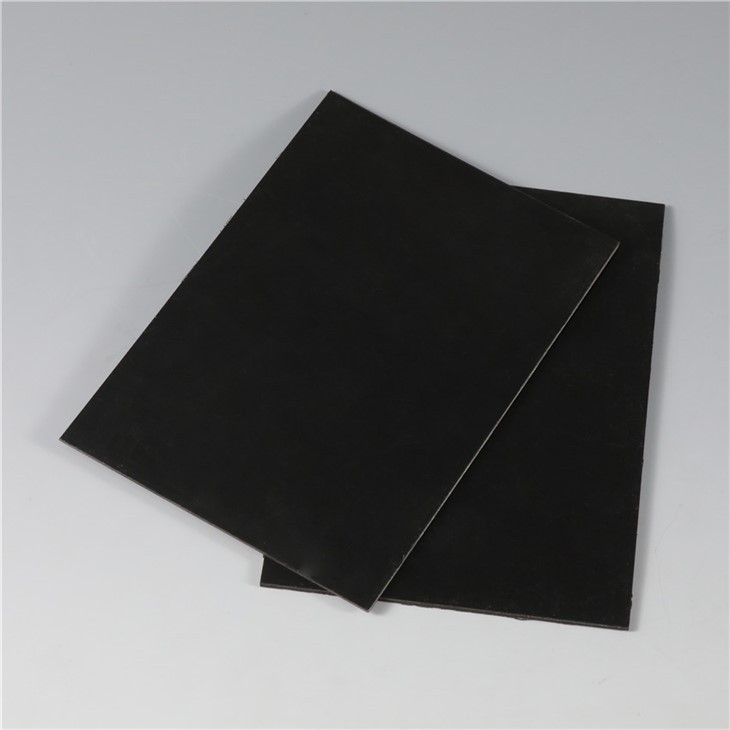
PVC, or polyvinyl chloride, is a thermoplastic polymer. This means that it can be softened by heat and then hardened again when cooled. However, the heat - resistance of PVC varies depending on several factors, including the formulation of the PVC resin, the additives used, and the manufacturing process.
Factors Affecting the Heat - Resistance of PVC Colored Sheets
1. PVC Resin Type
There are different types of PVC resins available, each with its own heat - resistance characteristics. For example, suspension PVC resin is commonly used in the production of rigid PVC sheets. The molecular structure of the resin can influence how well it can withstand heat. Higher - quality resins with more uniform molecular chains tend to have better heat - resistance.
2. Additives
Additives play a significant role in enhancing the heat - resistance of PVC colored sheets. Heat stabilizers are one of the most important additives. They prevent the PVC from degrading when exposed to heat. There are different types of heat stabilizers, such as lead - based, calcium - zinc - based, and organic - based stabilizers. Each type has its own advantages and limitations in terms of heat - resistance and environmental impact.
Plasticizers are another type of additive. They are used to make the PVC more flexible. However, some plasticizers can reduce the heat - resistance of the PVC. For decorating applications where heat - resistance is a priority, low - volatility plasticizers or even rigid PVC formulations without plasticizers may be used.
3. Manufacturing Process
The way the PVC colored sheets are manufactured can also affect their heat - resistance. Extrusion is a common manufacturing process for PVC sheets. During extrusion, the temperature and pressure conditions need to be carefully controlled. If the extrusion temperature is too high, it can cause premature degradation of the PVC, reducing its heat - resistance in the final product.
Importance of Heat - Resistance in Decorating Applications
1. Indoor Decorating
In indoor decorating, PVC colored sheets are often used for wall panels, ceiling tiles, and furniture surfaces. In areas where there is direct sunlight or near heat sources such as radiators or fireplaces, the sheets need to be able to withstand the heat without warping or discoloring. For example, if you install PVC wall panels in a room with large windows facing the sun, the panels should not deform or fade over time due to the heat from the sunlight.
2. Outdoor Decorating
When used for outdoor decorating, such as in garden fences, awnings, or exterior wall cladding, PVC colored sheets are exposed to a wider range of temperatures. They need to be able to endure high temperatures during hot summer days without losing their structural integrity. Extreme heat can cause the sheets to expand, and if they do not have sufficient heat - resistance, they may crack or buckle.
Testing the Heat - Resistance of PVC Colored Sheets
There are several standard tests used to evaluate the heat - resistance of PVC colored sheets. One common test is the Vicat softening temperature test. This test measures the temperature at which a flat - ended needle penetrates the PVC sheet to a specified depth under a given load. A higher Vicat softening temperature indicates better heat - resistance.
Another test is the heat deflection temperature test. This test determines the temperature at which a PVC sheet deflects a certain amount under a specific load. It gives an indication of how well the sheet can maintain its shape under heat and load.
Our PVC Colored Sheets and Their Heat - Resistance
At our company, we take great pride in offering high - quality PVC Colored Sheet for Decorating with excellent heat - resistance. Our sheets are made from premium PVC resins and are formulated with the latest heat - stabilizing additives.
We offer a wide range of products, including the White Opaque PVC Rigid Sheet and PVC Film Of Various Colors. These products have been rigorously tested to ensure they meet or exceed industry standards for heat - resistance.
Our PVC Colored Sheet for Decorating is suitable for both indoor and outdoor applications. Whether you are looking to decorate a modern office space or a cozy home, our sheets can provide the durability and aesthetic appeal you need, even in high - heat environments.
Conclusion
The heat - resistance of PVC colored sheets for decorating is a complex but important aspect to consider. By understanding the factors that affect heat - resistance, such as resin type, additives, and manufacturing processes, you can make more informed decisions when choosing PVC sheets for your decorating projects.
At our company, we are committed to providing you with the best - quality PVC colored sheets that offer excellent heat - resistance. If you are interested in our products and would like to discuss your specific requirements, please feel free to reach out to us. We are here to assist you in finding the perfect PVC sheets for your decorating needs.
References
- "Plastics Engineering Handbook of the Society of Plastics Engineers", edited by Joel R. Frados.
- ASTM International standards related to PVC testing, such as ASTM D1525 (Vicat softening temperature) and ASTM D648 (heat deflection temperature).