




Hey there! As a supplier of transparent PVC sheets, I often get asked about the gloss level of these versatile products. So, I thought I'd take a moment to break it down for you and explain what it means, how it affects your projects, and why it matters.
What is Gloss Level?
Let's start with the basics. Gloss level refers to the amount of light that is reflected off the surface of a material. In the case of transparent PVC sheets, it determines how shiny or matte the surface appears. Gloss levels are typically measured on a scale from 0 to 100, with 0 being completely matte and 100 being a mirror-like finish.
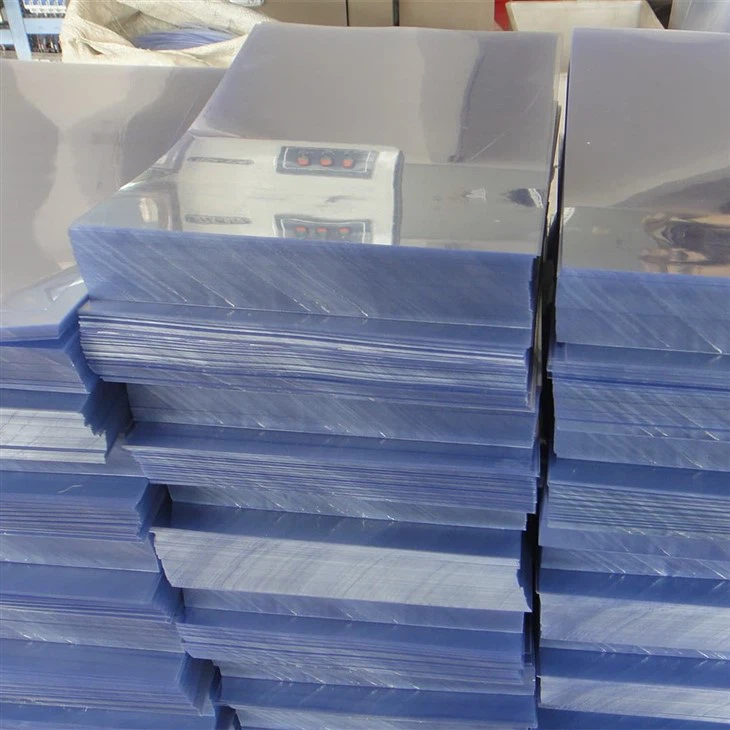
The gloss level of a transparent PVC sheet can have a significant impact on its appearance and functionality. A high-gloss finish will give the sheet a sleek, modern look that is perfect for applications where aesthetics are important, such as display cases, signage, and architectural features. On the other hand, a low-gloss or matte finish can reduce glare and reflections, making it ideal for applications where visibility is key, like computer monitors, control panels, and protective barriers.
Factors Affecting Gloss Level
Several factors can influence the gloss level of transparent PVC sheets. Here are some of the most important ones:
Manufacturing Process
The way the PVC sheet is manufactured plays a crucial role in determining its gloss level. Extrusion, calendering, and casting are the most common methods used to produce PVC sheets, and each process can result in a different surface finish. For example, extrusion tends to produce a smoother, higher-gloss surface, while calendering can create a more textured, lower-gloss finish.
Additives
Additives are often used in the production of PVC sheets to enhance their performance and appearance. Some additives, such as lubricants and stabilizers, can affect the gloss level of the sheet. For instance, a sheet with a high concentration of lubricant may have a lower gloss level due to the reduced surface friction.
Surface Treatment
After the PVC sheet is manufactured, it can be further treated to modify its gloss level. Common surface treatments include embossing, polishing, and coating. Embossing creates a textured surface that reduces gloss, while polishing can increase the gloss level by smoothing the surface. Coating can also be used to achieve a specific gloss level, depending on the type of coating applied.
Environmental Conditions
The environment in which the PVC sheet is used can also affect its gloss level over time. Exposure to sunlight, heat, humidity, and chemicals can cause the surface of the sheet to degrade, resulting in a loss of gloss. Therefore, it's important to choose a PVC sheet with a gloss level that is appropriate for the intended application and to take steps to protect the sheet from environmental damage.
Choosing the Right Gloss Level
Now that you understand what gloss level is and how it's affected, the next question is: how do you choose the right gloss level for your project? Here are some factors to consider:

Application
The first thing to think about is the intended application of the PVC sheet. If you're using the sheet for a display or decorative purpose, a high-gloss finish may be more appropriate to enhance its visual appeal. However, if the sheet will be used in an environment where glare and reflections are a problem, a low-gloss or matte finish may be a better choice.
Visibility
If visibility is a key concern, such as in a control panel or a monitor cover, a low-gloss finish can help reduce glare and improve readability. On the other hand, if the sheet is being used as a protective barrier or a window, a high-gloss finish may not be a problem as long as it doesn't cause excessive reflections.
Aesthetics
The overall aesthetic of your project is also an important consideration. A high-gloss finish can give your project a modern, sleek look, while a low-gloss finish can create a more subdued, professional appearance. Think about the style and theme of your project and choose a gloss level that complements it.
Durability
Finally, consider the durability of the PVC sheet. A high-gloss finish may be more prone to scratching and scuffing, which can affect its appearance over time. If the sheet will be exposed to rough handling or abrasive materials, a low-gloss finish may be more durable and require less maintenance.
Our Transparent PVC Sheets
As a supplier of transparent PVC sheets, we offer a wide range of gloss levels to meet the needs of different applications. Whether you're looking for a high-gloss finish for a stunning display or a low-gloss finish for a glare-free environment, we've got you covered.
Here are some of our popular products:
- Thick PVC Sheet Used for Vacuum forming: This thick PVC sheet is perfect for vacuum forming applications. It has a high-gloss finish that gives it a professional look and is available in a variety of thicknesses.
- Hard Transparent PVC A4 Sheet: Our hard transparent PVC A4 sheets are ideal for printing and signage. They have a smooth, high-gloss surface that provides excellent image clarity and color vibrancy.
- 1.0mm PVC Sheet With High Quality: This 1.0mm PVC sheet is a versatile option that can be used in a wide range of applications. It has a medium-gloss finish that strikes a balance between aesthetics and functionality.
Conclusion
In conclusion, the gloss level of transparent PVC sheets is an important factor to consider when choosing the right sheet for your project. It can affect the appearance, visibility, and durability of the sheet, so it's essential to choose a gloss level that is appropriate for your specific needs.
As a supplier of transparent PVC sheets, we're here to help you make the right choice. If you have any questions or need more information about our products, please don't hesitate to contact us. We'd be happy to assist you with your project and provide you with a quote.
Thanks for reading, and I hope this blog post has been helpful to you!
References
- ASTM D523 - Standard Test Method for Specular Gloss
- ISO 2813 - Paints and varnishes - Determination of specular gloss of non-metallic paint films at 20°, 60° and 85°
- PVC - Polyvinyl Chloride: Properties, Processing, and Applications by Norman C. Billingham and Carole T. Daniels