


Transparent PET thick plates have gained significant popularity in various industries due to their excellent optical properties, mechanical strength, and dimensional stability. As a leading supplier of Transparent PET thick plates, I often receive inquiries about their chemical resistance. In this blog post, I will delve into the chemical resistance of Transparent PET thick plates, exploring how they interact with different chemicals and their suitability for various applications.
Understanding Transparent PET Thick Plates
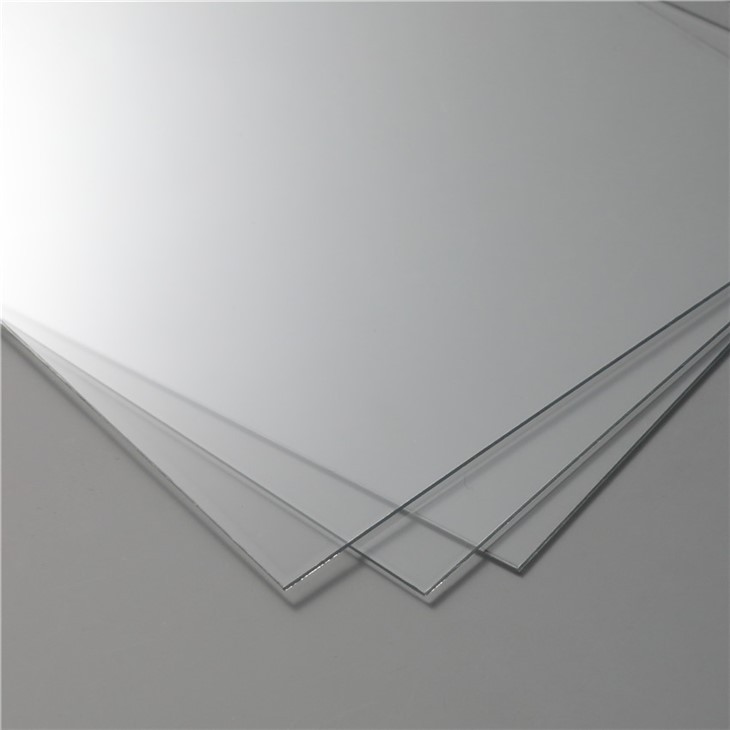
Before discussing chemical resistance, it's essential to understand what Transparent PET thick plates are. PET, or polyethylene terephthalate, is a thermoplastic polymer known for its high strength, clarity, and recyclability. Transparent PET thick plates are made by extruding PET resin into a thick sheet, which can be further processed into various shapes and sizes. These plates offer excellent transparency, allowing for clear visibility of the contents behind them, making them ideal for applications such as display cases, signage, and protective barriers.
Chemical Resistance of Transparent PET Thick Plates
The chemical resistance of Transparent PET thick plates depends on several factors, including the type of chemical, concentration, temperature, and exposure time. Generally, PET has good resistance to many common chemicals, including water, alcohols, and weak acids and bases. However, it may be susceptible to attack by certain solvents, strong acids, and alkalis.
Resistance to Water and Aqueous Solutions
Transparent PET thick plates have excellent resistance to water and aqueous solutions. They do not absorb water significantly, which helps maintain their dimensional stability and mechanical properties over time. This makes them suitable for applications in wet environments, such as food packaging, where contact with water or moisture is common.
Resistance to Alcohols
PET has good resistance to most alcohols, including ethanol and isopropanol. These solvents do not cause significant swelling or degradation of the PET material, making Transparent PET thick plates suitable for use in applications where contact with alcohols is likely, such as in the pharmaceutical and cosmetic industries.
Resistance to Weak Acids and Bases
Transparent PET thick plates can withstand exposure to weak acids and bases without significant damage. They have good resistance to acetic acid, citric acid, and dilute solutions of sodium hydroxide and potassium hydroxide. However, prolonged exposure to concentrated acids or bases may cause the PET to hydrolyze, leading to a loss of mechanical properties and transparency.
Susceptibility to Solvents
PET is susceptible to attack by certain solvents, such as ketones, esters, and chlorinated hydrocarbons. These solvents can dissolve or swell the PET material, causing it to lose its strength and transparency. Therefore, it is important to avoid contact with these solvents when using Transparent PET thick plates.
Resistance to Strong Acids and Alkalis
Transparent PET thick plates are not recommended for use in contact with strong acids or alkalis, such as sulfuric acid, nitric acid, and concentrated sodium hydroxide. These chemicals can cause rapid degradation of the PET material, leading to a loss of mechanical properties and transparency.
Applications Based on Chemical Resistance
The chemical resistance of Transparent PET thick plates makes them suitable for a wide range of applications in various industries. Some common applications include:

Food Packaging
Transparent PET thick plates are widely used in food packaging due to their excellent chemical resistance, transparency, and barrier properties. They can protect food products from moisture, oxygen, and other contaminants, helping to extend their shelf life. For example, PET trays and containers are commonly used for packaging fresh produce, meat, and dairy products.
Display Cases and Signage
The transparency and chemical resistance of Transparent PET thick plates make them ideal for use in display cases and signage. They can provide a clear view of the products on display while protecting them from dust, moisture, and other environmental factors. PET sheets can be easily cut, shaped, and printed on, allowing for customized designs and branding.
Protective Barriers
Transparent PET thick plates can be used as protective barriers in various applications, such as in laboratories, clean rooms, and industrial settings. They can provide a transparent and chemical-resistant barrier to protect workers and equipment from hazardous chemicals and contaminants.
Medical and Pharmaceutical Packaging
The chemical resistance and transparency of Transparent PET thick plates make them suitable for use in medical and pharmaceutical packaging. They can protect drugs and medical devices from moisture, oxygen, and other contaminants, helping to maintain their stability and efficacy. PET bottles and containers are commonly used for packaging tablets, capsules, and liquid medications.
Conclusion
In conclusion, Transparent PET thick plates offer excellent chemical resistance to many common chemicals, including water, alcohols, and weak acids and bases. However, they may be susceptible to attack by certain solvents, strong acids, and alkalis. When selecting Transparent PET thick plates for a specific application, it is important to consider the chemical environment, concentration, temperature, and exposure time to ensure that the material will perform satisfactorily.
As a supplier of Transparent PET thick plates, we offer a wide range of products with different thicknesses, sizes, and properties to meet the diverse needs of our customers. Our products are manufactured using high-quality PET resin and advanced extrusion technology, ensuring excellent optical clarity, mechanical strength, and chemical resistance. If you are interested in learning more about our Transparent PET thick plates or have any questions about their chemical resistance, please do not hesitate to contact us. We look forward to discussing your requirements and providing you with the best solutions for your application.
References
- ASTM D543 - Standard Test Methods for Evaluating the Resistance of Plastics to Chemical Reagents
- ISO 10365 - Plastics - Determination of the Compatibility of Plasticizers with Polymers by Measurement of Changes in Mass and Dimensional Properties
For more information on our products, you can visit the following links:
If you are interested in purchasing our Transparent PET thick plates or have any questions regarding chemical resistance or other product specifications, feel free to reach out to us for a detailed discussion and to initiate a procurement process. We are eager to assist you in finding the perfect solution for your specific needs.