




As a supplier of transparent PVC sheets, I often encounter inquiries about the chemical composition of these versatile products. Transparent PVC sheets are widely used in various industries, from packaging to construction, due to their excellent clarity, durability, and flexibility. In this blog post, I will delve into the chemical composition of transparent PVC sheets, explaining the key components and their roles in determining the properties of the material.
The Basics of PVC
PVC, or polyvinyl chloride, is a synthetic polymer made from the polymerization of vinyl chloride monomers. It is one of the most widely used plastics in the world, known for its versatility, durability, and cost-effectiveness. PVC can be produced in various forms, including rigid and flexible, depending on the additives used during the manufacturing process.
Key Components of Transparent PVC Sheets
The chemical composition of transparent PVC sheets typically includes the following key components:
Vinyl Chloride Monomer (VCM)
Vinyl chloride monomer is the basic building block of PVC. It is a colorless, flammable gas that is polymerized under controlled conditions to form PVC resin. The quality and purity of the VCM used in the production of PVC sheets can significantly affect the final properties of the material, such as clarity, strength, and chemical resistance.
Plasticizers
Plasticizers are additives used to increase the flexibility and durability of PVC sheets. They work by reducing the intermolecular forces between the PVC chains, allowing them to move more freely and making the material more pliable. Common plasticizers used in transparent PVC sheets include phthalates, adipates, and trimellitates. The choice of plasticizer depends on the specific application requirements, such as flexibility, heat resistance, and environmental compatibility.
Stabilizers
Stabilizers are added to PVC sheets to prevent degradation caused by heat, light, and oxygen. They help to maintain the integrity and performance of the material over time, especially in harsh environmental conditions. Common stabilizers used in transparent PVC sheets include lead-based stabilizers, calcium-zinc stabilizers, and organotin stabilizers. The type and amount of stabilizer used depend on the processing conditions and the intended use of the PVC sheets.
Lubricants
Lubricants are used to improve the processing properties of PVC sheets, such as flowability and mold release. They reduce the friction between the PVC resin and the processing equipment, making it easier to shape and form the material. Common lubricants used in transparent PVC sheets include fatty acids, waxes, and metallic soaps. The choice of lubricant depends on the processing method and the desired surface finish of the PVC sheets.
Fillers
Fillers are sometimes added to PVC sheets to reduce costs, improve mechanical properties, and enhance the appearance of the material. They can also help to improve the dimensional stability and fire resistance of the PVC sheets. Common fillers used in transparent PVC sheets include calcium carbonate, talc, and glass fibers. The type and amount of filler used depend on the specific application requirements and the desired properties of the PVC sheets.
How the Chemical Composition Affects the Properties of Transparent PVC Sheets
The chemical composition of transparent PVC sheets plays a crucial role in determining their properties and performance. Here are some of the key properties affected by the chemical composition:
Clarity
The clarity of transparent PVC sheets is primarily determined by the quality and purity of the PVC resin and the absence of impurities or additives that can scatter light. The use of high-quality VCM and the careful selection of additives can help to achieve excellent clarity and transparency in the PVC sheets.
Flexibility
The flexibility of transparent PVC sheets is mainly influenced by the type and amount of plasticizer used. Plasticizers reduce the stiffness of the PVC resin, making the material more flexible and pliable. The choice of plasticizer depends on the desired level of flexibility and the specific application requirements.
Durability
The durability of transparent PVC sheets is affected by the presence of stabilizers and other additives that protect the material from degradation caused by heat, light, and oxygen. Stabilizers help to prevent the PVC resin from breaking down over time, ensuring that the sheets maintain their mechanical properties and appearance.
Chemical Resistance
The chemical resistance of transparent PVC sheets is determined by the type and amount of additives used, as well as the structure of the PVC resin. PVC sheets can be formulated to resist a wide range of chemicals, including acids, bases, solvents, and oils. The choice of additives depends on the specific chemical environment in which the PVC sheets will be used.
Applications of Transparent PVC Sheets
Transparent PVC sheets are used in a wide range of applications, including:
Packaging
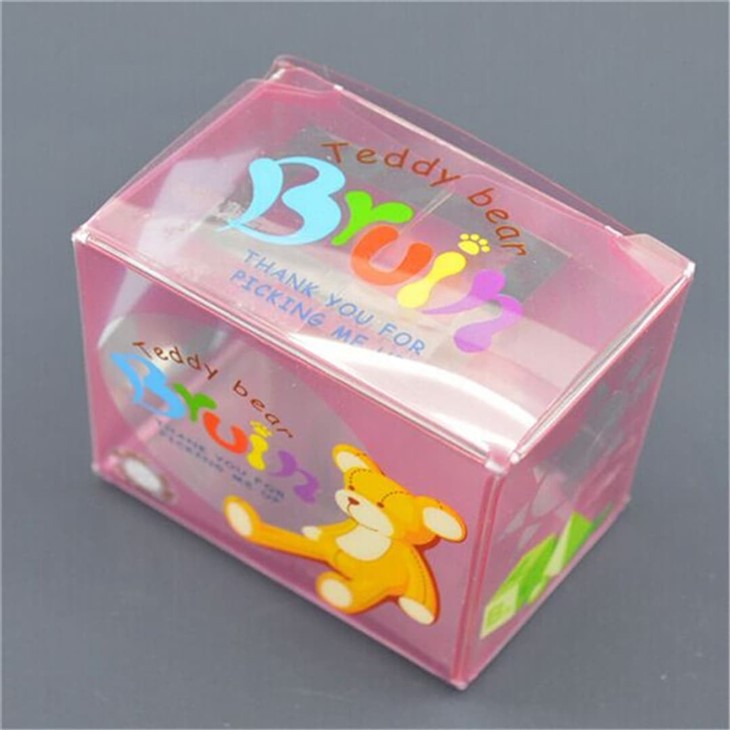
Transparent PVC sheets are commonly used in packaging applications, such as blister packs, clamshells, and folding boxes. Their excellent clarity and flexibility make them ideal for showcasing products while providing protection and durability. Check out our PVC Transparent Rigid Clear Product Plastic Sheet For Folding Box Manufacture for high-quality packaging solutions.
Signage and Displays
Transparent PVC sheets are also used in signage and display applications, such as point-of-sale displays, exhibition stands, and window graphics. Their transparency and printability make them a popular choice for creating eye-catching and informative displays.
Construction
In the construction industry, transparent PVC sheets are used for applications such as skylights, partitions, and glazing. Their durability, weather resistance, and insulation properties make them suitable for both interior and exterior use.
Industrial Applications
Transparent PVC sheets are used in various industrial applications, such as machine guards, protective barriers, and conveyor belts. Their chemical resistance and mechanical properties make them ideal for use in harsh industrial environments.

Our Product Range
As a supplier of transparent PVC sheets, we offer a wide range of products to meet the diverse needs of our customers. Our product range includes:
- 0.3 0.5mm Glossy Clear Transparent PVC Film PVC Plastic Sheet Rolls For Vacuum Forming: These sheets are suitable for vacuum forming applications, offering excellent clarity and gloss.
- 0.35mm Clear Printable Rigid Transparent Clear PVC Folding Plastic Sheet For Folding Boxes: These sheets are designed for folding box manufacture, providing high printability and rigidity.
Contact Us for Procurement
If you are interested in purchasing transparent PVC sheets for your specific application, we would be happy to assist you. Our team of experts can provide you with detailed information about our products, help you select the right type of PVC sheets for your needs, and offer competitive pricing and excellent customer service. Contact us today to start the procurement process and discuss your requirements.
References
- Billmeyer, F. W., & Saltzman, M. (1999). Textbook of Polymer Science. Wiley-Interscience.
- Carraher, C. E. (2003). Polymer Chemistry. Marcel Dekker.
- Mark, H. F., Bikales, N. M., Overberger, C. G., & Menges, G. (Eds.). (1996). Encyclopedia of Polymer Science and Engineering. Wiley.