



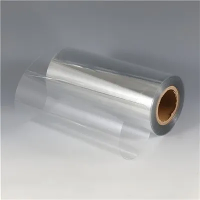


As a supplier of Matt Rigid Plastic PET Sheet, I've been frequently asked about the aging resistance of this remarkable material. In this blog, I'll delve into what aging resistance means for Matt Rigid Plastic PET Sheet, its importance, and the factors that influence it.
Understanding Aging Resistance
Aging resistance refers to a material's ability to maintain its physical and chemical properties over time when exposed to various environmental factors. For Matt Rigid Plastic PET Sheet, these environmental factors can include sunlight, heat, humidity, oxygen, and chemicals. A high - aging - resistant sheet will not significantly degrade in terms of appearance, mechanical strength, or other key characteristics.
Why Aging Resistance Matters
In many applications, the longevity of the product is crucial. For example, when used in Frosted PET Stationery Cover, a high - aging - resistant Matt Rigid Plastic PET Sheet ensures that the stationery cover remains in good condition for a long time. It won't yellow, crack, or lose its matte finish easily, which is essential for maintaining the aesthetic appeal of the stationery.
Similarly, in the case of Pet Frosted Plastic Box, aging resistance is vital. These boxes are often used to store various items, and if the material ages quickly, it can compromise the integrity of the box and potentially damage the contents.
Factors Affecting the Aging Resistance of Matt Rigid Plastic PET Sheet
1. UV Exposure
Ultraviolet (UV) rays from the sun are one of the most significant factors that can cause aging in Matt Rigid Plastic PET Sheet. UV rays can break the chemical bonds in the PET material, leading to discoloration, embrittlement, and a reduction in mechanical strength. To enhance the UV resistance of the sheet, additives such as UV stabilizers can be incorporated during the manufacturing process. These stabilizers absorb or reflect UV rays, preventing them from causing damage to the PET structure.
2. Temperature
High temperatures can accelerate the aging process of Matt Rigid Plastic PET Sheet. When exposed to elevated temperatures for extended periods, the material may undergo thermal degradation. This can result in changes in the sheet's shape, a decrease in its hardness, and a loss of transparency in some cases. On the other hand, extremely low temperatures can make the sheet more brittle and prone to cracking. Therefore, proper temperature control during storage and use is essential to maintain the aging resistance of the sheet.
3. Humidity
Humidity can also have an impact on the aging of Matt Rigid Plastic PET Sheet. High humidity levels can cause the sheet to absorb moisture, which may lead to swelling and a decrease in mechanical properties. Additionally, in the presence of moisture, certain chemical reactions may occur more readily, accelerating the degradation of the material. To mitigate the effects of humidity, the sheet can be coated with moisture - resistant layers or stored in a dry environment.
4. Chemical Exposure
Exposure to various chemicals can damage Matt Rigid Plastic PET Sheet. For example, strong acids or alkalis can react with the PET material, causing it to dissolve or lose its structural integrity. Even some common solvents can have a negative impact on the sheet. When using the sheet in environments where chemical exposure is likely, it's important to choose a sheet with appropriate chemical resistance or take measures to protect it from chemical contact.


Measuring the Aging Resistance of Matt Rigid Plastic PET Sheet
There are several methods to measure the aging resistance of Matt Rigid Plastic PET Sheet. One common approach is accelerated aging testing. In this method, the sheet is exposed to harsh environmental conditions, such as high - intensity UV light, elevated temperatures, and high humidity, for a relatively short period. By comparing the properties of the sheet before and after the accelerated aging test, such as its color, mechanical strength, and surface appearance, an assessment of its aging resistance can be made.
Another method is long - term field testing. This involves placing the sheet in a real - world environment and monitoring its performance over an extended period. While this method provides more accurate results, it is time - consuming and requires a significant amount of resources.
Benefits of High - Aging - Resistant Matt Rigid Plastic PET Sheet
A high - aging - resistant Matt Rigid Plastic PET Sheet offers several benefits. Firstly, it reduces the need for frequent replacement, which can save costs in the long run. For businesses, this means lower maintenance and replacement expenses. Secondly, it enhances the reliability of products made from the sheet. Whether it's a stationery cover or a plastic box, customers can trust that the product will maintain its quality over time.
Our Commitment as a Supplier
As a supplier of Matt Rigid Plastic PET Sheet, we are committed to providing high - quality products with excellent aging resistance. We use advanced manufacturing techniques and carefully select raw materials to ensure that our sheets can withstand various environmental challenges. Our R & D team is constantly working on improving the aging resistance of our products by exploring new additives and manufacturing processes.
Contact Us for Procurement
If you are interested in purchasing Matt Rigid Plastic PET Sheet for your applications, we would be delighted to have a discussion with you. Our team of experts can provide you with detailed information about our products, including their aging resistance properties, and help you choose the most suitable sheet for your needs. Whether you need sheets for stationery covers, plastic boxes, or other applications, we have the right solution for you.
References
- ASTM International. (20XX). Standard test methods for evaluating the aging resistance of plastics.
- Smith, J. (20XX). The impact of environmental factors on the aging of plastic materials. Journal of Polymer Science.
- Brown, A. (20XX). Improving the aging resistance of PET sheets through additive technology. Plastics Engineering Magazine.