




What are the food - grade requirements for transparent PET printing?
As a supplier of Transparent PET for Printing, I understand the significance of meeting the food - grade requirements when it comes to transparent PET printing. Transparent PET (Polyethylene Terephthalate) is a widely used plastic material in various industries, especially in food packaging due to its excellent clarity, strength, and chemical resistance. However, when it comes to printing on food - grade transparent PET, there are specific requirements that must be met to ensure the safety of the food products.
1. Material Purity
The base material of food - grade transparent PET must be of high purity. It should be free from any harmful substances such as heavy metals (e.g., lead, mercury, cadmium), phthalates, and other toxic chemicals. These substances can leach into the food products over time, posing a serious health risk to consumers. As a supplier, we ensure that our Transparent PET Plastic Sheet is manufactured using high - quality raw materials that comply with strict international standards for food contact materials.
The manufacturing process also plays a crucial role in maintaining material purity. We use advanced production techniques that minimize the introduction of impurities during the extrusion and forming processes. This includes using clean production environments, proper filtration systems, and strict quality control measures at every stage of production.
2. Printing Inks
The inks used for printing on food - grade transparent PET must be specifically formulated for food contact applications. These inks should be non - toxic, odorless, and have low migration properties. Migration refers to the transfer of ink components from the printed surface to the food product. High - migration inks can contaminate the food and cause health problems.
There are two main types of inks suitable for food - grade PET printing: water - based inks and UV - curable inks. Water - based inks are environmentally friendly and have low levels of volatile organic compounds (VOCs). They are also less likely to migrate compared to solvent - based inks. UV - curable inks, on the other hand, cure quickly under ultraviolet light, forming a strong and durable print. They have excellent chemical resistance and low migration potential.
When selecting inks, it is important to work with ink suppliers who can provide detailed information about the ink's composition, migration levels, and compliance with food safety regulations. We recommend using inks that have been tested and approved by relevant regulatory authorities such as the Food and Drug Administration (FDA) in the United States or the European Food Safety Authority (EFSA) in Europe.
3. Adhesion and Durability
The printed image on the transparent PET must have good adhesion to the surface. Poor adhesion can lead to the ink peeling off or flaking, which not only affects the appearance of the packaging but also poses a risk of ink contamination in the food. To ensure good adhesion, the surface of the PET must be properly treated before printing. This can involve processes such as corona treatment, which increases the surface energy of the PET, allowing the ink to adhere more effectively.

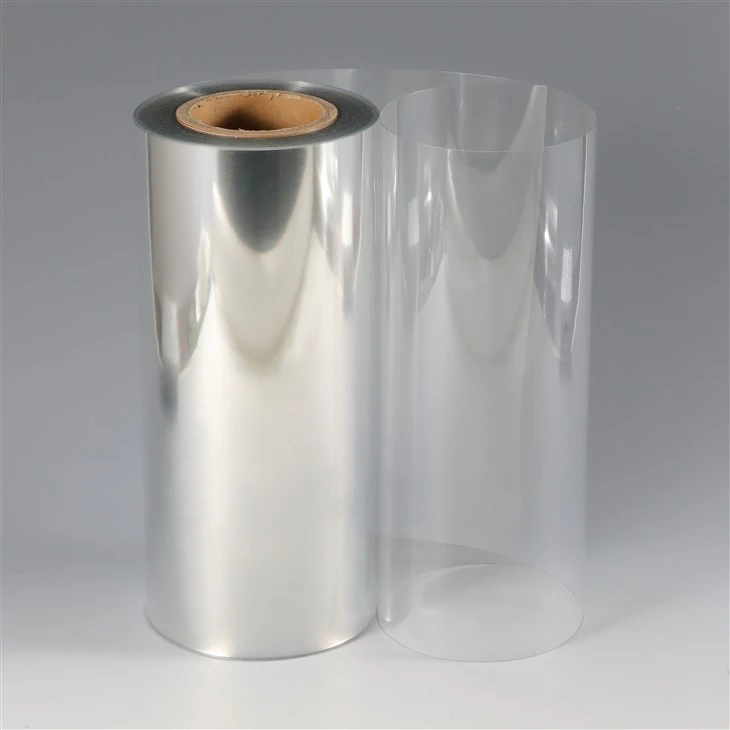
In addition to adhesion, the printed image must be durable. It should be able to withstand normal handling, storage, and transportation conditions without fading, smudging, or being damaged. This is especially important for food packaging, which may be exposed to moisture, heat, and mechanical stress. Our Transparent APET Sheet For Folding Boxes And Printing is designed to provide a stable surface for printing, ensuring long - lasting and high - quality prints.
4. Regulatory Compliance
Meeting regulatory requirements is essential for food - grade transparent PET printing. Different countries and regions have their own set of regulations regarding food contact materials. In the United States, the FDA has established strict guidelines for the use of plastics and printing inks in food packaging. In Europe, the EU has a comprehensive framework of regulations, including Directive 2002/72/EC, which sets out the requirements for plastic materials and articles intended to come into contact with food.
As a supplier, we are committed to ensuring that our products comply with all relevant regulations. We regularly test our materials and printed products to ensure that they meet the safety and quality standards set by regulatory authorities. This includes conducting migration tests, chemical analyses, and microbiological tests to ensure that the products are safe for food contact.
5. Labeling and Traceability
Proper labeling is also an important aspect of food - grade transparent PET printing. The packaging should clearly indicate that it is suitable for food contact. This can include information such as "Food - grade packaging" or similar statements. In addition, the packaging should provide information about the materials used, the printing inks, and any special handling or storage instructions.
Traceability is another crucial factor. It is important to be able to trace the origin of the materials and the printing process in case of any quality or safety issues. We maintain detailed records of our production processes, including the raw materials used, the printing parameters, and the quality control results. This allows us to quickly identify and address any problems that may arise.
Encouraging Contact for Purchase and Negotiation
If you are in the market for high - quality food - grade transparent PET for printing, we are here to help. Our products, including Transparent PET Thick Plate, are designed to meet the strictest food - grade requirements. We have a team of experienced professionals who can provide you with detailed information about our products and help you choose the right solution for your specific needs.
Whether you are a small - scale food producer or a large - scale packaging manufacturer, we can offer competitive prices and excellent customer service. We are dedicated to providing you with the best products and ensuring that your packaging meets all the necessary safety and quality standards.
If you have any questions or would like to discuss your requirements further, please feel free to contact us. We look forward to working with you to create safe and attractive food packaging solutions.
References
- European Food Safety Authority (EFSA). Guidance on the risk assessment of substances in contact with food.
- US Food and Drug Administration (FDA). Code of Federal Regulations, Title 21, Part 177 - Indirect Food Additives: Polymers.
- Directive 2002/72/EC of the European Parliament and of the Council relating to plastic materials and articles intended to come into contact with foodstuffs.