


As a provider of transparent rigid PETG sheets, I've witnessed firsthand the profound influence of temperature changes on these versatile materials. PETG, or polyethylene terephthalate glycol-modified, is a thermoplastic known for its clarity, toughness, and ease of processing. In this blog post, I'll delve into the various effects that temperature fluctuations can have on transparent rigid PETG sheets, shedding light on important considerations for anyone working with or using these materials.
Physical Properties Alteration
Thermal Expansion
One of the most noticeable effects of temperature changes on PETG sheets is thermal expansion. Like many materials, PETG expands when heated and contracts when cooled. This characteristic is described by its coefficient of thermal expansion (CTE). For PETG, the CTE typically ranges from approximately 1.1 x 10^-4 to 1.3 x 10^-4 cm/cm/°C.
When a PETG sheet is exposed to higher temperatures, the molecules within the material gain kinetic energy and start to move more freely, causing the sheet to expand. Conversely, at lower temperatures, the molecular motion slows down, leading to contraction. This expansion and contraction can pose challenges in applications where dimensional stability is crucial. For example, in precision manufacturing or packaging where tight tolerances are required, significant temperature variations can cause the PETG sheet to deviate from the desired dimensions. This might result in improper fitting of parts or packages, potentially leading to product failures or aesthetic issues.
Brittleness and Flexibility Changes
Temperature also has a significant impact on the mechanical properties of PETG sheets, specifically their brittleness and flexibility. At lower temperatures, PETG becomes more brittle. The reduced molecular mobility restricts the material's ability to deform plastically, making it more prone to cracking or breaking under stress. This is a critical consideration in cold environments or applications where the sheets may be exposed to sudden impacts at low temperatures.
On the other hand, at higher temperatures, PETG becomes more flexible. The increased molecular mobility allows the material to deform more easily without fracturing. This property can be advantageous in certain applications, such as thermoforming, where the sheet needs to be molded into complex shapes. However, excessive heat can also lead to over - softening, causing the sheet to lose its structural integrity. For instance, if a PETG sheet used in a structural support application is exposed to high temperatures for an extended period, it may sag or deform, compromising its functionality.
Optical Properties Variation
Clarity and Haze
The optical properties of transparent rigid PETG sheets, such as clarity and haze, can be affected by temperature changes. Haze refers to the amount of light scattered when passing through the material. When the temperature rises, the molecular structure of PETG undergoes changes, which can cause an increase in light scattering. This often results in a slight decrease in clarity and an increase in haze.
For applications where optical clarity is of utmost importance, such as in window displays or optical lenses made from PETG, any change in haze can be a significant concern. Customers expect a high - level of transparency, and even a minor increase in haze can degrade the aesthetic appeal and functionality of the product. On the contrary, at lower temperatures, the molecular structure becomes more ordered, which generally maintains or slightly improves the clarity of the sheet, but as mentioned earlier, the increased brittleness can be a problem in these conditions.
Chemical Resistance and Degradation
Chemical Reactivity
Temperature can also influence the chemical resistance of PETG sheets. In general, higher temperatures can increase the chemical reactivity of the material. Some chemicals that may not react with PETG at room temperature can start to have an effect at elevated temperatures. For example, certain solvents that are normally considered safe for PETG at room temperature may cause swelling or stress cracking if the sheet is exposed to them at higher temperatures.

This is an important factor to consider in applications where the PETG sheet may come into contact with chemicals, such as in chemical storage containers or industrial equipment. Manufacturers need to carefully assess the temperature conditions and the types of chemicals involved to ensure the long - term performance and integrity of the PETG sheets.
Degradation
Prolonged exposure to high temperatures can accelerate the degradation process of PETG. The polymer chains in PETG can break down over time when exposed to heat, leading to a reduction in mechanical properties and a change in color. This degradation can cause the sheet to become weaker, more brittle, and may also result in a yellowing effect.
For applications where the PETG sheet needs to maintain its performance and appearance over a long period, such as outdoor signage or long - term product packaging, it is essential to control the temperature environment to minimize degradation. Additionally, additives can be used in the manufacturing process to improve the heat resistance and stability of the PETG sheets.
Applications and Considerations
Packaging Applications
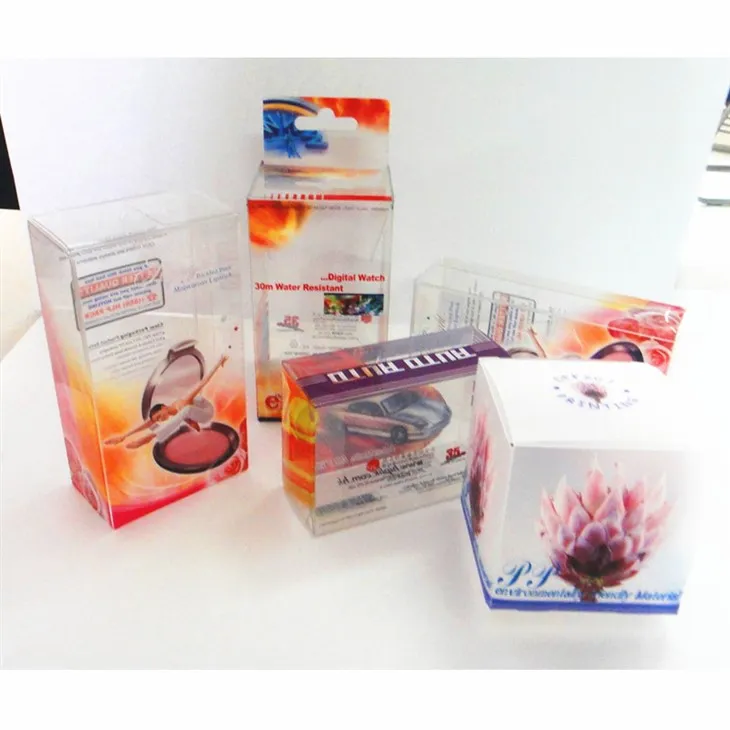
In the packaging industry, temperature changes can have a direct impact on the performance of PETG sheets. For products like Rigid PETG Sheet for Folding Box and PETG Sheet Like Window for Box Packaging, the ability to withstand temperature variations is crucial.
During transportation and storage, packages may be exposed to a wide range of temperatures. If the PETG sheets used in the packaging are not designed to handle these temperature changes, they may crack, deform, or lose their clarity. For example, if a cold - stored product is shipped in a PETG - wrapped package and then exposed to high temperatures during transit, the sheet may expand and cause the package to lose its shape, potentially damaging the contents inside.
Printing Applications
In printing, PETG sheets offer excellent surface quality for high - resolution printing. However, temperature changes can affect the printing process and the final print quality. Rigid PETG Plastic Sheet for Printing needs to maintain a stable physical state during the printing operation.
At high temperatures, the sheet may become too soft, causing the ink to spread or bleed, resulting in a blurred print. On the other hand, at low temperatures, the brittleness of the sheet may cause it to crack during printing, especially if there is any mechanical stress involved in the printing equipment. It is essential to control the temperature in the printing environment to ensure consistent and high - quality prints on PETG sheets.
Conclusion and Call to Action
Understanding the effects of temperature changes on transparent rigid PETG sheets is crucial for manufacturers, designers, and end - users alike. By being aware of these effects, we can make informed decisions about material selection, product design, and usage conditions to ensure the optimal performance and longevity of PETG - based products.
If you are in the market for high - quality transparent rigid PETG sheets that are designed to withstand temperature variations and meet your specific requirements, we are here to help. Our team of experts can provide you with detailed information about our products, assist you in choosing the right material for your application, and support you throughout the purchasing process. Contact us today to start a conversation about your PETG sheet needs and explore how our materials can benefit your business.
References
- "Plastics Engineering Handbook," Edited by Myer Kutz, John Wiley & Sons, Inc.
- "Thermoplastics in Medical Devices: Properties, Requirements, and Applications" by Joseph L. Shuster, William Andrew Publishing