




Hey there! I'm a supplier of PET film sheets, and today I'm gonna share with you how to weld PET film sheets. PET, or polyethylene terephthalate, is a popular plastic material known for its clarity, strength, and chemical resistance. It's widely used in various industries, from packaging to electronics. Welding PET film sheets can be a bit tricky, but with the right techniques and tools, you can achieve a strong and reliable bond.

Understanding PET Film Sheets
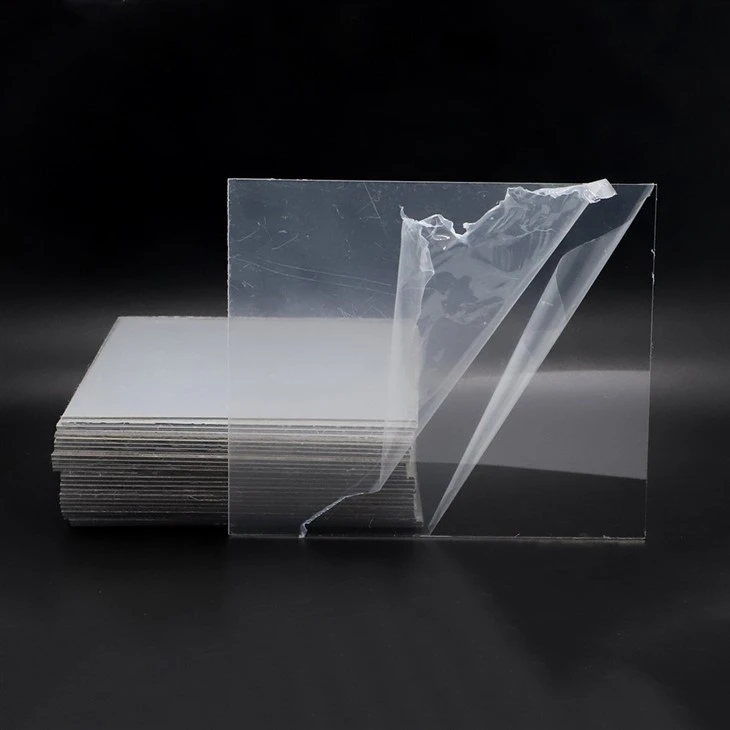
Before we dive into the welding process, let's take a quick look at PET film sheets. These sheets come in different thicknesses, sizes, and finishes, depending on the application. For example, Hot supply Pet Sheet Transparent Film For Window Piece is great for window applications, offering excellent transparency and durability. On the other hand, Apet Rigid Transparent Plastic Sheet is more rigid and suitable for structural uses. And if you're in the food packaging industry, Hot Sale Pet Film For Food Packaging (Multiple Extrusion) is a top choice, providing a safe and hygienic solution.
Preparing for Welding
The first step in welding PET film sheets is to prepare the materials and the workspace. Here's what you need to do:
- Clean the Surfaces: Make sure the surfaces of the PET film sheets are clean and free of dust, dirt, and grease. You can use a mild detergent and a soft cloth to wipe them down. Then, dry the sheets thoroughly to prevent any moisture from affecting the welding process.
- Cut the Sheets to Size: Measure and cut the PET film sheets to the desired size and shape. Use a sharp utility knife or a pair of scissors to make clean, straight cuts. Make sure the edges are smooth and free of burrs.
- Choose the Right Welding Method: There are several methods for welding PET film sheets, including hot air welding, ultrasonic welding, and laser welding. Each method has its own advantages and disadvantages, so choose the one that best suits your needs and the equipment you have available.
- Gather the Necessary Tools and Equipment: Depending on the welding method you choose, you'll need different tools and equipment. For hot air welding, you'll need a hot air gun, a welding rod, and a pair of pliers. For ultrasonic welding, you'll need an ultrasonic welding machine. And for laser welding, you'll need a laser welding system. Make sure you have all the necessary tools and equipment before you start welding.
Hot Air Welding
Hot air welding is one of the most common methods for welding PET film sheets. Here's how it works:
- Set the Temperature: Adjust the temperature of the hot air gun to the appropriate setting for PET film sheets. The recommended temperature range is between 250°C and 300°C.
- Prepare the Welding Rod: Cut a piece of welding rod to the appropriate length. The welding rod should be made of the same material as the PET film sheets.
- Heat the Surfaces: Hold the hot air gun about 1-2 inches away from the surfaces of the PET film sheets and move it back and forth evenly to heat them up. Make sure the surfaces are heated evenly to a temperature of about 250°C.
- Apply the Welding Rod: Once the surfaces are heated, insert the welding rod into the joint between the two PET film sheets. Use the hot air gun to melt the welding rod and the surfaces of the PET film sheets together. Move the welding rod along the joint slowly and steadily, applying pressure with a pair of pliers to ensure a strong bond.
- Cool the Weld: After you've finished welding, let the weld cool down for a few minutes before handling the PET film sheets. This will allow the weld to solidify and strengthen.
Ultrasonic Welding
Ultrasonic welding is a fast and efficient method for welding PET film sheets. Here's how it works:
- Place the PET Film Sheets in the Welding Machine: Place the two PET film sheets on the welding table of the ultrasonic welding machine. Make sure the surfaces are clean and free of dust, dirt, and grease.
- Set the Welding Parameters: Adjust the welding parameters of the ultrasonic welding machine, including the amplitude, the pressure, and the welding time. The recommended amplitude range is between 20 and 40 microns, the pressure range is between 2 and 5 bar, and the welding time range is between 0.5 and 2 seconds.
- Start the Welding Process: Press the start button on the ultrasonic welding machine to start the welding process. The ultrasonic vibrations will generate heat at the interface between the two PET film sheets, melting them together and creating a strong bond.
- Remove the Welded PET Film Sheets: After the welding process is complete, remove the welded PET film sheets from the welding machine. Let the weld cool down for a few minutes before handling the PET film sheets.
Laser Welding
Laser welding is a precise and accurate method for welding PET film sheets. Here's how it works:
- Set up the Laser Welding System: Set up the laser welding system according to the manufacturer's instructions. Make sure the laser beam is focused on the joint between the two PET film sheets.
- Place the PET Film Sheets in the Welding Area: Place the two PET film sheets in the welding area of the laser welding system. Make sure the surfaces are clean and free of dust, dirt, and grease.
- Set the Laser Parameters: Adjust the laser parameters, including the power, the pulse duration, and the welding speed. The recommended power range is between 10 and 50 watts, the pulse duration range is between 1 and 10 milliseconds, and the welding speed range is between 10 and 100 mm/s.
- Start the Welding Process: Press the start button on the laser welding system to start the welding process. The laser beam will melt the surfaces of the PET film sheets together, creating a strong and precise bond.
- Cool the Weld: After you've finished welding, let the weld cool down for a few minutes before handling the PET film sheets. This will allow the weld to solidify and strengthen.
Post-Welding Inspection
After you've finished welding the PET film sheets, it's important to inspect the weld to make sure it's strong and reliable. Here's what you need to do:
- Check the Appearance of the Weld: Look at the weld to make sure it's smooth, even, and free of cracks, holes, or other defects. The weld should be the same color as the PET film sheets and should blend in seamlessly with the surrounding surfaces.
- Test the Strength of the Weld: Apply a small amount of pressure to the weld to test its strength. The weld should be able to withstand a reasonable amount of pressure without breaking or separating.
- Check the Sealing Performance of the Weld: If the PET film sheets are being used for a sealing application, check the sealing performance of the weld. The weld should be able to prevent the leakage of air, water, or other substances.
Tips and Tricks
Here are some tips and tricks to help you achieve the best results when welding PET film sheets:
- Practice on Scrap Pieces: Before you start welding the actual PET film sheets, practice on some scrap pieces to get a feel for the welding process and the equipment. This will help you avoid making mistakes and ensure a successful weld.
- Use a Welding Template: If you're welding a complex shape or pattern, use a welding template to guide you. This will help you ensure that the weld is straight and accurate.
- Keep the Welding Area Clean: Make sure the welding area is clean and free of dust, dirt, and grease. This will help prevent the weld from being contaminated and ensure a strong and reliable bond.
- Wear Protective Gear: When welding PET film sheets, wear protective gear, such as safety glasses, gloves, and a respirator. This will help protect you from the heat, the fumes, and the UV radiation generated by the welding process.
Conclusion
Welding PET film sheets can be a bit tricky, but with the right techniques and tools, you can achieve a strong and reliable bond. Whether you choose hot air welding, ultrasonic welding, or laser welding, make sure you follow the proper procedures and safety guidelines. And if you have any questions or need more information, don't hesitate to contact us. We're a leading supplier of PET film sheets, and we're here to help you with all your welding needs. So, if you're interested in purchasing our PET film sheets or have any questions about welding them, feel free to reach out to us for a detailed discussion and to start the procurement process.
References
- "Plastic Welding Handbook" by John W. Martin
- "Ultrasonic Welding of Plastics" by John M. Campbell
- "Laser Welding of Polymers" by Thomas Graf