




Proper storage of Transparent Rigid PETG Sheet is super important, especially if you're in the business like I am, as a Transparent Rigid PETG Sheet supplier. Messing up the storage can lead to all sorts of issues that can hurt the quality of these sheets. So, let me break down some key points on how to store them right.
Understanding the Basics of PETG Sheets
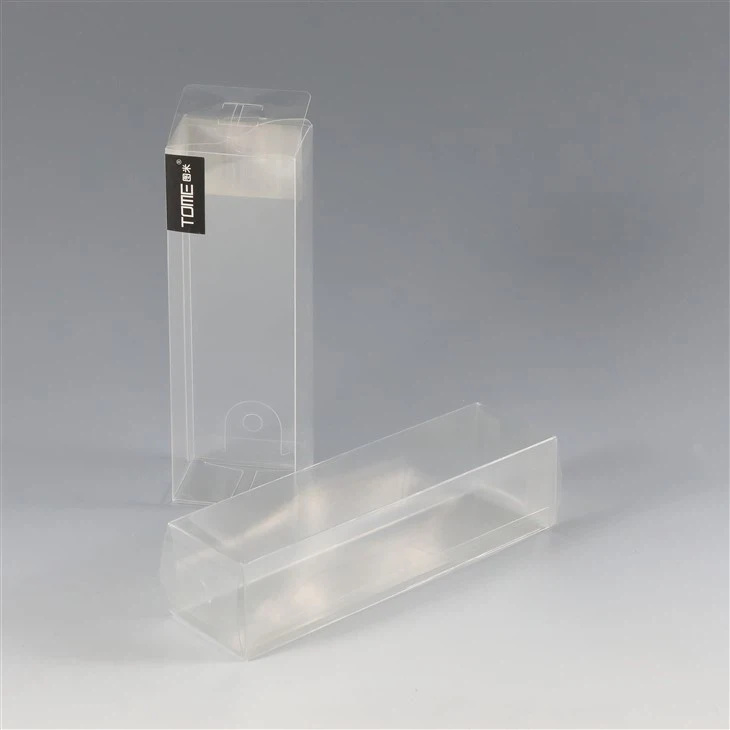
First off, let's get a bit of a background on Transparent Rigid PETG Sheets. PETG, or polyethylene terephthalate glycol - modified, is a thermoplastic polyester. It's known for its clarity, toughness, and ease of processing. These sheets are used in a bunch of applications, from Rigid PETG Sheet for Vacuum forming to Rigid PETG Plastic Sheet for Printing and Rigid PETG Sheet for Folding Box.
But because of its properties, it's sensitive to certain environmental factors during storage. If you don't take care, you can end up with sheets that are warped, scratched, or have other defects.
Temperature and Humidity Control
One of the most crucial aspects of storing Transparent Rigid PETG Sheets is controlling the temperature and humidity of the storage area. PETG is a thermoplastic, which means it can soften and deform at high temperatures. You want to keep the storage area at a cool and stable temperature.
For temperature, aim for a range between 10°C and 30°C (50°F - 86°F). If it gets too hot, the sheets can start to bend or warp, and that's a big no - no. On the other hand, extremely cold temperatures can make the sheets brittle, increasing the risk of cracking when they're handled later.
Humidity is also a major player. High humidity can cause the sheets to absorb moisture. When this happens, it can affect the sheet's clarity and its performance during processing. You should try to maintain a relative humidity level between 30% and 60%. Using a dehumidifier or a humidifier in the storage space can help you achieve and maintain these ideal conditions.
Storage Location
Where you store your Transparent Rigid PETG Sheets matters a lot. You want to choose a location that is clean, dry, and away from direct sunlight. Sunlight can cause the sheets to yellow over time, which is not good, especially if you're looking for that crystal - clear finish.
Also, make sure the storage area is free from dust, dirt, and other contaminants. Even small particles can scratch the sheets when they're stacked or moved around. If possible, store the sheets in a dedicated storage room that can be easily controlled in terms of temperature, humidity, and cleanliness.
Stacking and Support
When it comes to actually storing the sheets, how you stack them is important. You should stack the sheets flat and evenly. If you stack them unevenly, it can put pressure on certain parts of the sheets, leading to warping.
To provide proper support, use pallets or racks. Make sure the pallets or racks are strong enough to hold the weight of the sheets without bending or breaking. You can space the sheets out a bit with separators like cardboard or foam. This helps prevent scratches and also ensures that air can circulate between the sheets, which is useful for maintaining the right temperature and humidity levels.
Protection from Physical Damage
Apart from environmental factors, you also need to protect the sheets from physical damage. Avoid storing the sheets in areas where they can be easily bumped or knocked over. Use proper handling equipment like forklifts or pallet jacks when moving the sheets, and make sure the operators are trained to handle them carefully.
You can also consider adding protective covers to the stacked sheets. A simple plastic wrap or a custom - made protective cover can go a long way in protecting the sheets from scratches, dust, and other physical damage.
Monitoring and Inspection
Storing the sheets is not a one - time thing. You need to regularly monitor the storage conditions and inspect the sheets for any signs of damage or deterioration. Check the temperature and humidity levels at least once a day, and note any significant changes.
During inspections, look for things like warping, scratching, yellowing, or any signs of moisture absorption. If you notice any issues, you can take corrective action early, like adjusting the storage conditions or moving the affected sheets to a different area.
Case in Point: What Can Go Wrong
Let me share a little story from my experience as a supplier. Once, a customer bought a large quantity of our Transparent Rigid PETG Sheets. They didn't store them properly; they left the sheets in a hot warehouse where the temperature often went above 40°C (104°F). When they finally started using the sheets for Rigid PETG Sheet for Vacuum forming, they found that many of the sheets were warped and couldn't be used. This led to a lot of wasted time and money for them. So, you can see how important proper storage is.
Conclusion and Call to Action
In conclusion, proper storage of Transparent Rigid PETG Sheets involves controlling temperature and humidity, choosing the right storage location, stacking the sheets correctly, protecting them from physical damage, and regularly monitoring and inspecting them. By following these steps, you can ensure that your sheets remain in top - notch condition until you're ready to use them.
If you're in the market for high - quality Transparent Rigid PETG Sheets, I'm here to help. I've got a wide range of products suitable for various applications, like Rigid PETG Sheet for Vacuum forming, Rigid PETG Plastic Sheet for Printing, and Rigid PETG Sheet for Folding Box. Contact me to discuss your requirements and get started on a great partnership.

References
- Plastics Technology Handbook, Various Authors
- Journal of Thermoplastic Materials, Multiple Issues
- Industry Reports on PETG Sheet Manufacturing and Usage