





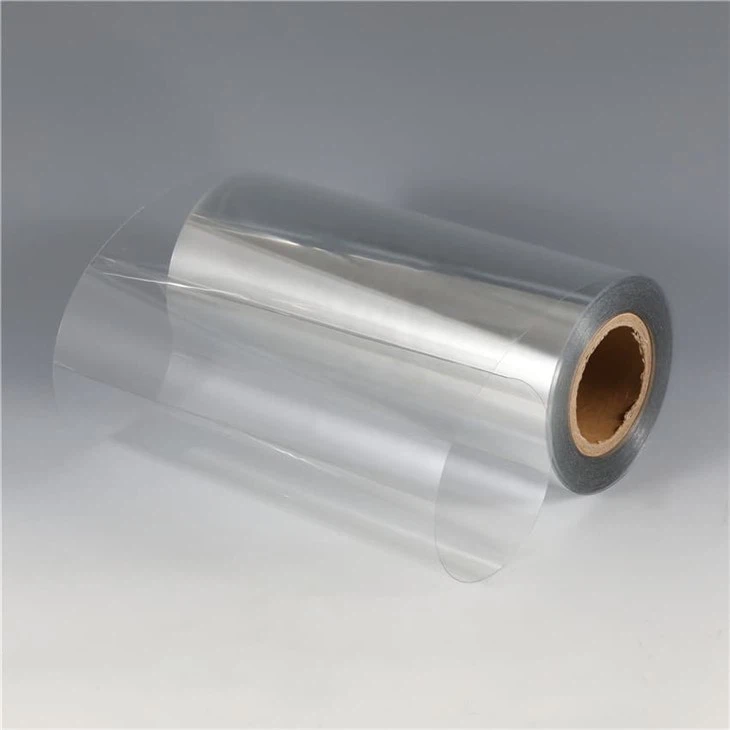
Hey there! As a supplier of Transparent PET Coiled Plastic Sheets, I've seen my fair share of issues related to static electricity. It's a real pain in the neck, especially when you're trying to handle these sheets properly. Static electricity can cause all sorts of problems, like attracting dust and debris, making the sheets stick together, and even causing damage to electronic components if you're using them in an industrial setting. So, today I'm gonna share some tips on how to prevent static electricity on these transparent PET coiled plastic sheets.
Understanding Static Electricity on PET Sheets
First off, let's understand why static electricity builds up on PET sheets in the first place. PET, or polyethylene terephthalate, is a type of plastic that's known for its transparency, strength, and durability. But it's also a good insulator, which means it can easily accumulate static charges. When you move, cut, or stack these sheets, friction is created, and electrons are transferred between the surfaces. This leads to an imbalance of charges, resulting in static electricity.
Humidity Control
One of the simplest ways to prevent static electricity is to control the humidity in your environment. Static electricity is more likely to build up in dry conditions. So, try to keep the humidity level in your storage and working areas between 40% and 60%. You can use a humidifier to add moisture to the air if it's too dry. This will help to reduce the static charge on the PET sheets.
Another option is to mist the sheets lightly with water before handling them. Just make sure you use distilled water to avoid leaving any mineral deposits on the sheets. A fine spray bottle works great for this. However, be careful not to get the sheets too wet, as this can cause other issues like warping or sticking.
Anti - Static Sprays
Anti - static sprays are a popular solution for preventing static electricity on PET sheets. These sprays work by creating a thin, conductive layer on the surface of the sheets. You can find anti - static sprays at most hardware or industrial supply stores.
To use an anti - static spray, simply hold the bottle about 8 - 10 inches away from the sheet and spray it evenly across the surface. Make sure to cover both sides of the sheet. After spraying, let the sheet dry completely before handling it. This will help to neutralize the static charge and prevent dust from sticking to the surface.
Grounding
Grounding is an effective way to discharge static electricity. You can ground the PET sheets by using a grounding strap or a conductive mat. A grounding strap is a wrist - worn device that connects you to a ground source, like a metal rod inserted into the ground. When you handle the sheets while wearing a grounding strap, any static charge on your body will be safely discharged.
A conductive mat can also be used. Place the PET sheets on the conductive mat, and it will help to dissipate the static charge. You can find conductive mats at electronics or industrial supply stores. They come in different sizes and thicknesses, so you can choose one that suits your needs.
Anti - Static Packaging
Using anti - static packaging materials is another important step. When storing or shipping your Transparent PET Coiled Plastic Sheets, use anti - static bags or wrapping. These materials are designed to prevent static electricity from building up on the sheets during transit and storage.
Anti - static bags are made from a special type of plastic that has conductive properties. They can be sealed to keep the sheets protected from static charges and dust. You can also use anti - static bubble wrap or foam to cushion the sheets and further reduce the risk of static electricity.
Proper Handling Techniques
How you handle the PET sheets can also make a big difference in preventing static electricity. Avoid dragging the sheets across rough surfaces, as this can create more friction and static charge. Instead, lift and move the sheets gently.
When cutting the sheets, use sharp blades to minimize friction. Dull blades can cause the sheets to rub against each other, generating more static electricity. Also, try to avoid stacking the sheets too tightly, as this can increase the contact area and the likelihood of static build - up.
Using Conductive Tools
Using conductive tools can help to prevent static electricity when working with PET sheets. For example, if you're using a cutter or a roller, make sure they are made from conductive materials. Conductive tools allow the static charge to be transferred away from the sheets, reducing the risk of static build - up.
You can find conductive tools at industrial supply stores. They may be a bit more expensive than regular tools, but they are worth the investment if you're dealing with static electricity issues on a regular basis.

Choosing the Right PET Sheets
If you're constantly having problems with static electricity, you might want to consider using PET sheets that are specifically designed to be anti - static. Some manufacturers offer PET sheets with an anti - static coating or additives. These sheets are more resistant to static build - up and can save you a lot of hassle in the long run.
You can check out our Transparent PET Thick Plate, High Quality Pet Rigid Sheet For Business Card Printing, and Pet Sheet Roll products. We offer a range of options, and some of them come with anti - static features.
Conclusion
Preventing static electricity on Transparent PET Coiled Plastic Sheets is crucial for maintaining the quality of the sheets and ensuring smooth handling. By controlling humidity, using anti - static sprays, grounding, choosing the right packaging, and following proper handling techniques, you can significantly reduce the static charge on the sheets.
If you're interested in purchasing high - quality Transparent PET Coiled Plastic Sheets or have any questions about preventing static electricity, feel free to reach out to us. We're here to help you find the best solutions for your needs.
References
- "Static Electricity and Its Control in the Workplace" - Industrial Hygiene Guide
- "Plastics Processing: Handling and Storage" - Plastics Industry Handbook