


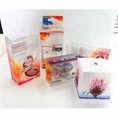


Optimizing the printing process on Matt Rigid Plastic PET Sheet is crucial for achieving high - quality, visually appealing results. As a supplier of Matt Rigid Plastic PET Sheet, I have witnessed firsthand the challenges and opportunities in this area. In this blog, I will share some key strategies and techniques to help you optimize your printing process on these sheets.
Understanding Matt Rigid Plastic PET Sheet
Before delving into the optimization of the printing process, it's essential to understand the characteristics of Matt Rigid Plastic PET Sheet. PET (Polyethylene Terephthalate) is a strong, lightweight, and recyclable thermoplastic polymer. The matte finish of the sheet gives it a non - glossy, smooth appearance, which is often preferred for applications where glare needs to be minimized, such as in packaging and stationery.
The surface of Matt Rigid Plastic PET Sheet is relatively smooth, but it may have a certain degree of surface energy. This surface energy plays a vital role in the adhesion of inks during the printing process. If the surface energy is too low, the ink may not adhere properly, leading to issues like smudging, poor color transfer, and reduced print durability.


Surface Preparation
One of the first steps in optimizing the printing process is proper surface preparation. There are several methods to increase the surface energy of the Matt Rigid Plastic PET Sheet:
Corona Treatment
Corona treatment is a widely used method to increase the surface energy of plastic sheets. It involves exposing the sheet to a high - voltage electrical discharge. This discharge breaks the molecular bonds on the surface of the sheet, creating polar groups that enhance the adhesion of inks. When using corona treatment, it's important to ensure that the treatment level is consistent across the entire sheet. Over - treating can damage the sheet, while under - treating may not provide sufficient surface energy for proper ink adhesion.
Primer Application
Applying a primer to the surface of the Matt Rigid Plastic PET Sheet can also improve ink adhesion. Primers are thin layers of coating that are designed to bond with both the plastic surface and the ink. They can fill in any microscopic irregularities on the surface and provide a better surface for the ink to adhere to. When choosing a primer, make sure it is compatible with both the PET sheet and the ink you plan to use.
Ink Selection
The choice of ink is another critical factor in optimizing the printing process on Matt Rigid Plastic PET Sheet. Different types of inks have different properties, and not all inks are suitable for printing on PET sheets.
Solvent - Based Inks
Solvent - based inks are known for their excellent adhesion and durability. They can penetrate the surface of the PET sheet and form a strong bond. However, they also have some drawbacks. Solvent - based inks contain volatile organic compounds (VOCs), which can be harmful to the environment and human health. Additionally, they require proper ventilation during the printing process to ensure the safe evaporation of the solvents.
UV - Curable Inks
UV - curable inks are a popular choice for printing on Matt Rigid Plastic PET Sheet. These inks are cured by exposure to ultraviolet light, which causes them to harden quickly. UV - curable inks offer several advantages, including high - quality prints, fast curing times, and low VOC emissions. They also provide good scratch and chemical resistance, making them suitable for applications where the printed surface may be exposed to wear and tear.
Water - Based Inks
Water - based inks are an environmentally friendly option. They have low VOC emissions and are easy to clean up. However, they may not adhere as well to PET sheets as solvent - based or UV - curable inks. To improve adhesion, water - based inks may require additional surface treatment or the use of a primer.
Printing Equipment and Settings
The printing equipment and settings also play a significant role in optimizing the printing process.
Printing Press
The type of printing press used can affect the quality of the prints. For Matt Rigid Plastic PET Sheet, offset printing, flexographic printing, and digital printing are commonly used methods.
Offset printing is suitable for high - volume production and can produce high - quality prints with sharp details. Flexographic printing is a cost - effective option for medium - to high - volume printing, and it can handle a variety of ink types. Digital printing offers flexibility and is ideal for short - run production and customized prints.
Printing Settings
Proper printing settings are essential for achieving optimal results. The ink density, printing speed, and pressure need to be adjusted according to the type of ink, the thickness of the sheet, and the desired print quality. For example, if the ink density is too high, it may result in smudging or over - saturation, while a low ink density may lead to poor color intensity.
Quality Control
Implementing a quality control system is crucial to ensure that the printed Matt Rigid Plastic PET Sheet meets the required standards.
Inspection
Regular inspection of the printed sheets is necessary to detect any defects, such as misregistration, ink smudging, or color variations. Visual inspection can be done manually, but for more accurate and efficient inspection, automated inspection systems can be used.
Testing
Conducting tests on the printed sheets can also help ensure their quality. Adhesion tests can be performed to check the bond between the ink and the sheet. Abrasion resistance tests can determine how well the print withstands wear and tear.
Applications of Matt Rigid Plastic PET Sheet
Matt Rigid Plastic PET Sheet has a wide range of applications, and optimizing the printing process can enhance the value of these applications.
Packaging
In the packaging industry, Matt Rigid Plastic PET Sheet is commonly used for making Pet Frosted Plastic Box. The matte finish gives the boxes a high - end and sophisticated look. By optimizing the printing process, you can print clear and vibrant logos, product information, and graphics on the boxes, which can attract customers and increase brand recognition.
Stationery
For stationery products, such as Frosted PET Stationery Cover, the printing process can be optimized to create beautiful and durable covers. The matte finish of the PET sheet provides a smooth and non - glare surface, which is ideal for writing and reading. High - quality prints on the covers can make the stationery more appealing to consumers.
Conclusion
Optimizing the printing process on Matt Rigid Plastic PET Sheet requires a comprehensive approach that includes surface preparation, ink selection, proper use of printing equipment and settings, and quality control. By following these strategies, you can achieve high - quality prints that meet the requirements of various applications.
If you are interested in purchasing Matt Rigid Plastic PET Sheet or have any questions about the printing process, please feel free to contact us. We are committed to providing you with the best products and services to help you achieve your printing goals.
References
- "Plastics in Packaging: Technology and Innovation" by Tim Cadogan
- "Printing on Plastics: A Practical Guide" by John Smith