




Hey there! As a supplier of Rigid PETG Sheet for Vacuum forming, I get a lot of questions about how to make these sheets more scratch-resistant. Scratches can really take away from the overall look and functionality of the vacuum-formed products, so it's a super important topic. Let's dig into some practical ways to beef up the scratch resistance of vacuum-formed rigid PETG sheets.
Why Scratch Resistance Matters
Before we jump into the solutions, let's quickly talk about why scratch resistance is such a big deal. When you're using PETG sheets for vacuum forming, chances are you're creating products that need to look good and last. Whether it's for retail displays, packaging, or even medical devices, scratches can make the final product look shoddy and reduce its lifespan. For example, if you're making a transparent display case with Transparent Rigid PETG Sheet PE Films, scratches can make it hard for customers to see the products inside clearly. And for medical devices, scratches can harbor bacteria and compromise the device's integrity.
Surface Treatments
One of the most effective ways to make your PETG sheets more scratch-resistant is through surface treatments. There are a few different types of treatments you can consider, each with its own pros and cons.
- Hard Coatings: Applying a hard coating to the PETG sheet is a popular option. Hard coatings are typically made from polymers or other materials that create a tough, protective layer on the surface of the sheet. They can significantly improve scratch resistance, as well as chemical resistance and UV protection. There are two main types of hard coatings: solvent-based and water-based. Solvent-based coatings tend to be more durable but can be more environmentally harmful. Water-based coatings are more eco-friendly but may not be as long-lasting. When applying a hard coating, it's important to follow the manufacturer's instructions carefully to ensure a smooth and even application.
- Anti-Scratch Films: Another option is to use anti-scratch films. These films are typically made from materials like polyethylene terephthalate (PET) or polycarbonate and are applied to the surface of the PETG sheet. Anti-scratch films offer a quick and easy way to add scratch resistance to your sheets. They can be easily removed and replaced if they get damaged, which is great for products that may need to be refurbished or updated over time. However, they may not provide as much protection as a hard coating, especially for heavy-duty applications.
Additives
In addition to surface treatments, you can also add certain additives to the PETG resin during the manufacturing process to enhance scratch resistance.
- Silicone Additives: Silicone additives are a common choice for improving scratch resistance. They work by reducing the friction between the surface of the sheet and other materials, making it less likely for scratches to occur. Silicone additives can also improve the flow and processing properties of the PETG resin, which can lead to a smoother and more even surface finish. However, it's important to use the right amount of silicone additive, as too much can cause issues with adhesion and clarity.
- Nano-Particle Additives: Nano-particle additives are another option for enhancing scratch resistance. These additives are made up of tiny particles that are dispersed throughout the PETG resin. They can create a physical barrier on the surface of the sheet, preventing scratches from forming. Nano-particle additives can also improve other properties of the PETG sheet, such as its mechanical strength and heat resistance. However, they can be more expensive than other types of additives, and the manufacturing process can be more complex.
Processing Techniques
The way you process the PETG sheet during vacuum forming can also have an impact on its scratch resistance.
- Temperature Control: Maintaining the right temperature during the vacuum forming process is crucial for ensuring a high-quality finish. If the temperature is too high, the PETG sheet can become too soft and prone to scratches. On the other hand, if the temperature is too low, the sheet may not form properly, which can also lead to surface defects and scratches. Make sure to follow the recommended temperature range for your specific PETG sheet and adjust the temperature as needed based on the size and complexity of your part.
- Mold Design: The design of the mold can also affect the scratch resistance of the vacuum-formed PETG sheet. Sharp edges and corners in the mold can cause scratches on the sheet during the forming process. To minimize this risk, make sure the mold has smooth, rounded edges and corners. You can also use a mold release agent to help the sheet slide out of the mold more easily, reducing the risk of scratching.
Handling and Storage
Finally, how you handle and store your vacuum-formed PETG sheets can also play a role in their scratch resistance.
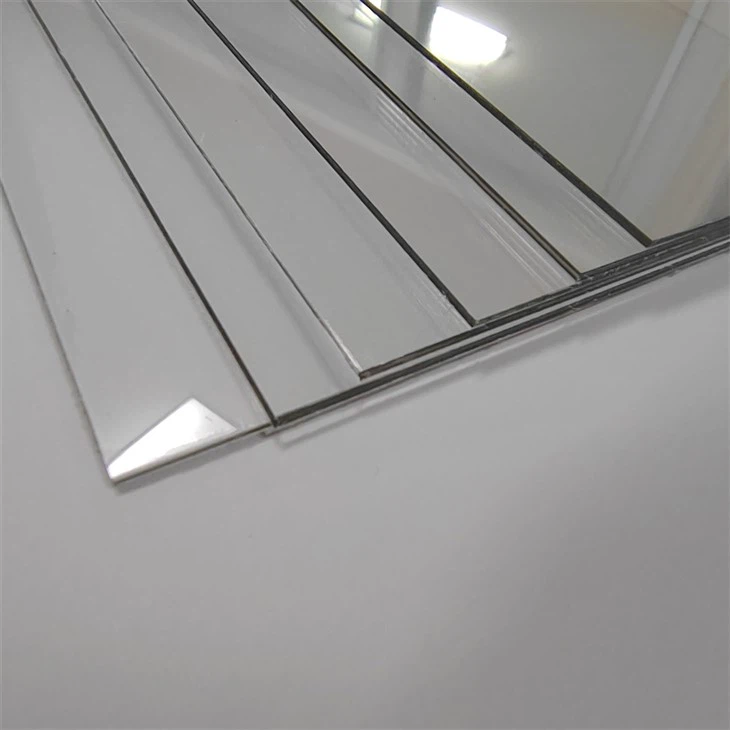

- Handling: When handling the PETG sheets, make sure to use clean, soft gloves to avoid scratching the surface. Avoid dragging the sheets across rough or abrasive surfaces, and be careful not to bump or scrape them against hard objects. If you need to cut or trim the sheets, use sharp, clean tools to minimize the risk of creating scratches.
- Storage: Store your PETG sheets in a clean, dry environment away from direct sunlight and heat. Stack the sheets carefully to avoid putting too much pressure on them, which can cause scratches. You can also use protective packaging materials, such as foam or plastic film, to help prevent scratches during storage and transportation.
Conclusion
Making your vacuum-formed rigid PETG sheets more scratch-resistant is a multi-step process that involves surface treatments, additives, processing techniques, and proper handling and storage. By following these tips, you can significantly improve the scratch resistance of your PETG sheets and ensure that your final products look great and last longer.
If you're interested in learning more about our Rigid PETG Sheet for Vacuum forming or Rigid PETG Plastic Sheet for Printing, or if you have any questions about making our sheets more scratch-resistant, don't hesitate to reach out. We're here to help you find the best solutions for your specific needs.
References
- Smith, J. (2020). "Advances in Scratch Resistance of Thermoplastic Sheets." Journal of Plastics Technology.
- Johnson, A. (2019). "Surface Treatments for Improving the Performance of PETG Sheets." Plastics Manufacturing Today.
- Brown, C. (2018). "Additives for Enhancing the Properties of PETG Resins." Polymer Science Review.