




How do I cut rigid PETG sheets for vacuum forming?
As a supplier of Rigid PETG Sheet for Vacuum forming, I've encountered numerous inquiries regarding the proper techniques for cutting these sheets. Cutting rigid PETG sheets is a crucial step in the vacuum - forming process, as precise cuts ensure a well - fitting and high - quality final product. In this blog, I'll share some effective methods and tips on how to cut rigid PETG sheets for vacuum forming.
Understanding Rigid PETG Sheets
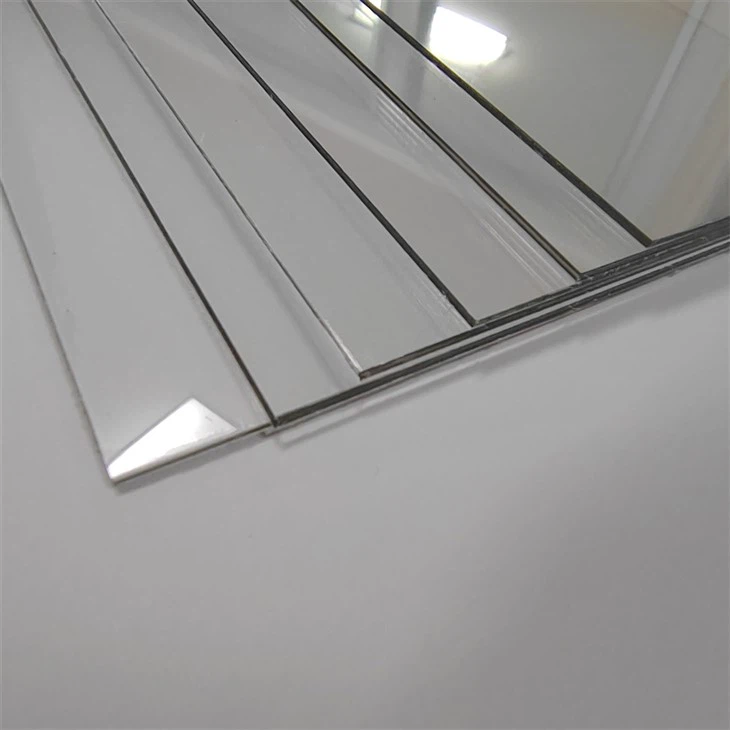
Before we delve into the cutting techniques, it's essential to understand what rigid PETG sheets are. PETG, or polyethylene terephthalate glycol - modified, is a thermoplastic polyester known for its excellent clarity, toughness, and chemical resistance. Rigid PETG Plastic Sheet for Printing and those used for vacuum forming are often made from this material. The transparency of Transparent Rigid PETG Sheet PE Films makes them suitable for various applications, such as point - of - purchase displays, packaging, and medical device components.
Tools for Cutting Rigid PETG Sheets
- Utility Knife
A utility knife is a simple and cost - effective tool for cutting thin rigid PETG sheets (usually up to 1/8 inch thick). It's ideal for making straight cuts on smaller pieces. To use a utility knife, score the surface of the PETG sheet multiple times along the cutting line. Apply firm and even pressure, but be careful not to cut through the sheet in one go. After scoring, place the scored line over the edge of a workbench or a straight edge. Then, gently snap the sheet along the scored line. This method works well for creating clean, straight edges. - Jigsaw
For more complex shapes or thicker sheets (up to 1/4 inch), a jigsaw can be a great option. When using a jigsaw, select a fine - tooth blade designed for cutting plastics. A blade with a high number of teeth per inch (TPI) will result in a smoother cut and reduce the risk of chipping. Secure the PETG sheet firmly to the work surface to prevent it from moving during cutting. Start the jigsaw at a slow speed and gradually increase it as you make your way through the sheet. Take your time and follow the cutting line carefully to achieve the desired shape. - Table Saw
A table saw is suitable for making long, straight cuts on large rigid PETG sheets. It offers high precision and efficiency. However, it requires proper safety precautions. Use a carbide - tipped blade with a high tooth count to ensure a clean cut. Set the blade height just slightly higher than the thickness of the PETG sheet. Adjust the fence to the desired cutting width and make sure it is parallel to the blade. Push the sheet through the saw at a steady pace, keeping your hands away from the blade. It's advisable to wear safety goggles and hearing protection when using a table saw. - Laser Cutter
If you need to create intricate designs or high - precision cuts, a laser cutter is the best choice. Laser cutters use a focused laser beam to melt or vaporize the PETG material, resulting in extremely accurate cuts. They can handle a wide range of sheet thicknesses and can cut almost any shape. However, laser cutters are relatively expensive and may require professional operation. They also generate fumes, so proper ventilation is necessary.
Pre - cutting Preparations
- Marking the Cutting Line
Before you start cutting, mark the cutting line on the PETG sheet clearly. You can use a fine - tipped marker or a scribe. Make sure the markings are straight and accurate. If you're cutting a complex shape, you may want to use a template. Trace the template onto the sheet using a pencil or a marker. - Securing the Sheet
Properly securing the PETG sheet is crucial to prevent it from moving during cutting, which can lead to uneven cuts or accidents. Use clamps to hold the sheet firmly to the work surface. If you're using a table saw or a jigsaw, make sure the sheet is flat and stable. - Safety Gear
Wear appropriate safety gear, such as safety goggles, gloves, and a dust mask. Safety goggles protect your eyes from flying debris, gloves prevent cuts and abrasions, and a dust mask helps you avoid inhaling plastic dust or fumes generated during cutting.
Cutting Tips
- Reduce Chipping
To reduce chipping, especially when using a saw or a knife, apply masking tape along the cutting line before cutting. The tape acts as a protective barrier and helps to keep the edges of the cut clean. After cutting, remove the tape carefully. - Cooling the Material
Some cutting methods, such as laser cutting or high - speed sawing, generate heat, which can cause the PETG sheet to melt or warp. To prevent this, you can use a coolant or cutting fluid. For example, when using a table saw, you can spray a small amount of water on the blade and the cutting area to keep the temperature down. - Finishing the Edges
After cutting, the edges of the PETG sheet may be rough or have small burrs. You can use sandpaper or a file to smooth the edges. Start with a coarse - grit sandpaper and gradually move to a finer - grit one for a polished finish. This will improve the appearance of the final product and make it safer to handle.
Post - cutting Considerations
- Cleaning the Sheet
After cutting, clean the PETG sheet to remove any dust or debris. You can use a soft cloth and a mild cleaning solution. Avoid using abrasive cleaners or solvents that may damage the surface of the sheet. - Inspecting the Cut
Inspect the cut to ensure it meets your requirements. Check for any cracks, chips, or uneven edges. If necessary, make any adjustments or repairs.
Conclusion
Cutting rigid PETG sheets for vacuum forming requires the right tools, proper techniques, and attention to detail. Whether you're using a simple utility knife or a high - tech laser cutter, following the steps and tips outlined in this blog will help you achieve clean, precise cuts. As a supplier of Rigid PETG Sheet for Vacuum forming, I'm always here to support you with any questions or concerns you may have about our products and the cutting process. If you're interested in purchasing our high - quality rigid PETG sheets for your vacuum - forming projects, please feel free to contact us for further details and to discuss your specific requirements. We look forward to partnering with you to bring your ideas to life.

References
- "Plastic Materials and Processing" by Donald R. Paul and Christopher B. Bucknall
- "Handbook of Thermoplastics" edited by O. Olabisi