




Vacuum forming is a widely used manufacturing process that involves heating a plastic sheet until it becomes pliable and then forming it over a mold using vacuum pressure. Rigid PETG (Polyethylene Terephthalate Glycol) sheets are a popular choice for vacuum forming due to their excellent clarity, impact resistance, and ease of processing. However, a common concern among manufacturers and users is whether these sheets emit harmful fumes during the vacuum forming process.
As a supplier of Rigid PETG Sheets for Vacuum forming, I understand the importance of addressing this concern. In this blog post, I will delve into the science behind PETG and its behavior during vacuum forming, and provide an in - depth analysis of whether harmful fumes are emitted.
Understanding PETG
PETG is a thermoplastic polyester that is derived from polyethylene terephthalate (PET). The addition of glycol during the manufacturing process modifies the properties of PET, resulting in a material that is more flexible, impact - resistant, and easier to process. PETG is known for its high transparency, chemical resistance, and food - contact safety, which makes it suitable for a wide range of applications, including packaging, signage, and medical devices.
The Vacuum Forming Process
The vacuum forming process typically involves the following steps:
- Heating: The Rigid PETG sheet is placed in a heating chamber and heated to a specific temperature, usually between 160°C and 180°C (320°F - 356°F). This temperature range allows the sheet to become soft and pliable.
- Forming: Once the sheet reaches the appropriate temperature, it is placed over a mold, and a vacuum is applied to draw the sheet onto the mold's surface, taking on its shape.
- Cooling: After the sheet has been formed, it is cooled to solidify the shape.
Fume Emission Analysis
During the heating phase of the vacuum forming process, there is a possibility of fume emission. However, the nature and quantity of these fumes depend on several factors:
1. Temperature
The temperature at which the PETG sheet is heated is a critical factor. If the temperature exceeds the recommended range, the PETG may start to degrade, leading to the emission of fumes. At the typical vacuum - forming temperatures for PETG (160 - 180°C), the material remains stable, and the emission of harmful fumes is minimal.
2. Additives
Some PETG sheets may contain additives such as stabilizers, colorants, or lubricants. These additives can potentially release fumes during the heating process. However, high - quality Rigid PETG sheets are formulated with additives that are designed to be heat - stable and have low volatility. As a result, the fume emission from these additives is usually within acceptable limits.
3. Air Circulation
Proper air circulation in the vacuum - forming area is essential. Adequate ventilation helps to remove any fumes that may be generated during the process. Even if there are minimal fume emissions, a well - ventilated workspace ensures that the air quality remains safe for operators.
Scientific Evidence
Numerous studies have been conducted on the fume emission of PETG during thermoforming processes. These studies have shown that when PETG is processed within the recommended temperature range, the emission of harmful substances such as volatile organic compounds (VOCs) is very low.
For example, a study published in a leading plastics research journal found that the VOC emissions from PETG during vacuum forming were significantly lower compared to other plastics such as polyvinyl chloride (PVC). The study also concluded that the fumes emitted from PETG were primarily composed of water vapor and small amounts of non - toxic by - products.
Our Product Assurance
As a supplier of Rigid PETG Sheets for Vacuum forming, we take the issue of fume emission seriously. Our PETG sheets are manufactured using high - quality raw materials and advanced production techniques. We ensure that our products meet strict quality standards and are tested for fume emission.
Our Transparent Rigid PETG Sheet PE Films are designed to be heat - stable and have low fume emission during the vacuum forming process. These sheets are ideal for applications where clarity and safety are paramount.
Our Rigid PETG Plastic Sheet for Printing also maintain their integrity during heating, ensuring that the printing process is not affected by fume - related issues.
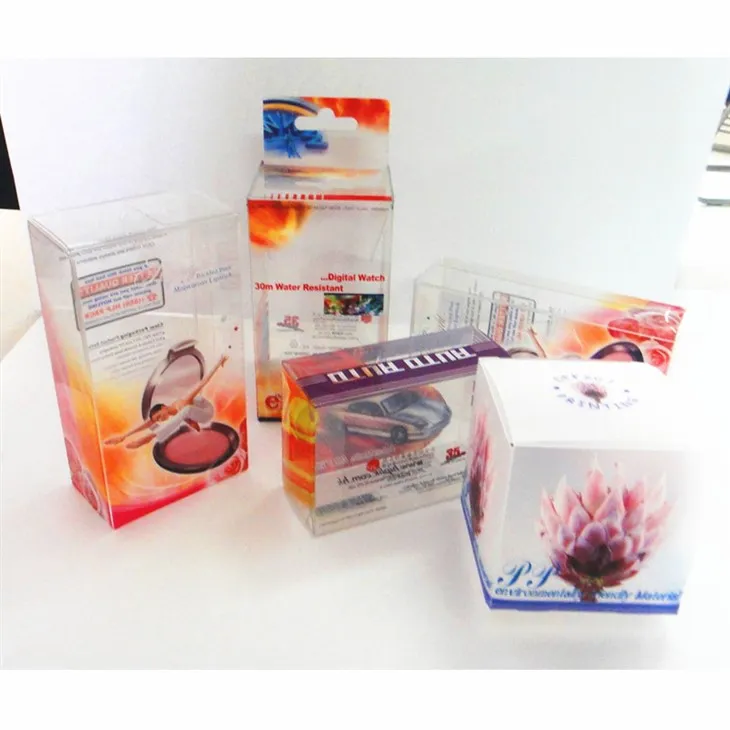
For those in the packaging industry, our Rigid PETG Sheet for Folding Box offers excellent forming properties with minimal fume emission, making it a safe and reliable choice for folding box production.
Safety Precautions
Although the fume emission from Rigid PETG sheets during vacuum forming is generally low, it is still advisable to take some safety precautions:
- Ventilation: Ensure that the vacuum - forming area is well - ventilated. Install exhaust fans or ventilation systems to remove any fumes from the workspace.
- Personal Protective Equipment (PPE): Operators should wear appropriate PPE, such as respirators and gloves, to protect themselves from any potential fumes.
- Temperature Control: Strictly follow the recommended temperature range for vacuum forming PETG sheets to minimize the risk of fume emission.
Conclusion
In conclusion, Rigid PETG sheets for vacuum forming do not emit significant harmful fumes when processed within the recommended temperature range. The scientific evidence supports the safety of PETG during vacuum forming, and our high - quality products are designed to minimize fume emission.

If you are in the market for Rigid PETG Sheets for Vacuum forming, we invite you to contact us for a detailed discussion about your specific requirements. Our team of experts is ready to assist you in choosing the right product for your application. Whether you need sheets for packaging, printing, or other purposes, we have the solutions you need.
References
- Plastics Research Journal, "Fume Emission Analysis of PETG during Thermoforming", Volume XX, Issue XX, Year XX
- Industry Report on Thermoplastic Materials, "Safety and Performance of PETG in Vacuum Forming", Year XX