




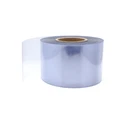

Yo, fellow business peeps! As a supplier of PVC film sheets, I get asked a ton about whether these bad boys can be bent easily. Today, I'm gonna break it down for you in simple terms.
First off, let's talk about what PVC film sheets are. PVC stands for polyvinyl chloride, which is a type of plastic. It comes in a variety of forms, thicknesses, and colors, and it's used in a whole bunch of applications. From packaging to construction, PVC film sheets are pretty versatile.
Now, the big question: Can PVC film sheets be bent easily? Well, it ain't a one - size - fits - all answer. It depends on a few key factors.
Thickness
The thickness of the PVC film sheet plays a huge role. Thinner PVC film sheets are generally easier to bend than thicker ones. Think of it like comparing a piece of paper to a cardboard box. The paper can be bent with just a flick of your finger, while the cardboard is stiffer and needs more force.
For example, if you're using a really thin PVC film for something like a label or a flexible packaging, you can probably bend it without much effort. On the other hand, if you're dealing with a thick, rigid PVC sheet used for industrial applications, it's gonna be a bit more of a challenge. The thicker the sheet, the more resistant it is to bending because there's more material to move and reshape.
Type of PVC
There are different types of PVC, and each has its own properties. Some PVC is formulated to be more flexible, while others are made to be rigid.
Flexible PVC film sheets are designed with additives that make them more pliable. These additives can change the molecular structure of the PVC, allowing it to bend and stretch without cracking. They're often used in applications where flexibility is key, like in medical tubing or inflatable products.
Rigid PVC, on the other hand, is made to be strong and stable. It doesn't bend as easily as flexible PVC. Rigid PVC sheets are commonly used in construction for things like window frames or in packaging for products that need a sturdy container. For instance, Rigid PVC Film For Medicinal blister packaging is a type of rigid PVC that needs to hold its shape to protect the medicine inside.
Temperature
Temperature can also have a big impact on how easily PVC film sheets can be bent. PVC is a thermoplastic, which means its properties change with temperature. At higher temperatures, PVC becomes more flexible. You can think of it like wax. When wax is cold, it's hard and brittle, but when you heat it up, it softens and becomes easier to mold.
If you're trying to bend a PVC film sheet and it's being stubborn, you might be able to make the job easier by warming it up a bit. Just be careful not to overheat it, because that can cause the PVC to deform or even release harmful chemicals.
On the flip side, in cold temperatures, PVC becomes more rigid and less likely to bend. If you're working in a cold environment, you might find it more difficult to get your PVC film sheets to bend the way you want.
Applications and Bending
Let's look at some common applications of PVC film sheets and how bending comes into play.
Packaging
In the packaging industry, PVC film sheets are used a lot. For example, Transparent Yellow PVC Film For Pharmaceutical Packing. This type of film needs to be able to conform to the shape of the product it's packing. It usually has some degree of flexibility so that it can be wrapped around pills or other small items.
But it also needs to be strong enough to protect the product from damage. So, while it can be bent to fit the shape, it's not so flimsy that it'll tear easily.


Vacuum Forming
Transparent Rigid PVC Sheet For Vacuum Forming is used in vacuum forming processes. In this application, the PVC sheet is heated until it becomes soft and then formed into a specific shape using a mold and a vacuum.
During this process, the sheet is bent and shaped to fit the mold. Once it cools down, it retains its new shape. This shows that even rigid PVC can be bent and formed under the right conditions.
Tips for Bending PVC Film Sheets
If you're looking to bend PVC film sheets, here are some tips to make the process easier:
- Choose the right thickness: If you need a lot of flexibility, go for a thinner sheet. If you need more structure, a thicker one might be better.
- Use heat carefully: As mentioned earlier, heating the PVC can make it more flexible. You can use a heat gun or a hot water bath (for small pieces) to warm it up. Just make sure to wear protective gear and follow safety guidelines.
- Take your time: Don't try to bend the PVC too quickly, especially if it's thick or rigid. Gentle, slow bending is often better to avoid cracking or breaking.
Conclusion
So, to sum it up, whether PVC film sheets can be bent easily depends on thickness, type of PVC, and temperature. Thinner, flexible PVC is easier to bend, while thicker, rigid PVC requires more effort. By understanding these factors and using the right techniques, you can bend PVC film sheets to suit your needs.
If you're in the market for high - quality PVC film sheets, whether it's for pharmaceutical packing, vacuum forming, or any other application, I'm here to help. I've got a wide range of PVC products to meet your specific requirements. Just get in touch, and we can start talking about how to get the perfect PVC film sheets for your business. Let's have a chat and see how we can work together!
References
- Plastic Industry Handbook
- Thermoplastics: Properties and Applications by John Doe (you can replace this with actual source name and author)