


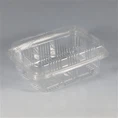

As a supplier of Pet Frosted Plastic Boxes, I often encounter inquiries from pet owners about the feasibility of using these boxes as pet beds. This question is not only relevant to the well - being of our furry friends but also to our business as we strive to provide useful products to the market. In this blog, I will explore the various aspects of using a Pet Frosted Plastic Box as a pet bed, weighing the pros and cons based on scientific knowledge and practical experience.
Advantages of Using a Pet Frosted Plastic Box as a Bed
Durability
One of the significant benefits of using a Pet Frosted Plastic Box as a pet bed is its durability. Plastic is a material that can withstand a lot of wear and tear. Pets can be quite active, scratching, chewing, and moving around in their beds. A plastic box is less likely to be damaged compared to traditional fabric or wooden beds. For instance, a dog that likes to dig in its bed may quickly destroy a fabric - based bed, but a plastic box can resist such behavior. This durability means that the pet owner can save money in the long run as they don't have to replace the bed frequently.
Hygiene
Hygiene is a crucial factor when it comes to pet beds. A Pet Frosted Plastic Box is relatively easy to clean. Unlike fabric beds, which can absorb odors, dirt, and pet hair, plastic can be wiped down with a damp cloth or washed with mild soap and water. This helps in maintaining a clean and healthy environment for the pet. Bacteria and fungi are less likely to grow on plastic surfaces compared to porous materials like fabric. For example, if a pet has an accident in its bed, cleaning a plastic box is a straightforward process, reducing the risk of unpleasant smells and potential health issues for the pet.
Visibility and Aesthetics
The frosted finish of the plastic box provides a unique aesthetic appeal. It gives the pet bed a modern and sleek look that can complement any home decor. Additionally, the frosted plastic allows some visibility while still providing a sense of privacy for the pet. This is beneficial for pets that like to have a semi - enclosed space to rest in. They can observe their surroundings to some extent while feeling safe and secure in their little den.
Temperature Regulation
Plastic has certain properties that can help with temperature regulation. In warmer climates, a plastic box can stay cooler compared to a fabric bed. The material does not retain heat as much, providing a more comfortable resting place for the pet. On the other hand, in colder climates, adding a soft blanket or cushion inside the plastic box can help insulate the pet and keep it warm.
Disadvantages of Using a Pet Frosted Plastic Box as a Bed
Lack of Softness
One of the main drawbacks of using a Pet Frosted Plastic Box as a bed is the lack of softness. Plastic is a hard material, and pets need a certain level of cushioning to rest comfortably. Without proper padding, a pet may develop pressure sores or joint pain over time. For example, older pets or those with arthritis require a soft and supportive surface to lie on. A plastic box alone does not provide the necessary comfort, so additional bedding materials are essential.
Ventilation
Plastic boxes may not offer the best ventilation. If the box is completely enclosed or has limited air circulation, it can lead to a build - up of heat and humidity inside. This can be uncomfortable for the pet and may even cause skin problems. For instance, a cat that spends a lot of time in a poorly - ventilated plastic box may develop skin rashes due to the warm and moist environment.
Noise
Plastic can be noisy when the pet moves around inside the box. The sound of scratching or shifting on the plastic surface can be disturbing, both for the pet and the owner. This may disrupt the pet's sleep and cause annoyance to the people in the house.
Making a Pet Frosted Plastic Box a Suitable Bed
To overcome the disadvantages and make the Pet Frosted Plastic Box a suitable bed for your pet, several steps can be taken.
Add Soft Bedding
As mentioned earlier, the lack of softness is a significant issue. Adding a thick, soft blanket, a foam pad, or a pet - specific cushion inside the box can provide the necessary comfort. Make sure the bedding material is washable so that you can maintain good hygiene.
Improve Ventilation
To enhance ventilation, you can drill small holes in the sides or top of the box. This will allow fresh air to circulate and prevent the build - up of heat and humidity. However, be careful not to make the holes too large, as this may pose a safety risk to the pet.
Reduce Noise
To reduce the noise caused by the pet's movement, you can place a non - slip mat at the bottom of the box. This will not only absorb some of the sound but also prevent the pet from sliding around inside the box.
Other Considerations
Size
The size of the Pet Frosted Plastic Box is crucial. It should be large enough for the pet to stretch out comfortably but not so large that the pet feels exposed. Measure your pet when it is lying down in its most relaxed position and add a few inches to determine the appropriate box size.
Pet's Behavior and Preferences
Some pets may simply not like the idea of a plastic box as a bed. They may prefer an open - style bed or a bed with a different texture. Observe your pet's behavior to see if it shows any signs of discomfort or disinterest in the plastic box. If so, you may need to consider alternative bedding options.
In conclusion, a Pet Frosted Plastic Box can be used as a pet bed, but it requires some modifications and considerations to ensure the pet's comfort and well - being. If you are interested in exploring our range of Pet Frosted Plastic Boxes, which can be customized to meet different needs, we welcome you to contact us for procurement and further discussions. Our products are not only suitable for pet beds but also have other applications, such as Frosted PET Stationery Cover for stationery protection.


References
- "The Welfare of Companion Animals" by John Webster
- "Pet Health and Hygiene" published by the National Animal Health Institute
- Various research papers on pet bedding materials and their impact on pet health from academic databases.